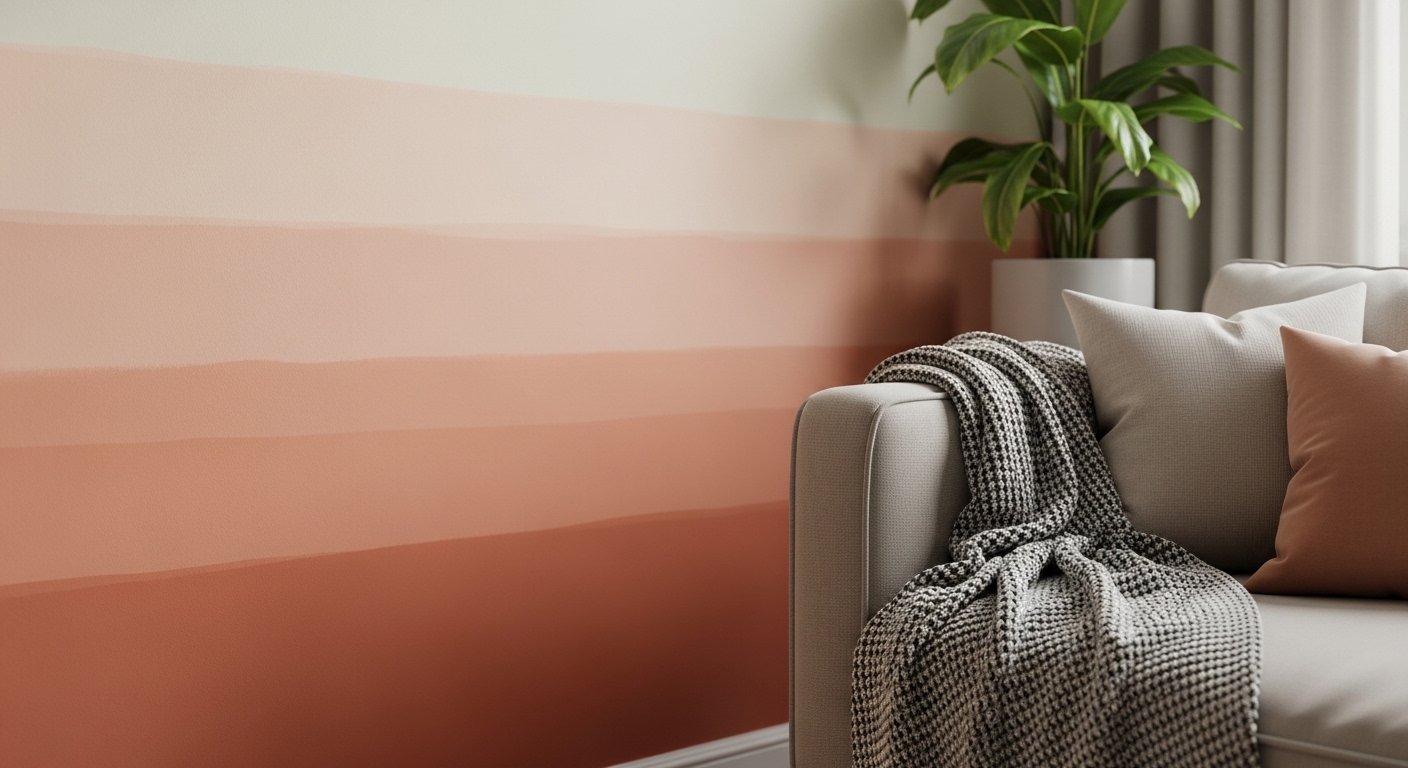
I used to avoid bold paint because I worried it would scream “done by a novice.” Over time I learned paint is the fastest mood-changer.
I’ve painted rooms I loved and ones I had to redo. Those re-dos taught me what actually works.
These ideas are things I’ve lived with. Simple, low-risk, and genuinely cozy.
25 Best Diy Painting Aesthetic That Are Stunning
These 25 ideas are real, tried, and practical. Each one is something I’ve used or fixed in my own home.
They’re quick to test and fit different styles. I included links for the supplies so you know exactly what to buy.
1. Soft Ombre Accent Wall for a Gentle Fade
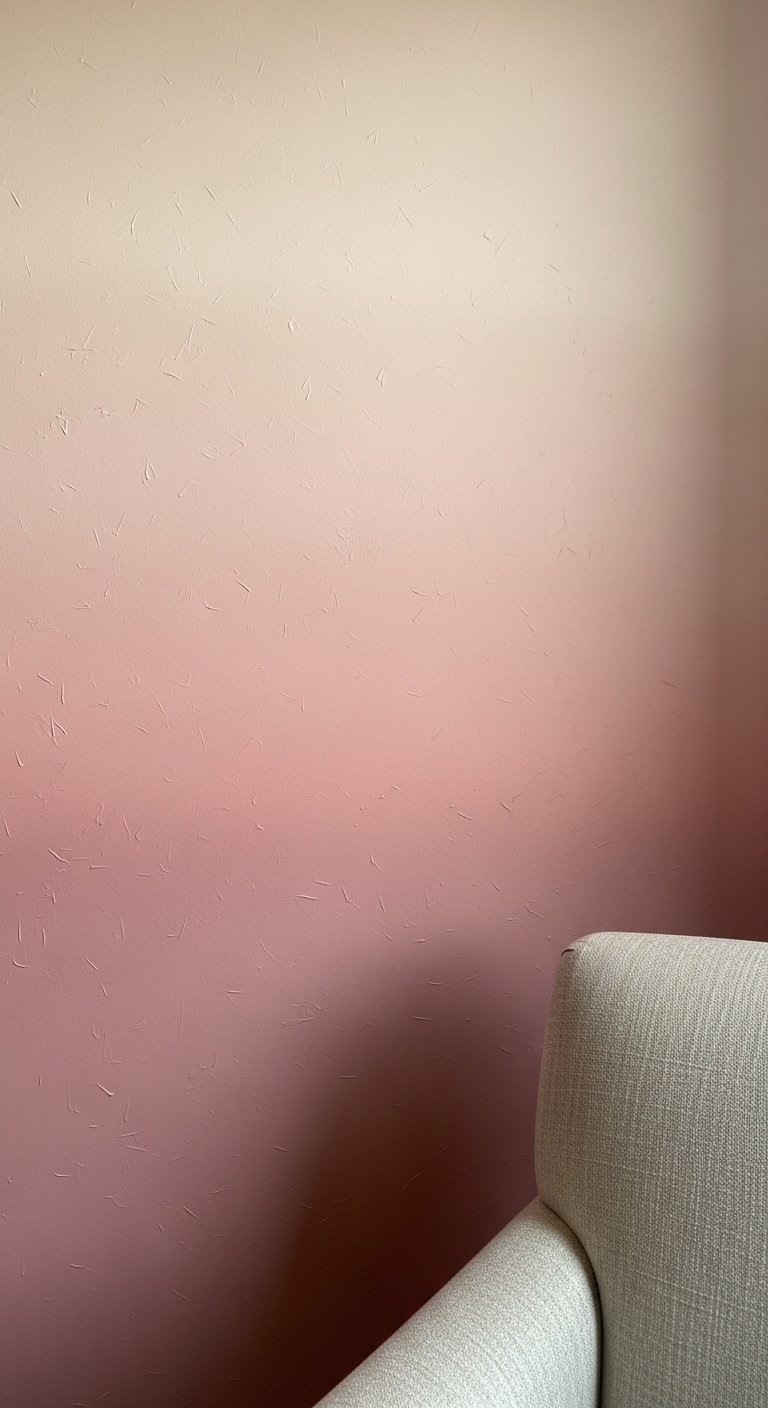
I painted an ombré in my bedroom and loved waking up to that soft gradient. I started with three shades and blended them with a wide brush and a damp sponge.
At first my lines were too harsh. I learned to work wet-on-wet and pull the paint vertically for a smoother fade.
It makes a wall feel intentional without being loud. Try small sections first.
What You’ll Need for This Look
2. Two-Tone Walls With a Calm Divider Line

I painted the lower half of my dining room a muted gray and the top a warm cream. The thin divider line grounded the room and hid scuffs.
My first divider wobbled because I used cheap tape. I switched to painter’s tape designed for sharp lines and pressed it down firmly.
This look makes rooms feel tailored and lived-in, not staged.
What You’ll Need for This Look
- Sharp-edge painter’s tape (1/2 inch)
- Eggshell finish interior paint
- Mini roller cover (smooth surfaces)
3. Painted Stair Risers That Tell a Story
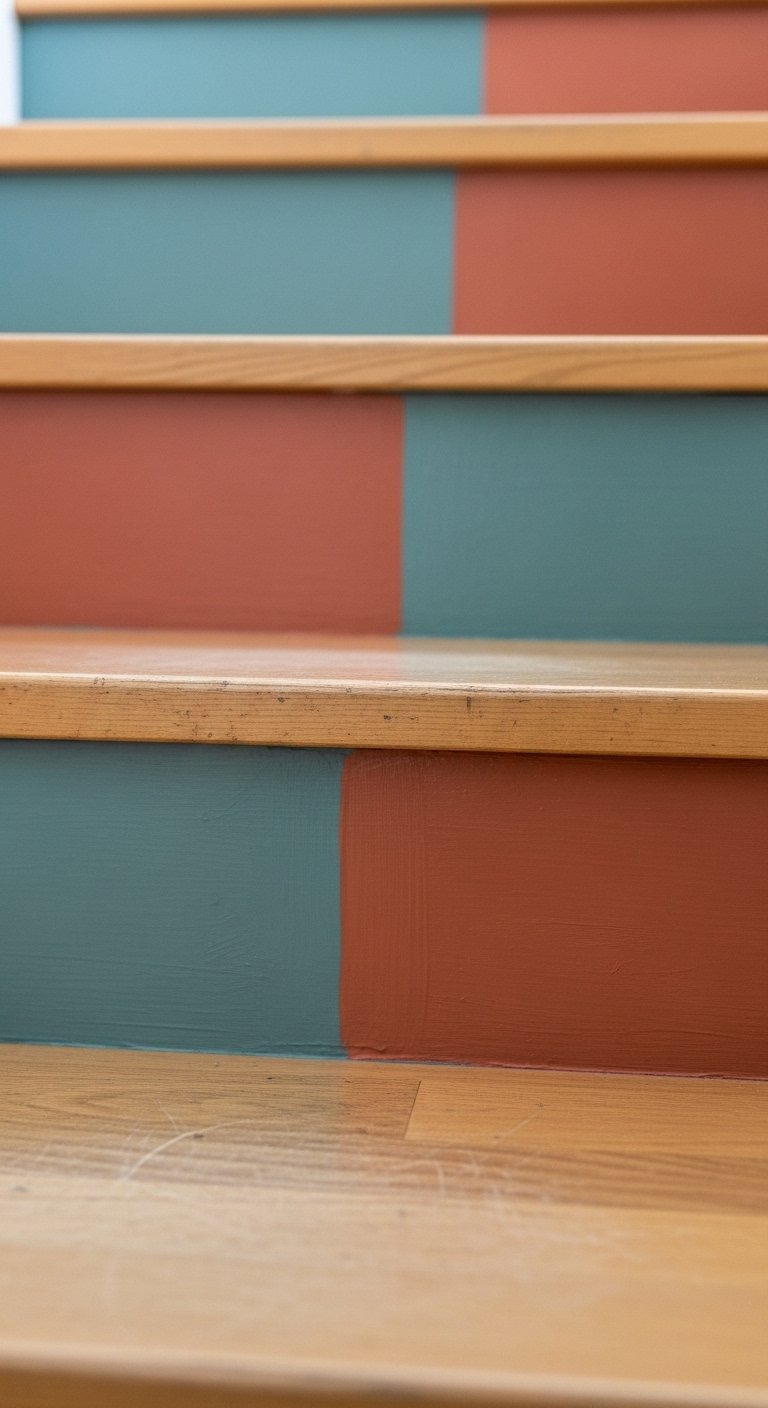
I painted my risers to add personality without changing flooring. Each step is a little scene; it made coming upstairs feel pleasant.
I underestimated prep—old paint flaked after a year. Sanding and primer fixed it. Do the prep.
Use durable paint suited for foot traffic and add a clear protective coat where people step.
What You’ll Need for This Look
4. Geometric Tape Patterns for Modern Walls
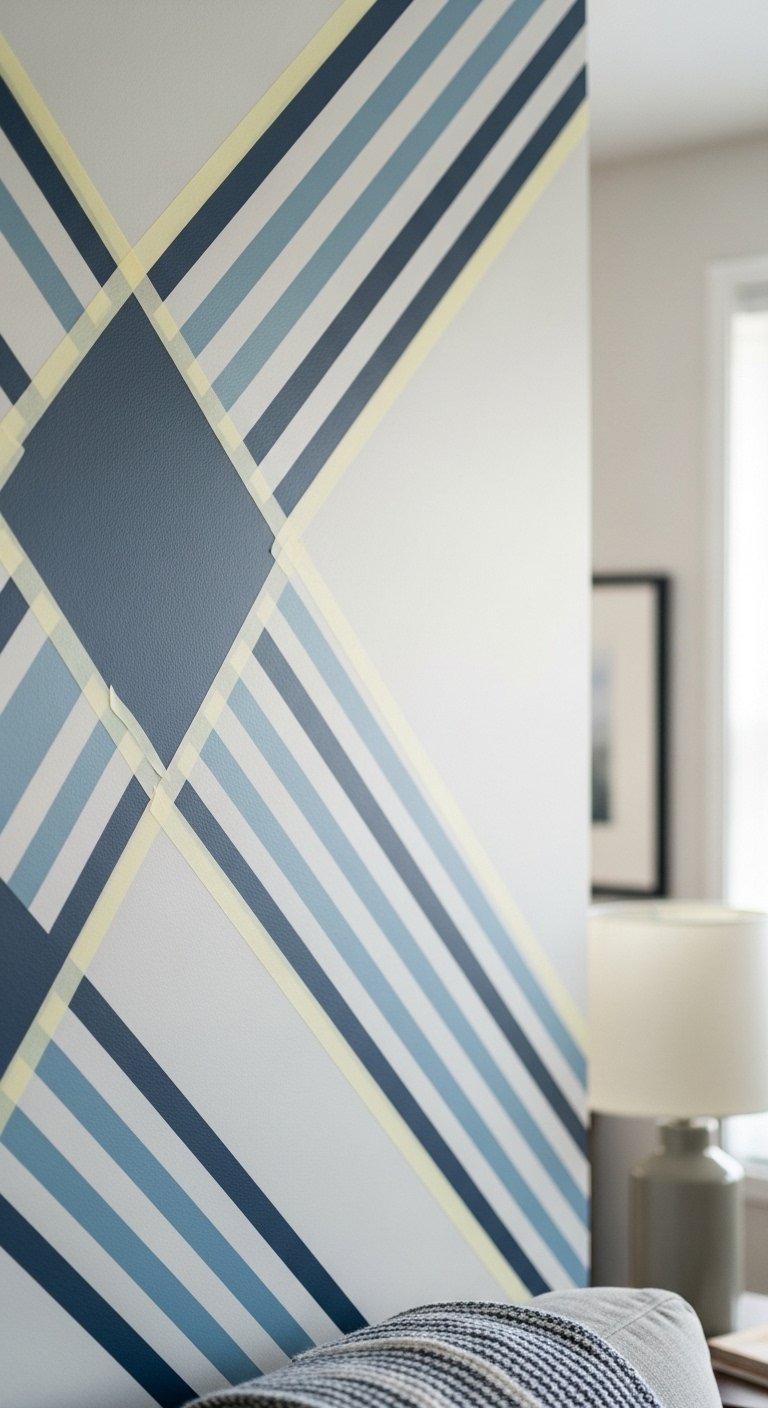
I used painter’s tape to make a geometric accent in the office. I loved the precision it gave without fancy tools.
Mistake: I painted over loosely pressed tape once and got bleed. Now I seal tape edges with the base color before adding the accent color.
It adds structure and a modern edge without committing to wallpaper.
What You’ll Need for This Look
5. Chalkboard Pantry Door — Functional and Homey
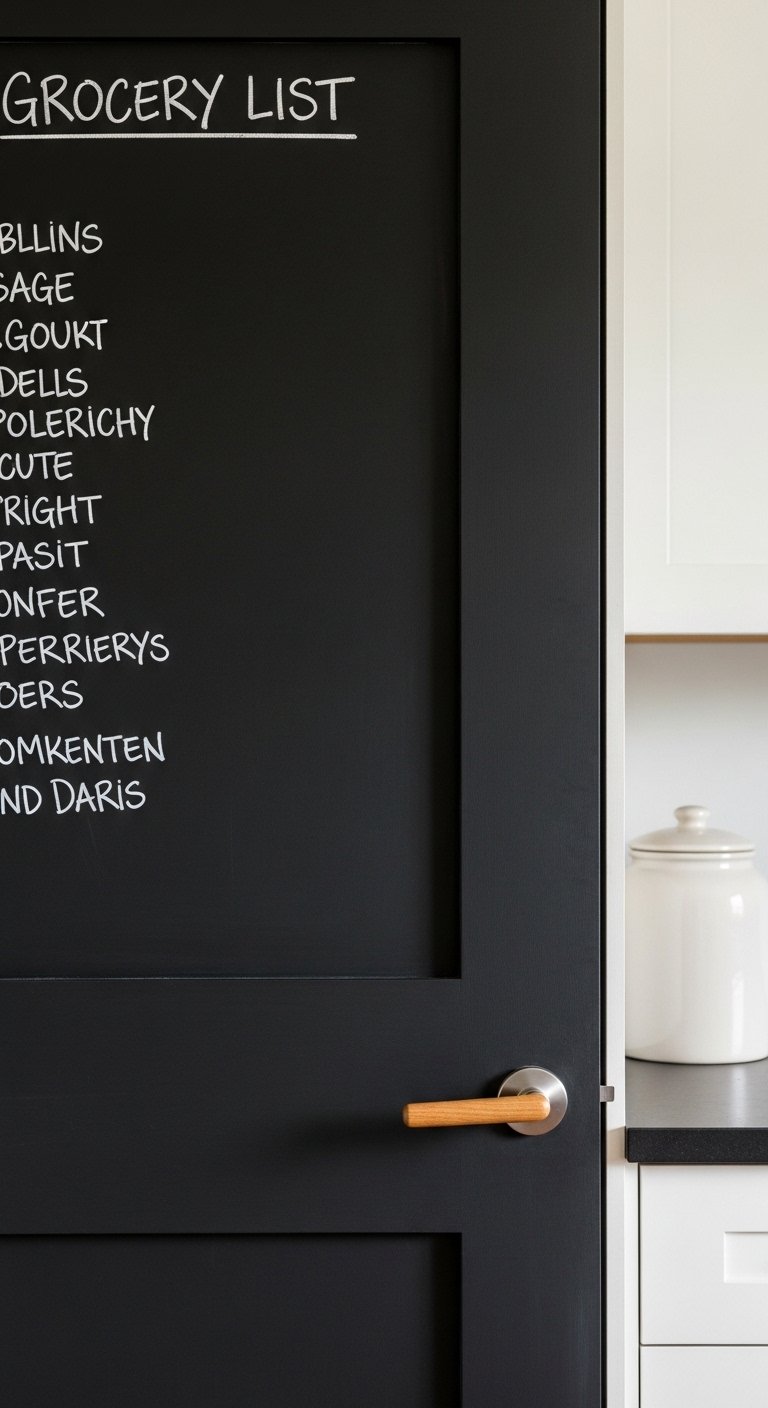
I painted the inside of my pantry door with chalkboard paint to jot lists and meal ideas. It made the kitchen feel practical and slightly nostalgic.
At first I used cheap chalk and it smeared. Real chalk markers wiped clean easier and look nicer.
This is an easy, low-cost change that I still use weekly.
What You’ll Need for This Look
6. Painted Floor Patterns for Subtle Drama
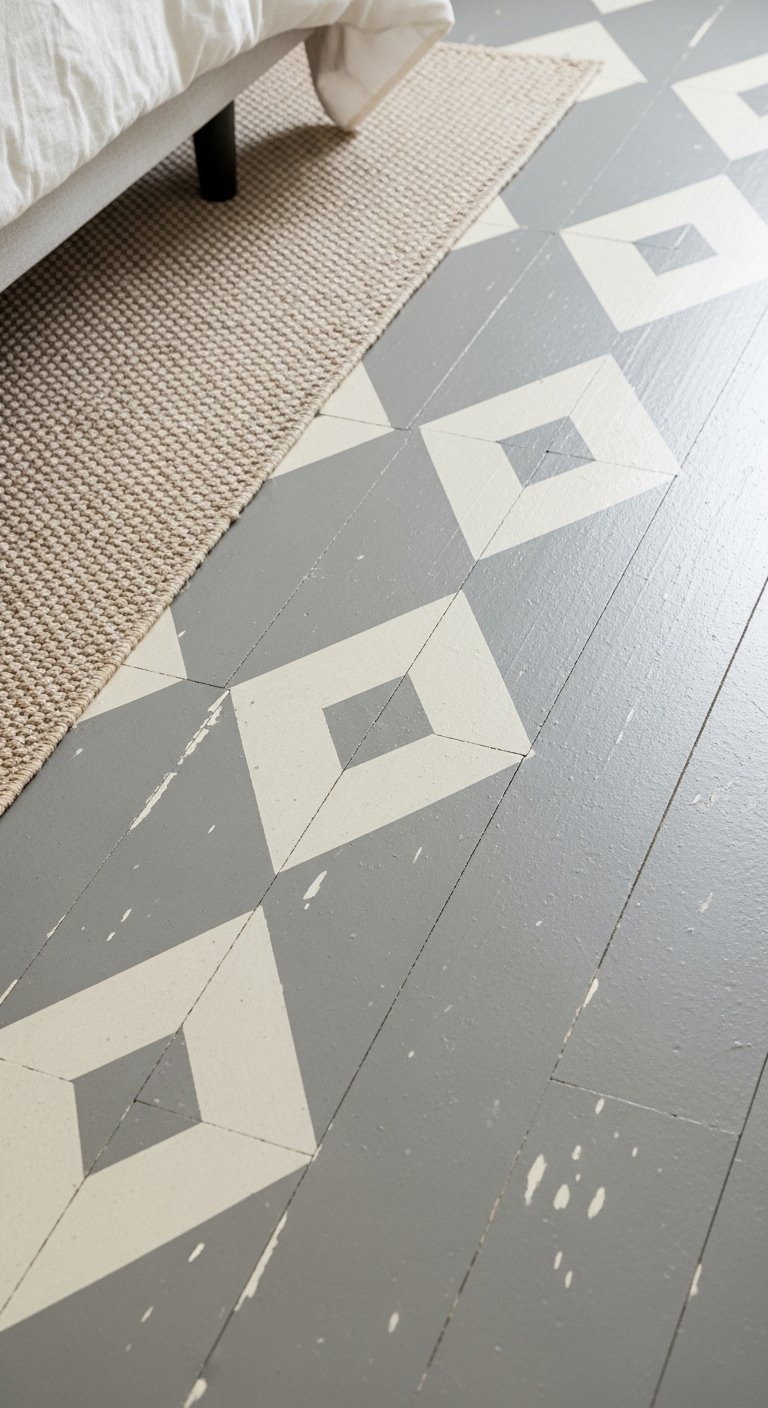
I painted a simple diamond border on my bedroom floor and it felt like custom tile. It’s an easy way to add pattern without replacing floors.
I didn’t seal it enough at first and it scuffed. A satin clear coat held up much better.
This gives rooms a vintage, crafted feel without heavy renovation.
What You’ll Need for This Look
7. Soft-Wash Scandinavian Walls for Light and Calm
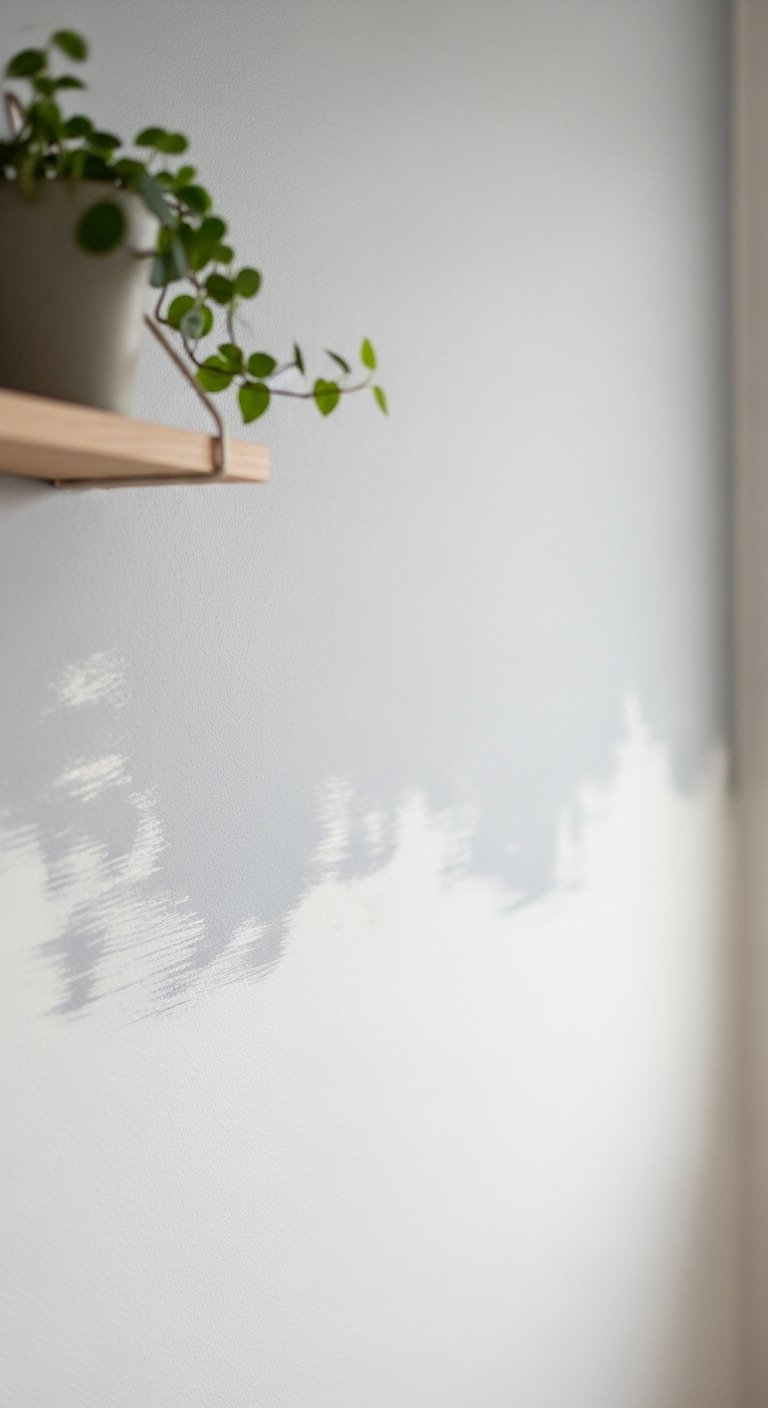
I thinned paint to do a soft wash in the living area to soften stark white walls. It added warmth while keeping the room airy.
Tip: Use a misting approach and wipe quickly; too much water pools and leaves streaks. I practiced on a scrap board first.
It’s low-commitment and very forgiving.
What You’ll Need for This Look
8. Stenciled Ceiling for Unexpected Interest
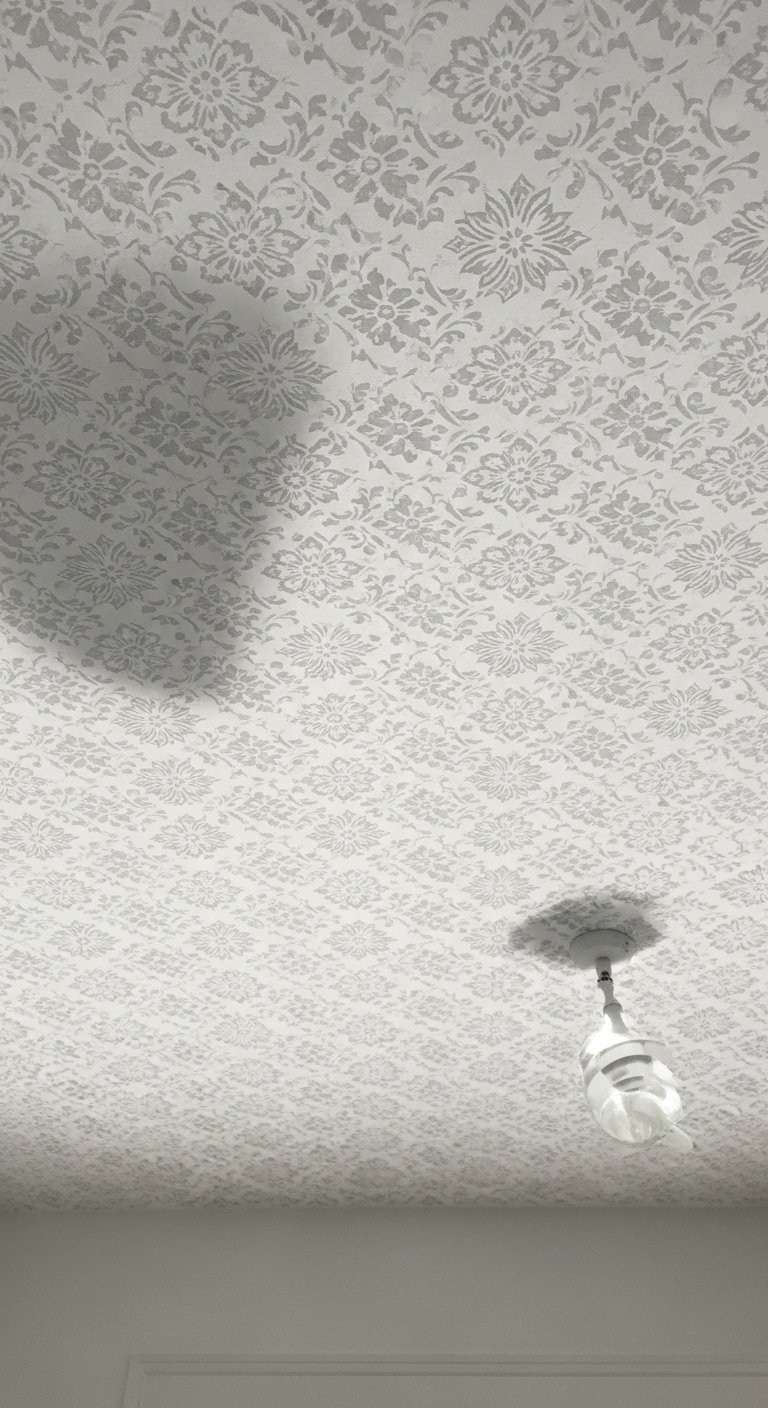
I stenciled the ceiling in my guest room—small scale and neutral tones. It made the room feel finished and surprising in a calm way.
I learned to use a light touch on the roller; heavy paint puddled and blurred the pattern. Patience matters.
A stenciled ceiling reads custom without the cost of wallpaper.
What You’ll Need for This Look
9. Painted Cabinets With Chalk Paint for a Cozy Kitchen
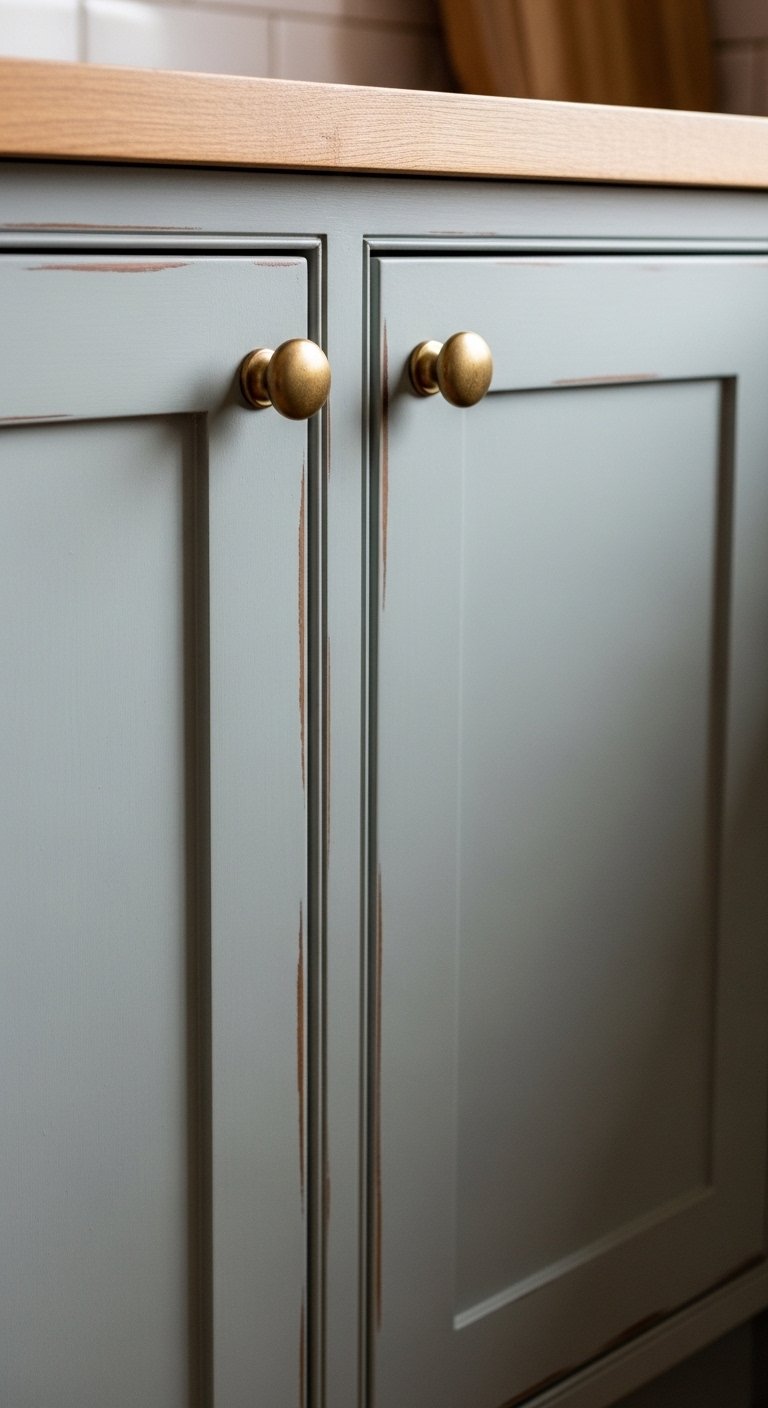
I updated old kitchen cabinets with chalk paint for a soft, matt finish. It made the kitchen cozier without sanding away years of use.
Mistake: I skipped wax and the finish scratched easily. Sealing with furniture wax or topcoat sealed the deal.
It’s a friendly way to get a new look on a budget.
What You’ll Need for This Look
10. Painterly Mural Using a Projector for Accuracy
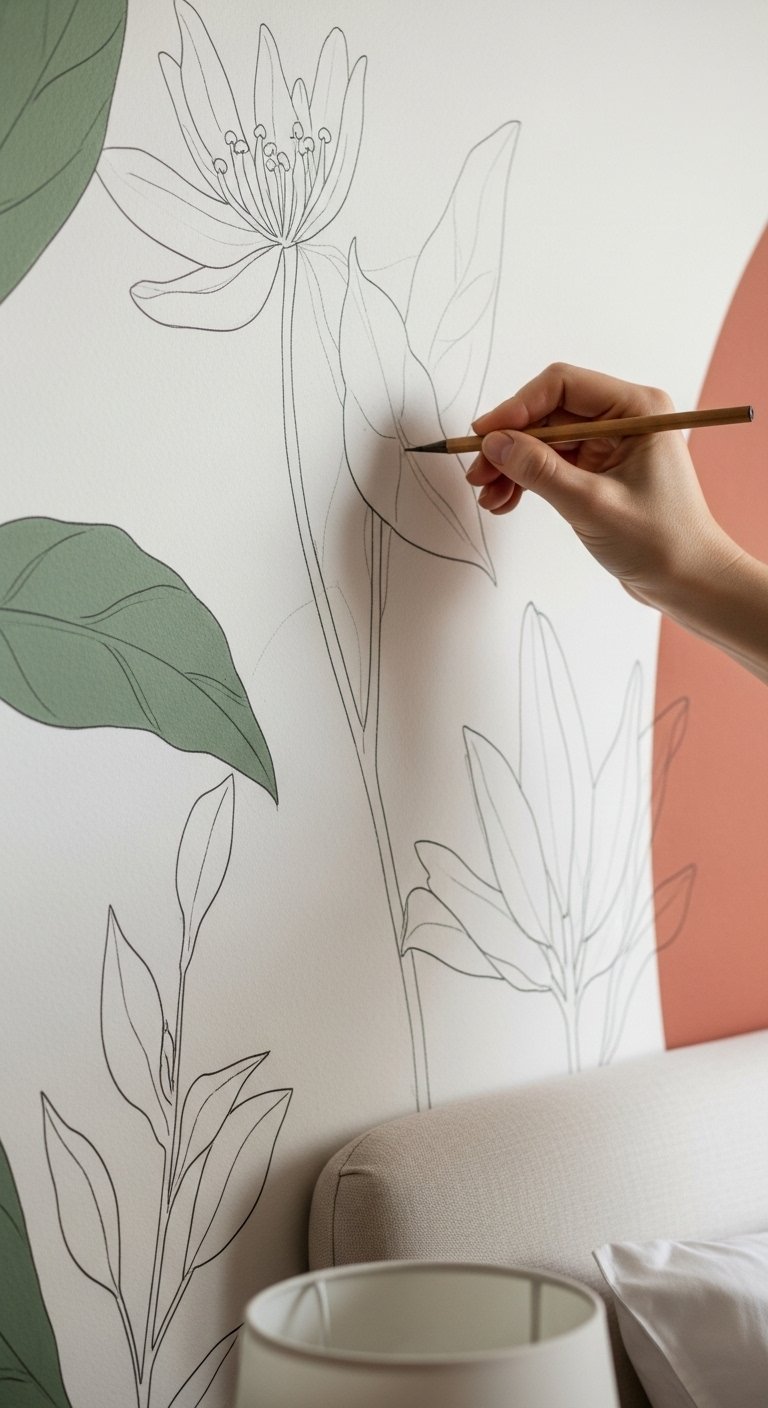
I traced a simple botanical mural with a projector, then painted freehand. The projector saved time and kept proportions right.
It felt risky, but small-scale motifs were forgiving. I patched a couple spots with a fine brush when lines wandered.
A projector is a hobbyist tool that makes DIY murals manageable.
What You’ll Need for This Look
11. Subtle Metallic Accent Panels for Warmth
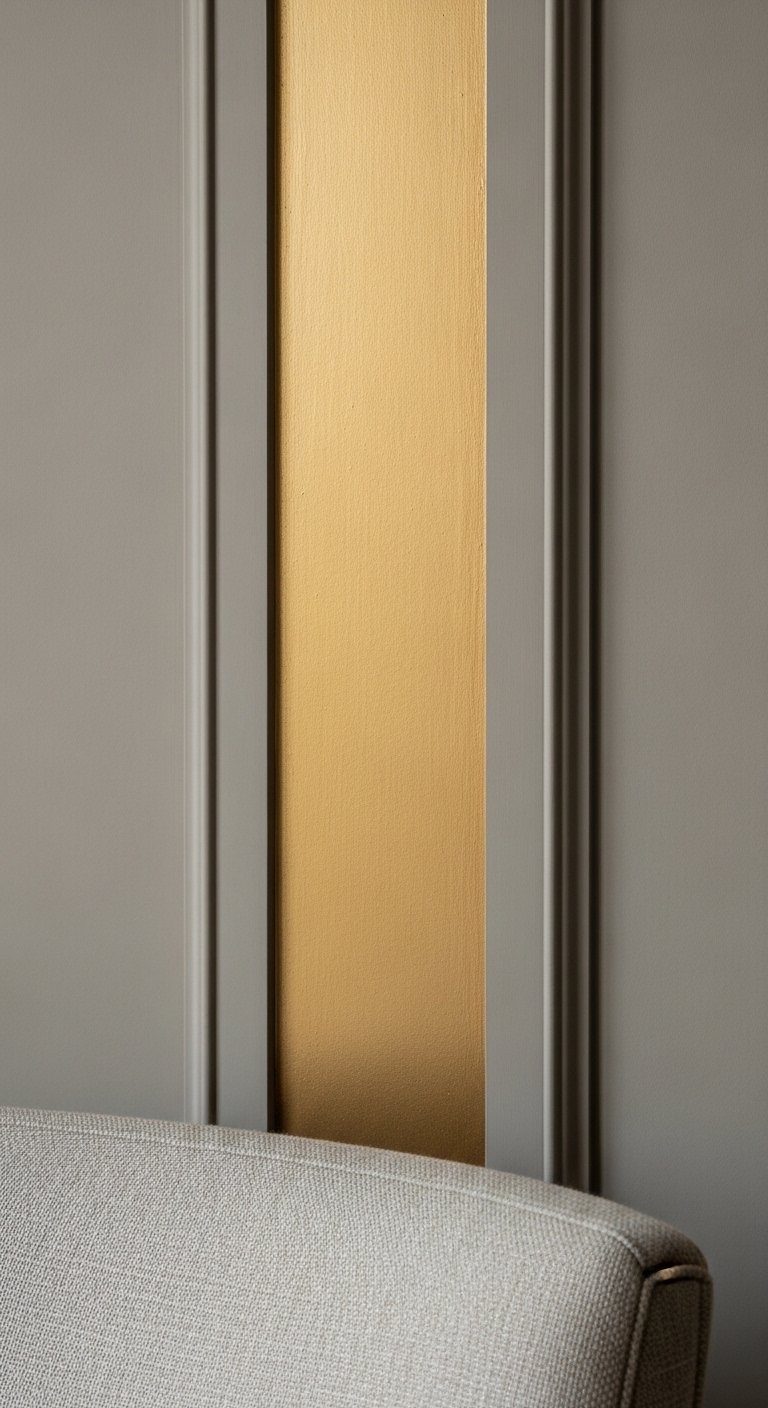
I added a narrow metallic panel behind a console to warm an entryway. It reflects light and reads like an artful detail without glitter.
Be careful: metallics show brush marks. I used a foam brush and light coats to keep it even.
It feels grown-up and cosy without shouting.
What You’ll Need for This Look
12. Painted Headboard Wall for a Built-In Feel
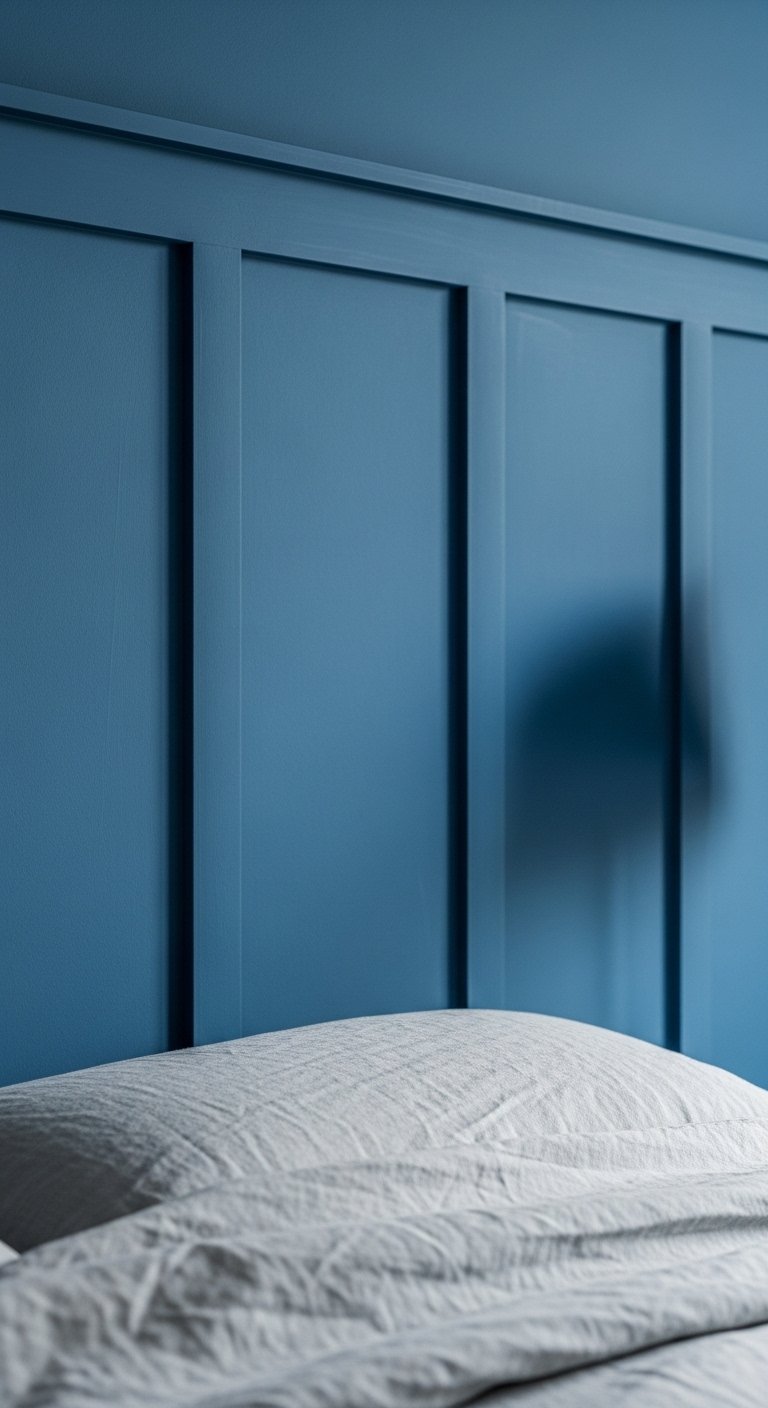
I painted the wall behind our bed a deep blue and added simple vertical lines to mimic paneling. It makes the bed feel anchored.
I once picked a color too dark and the room felt cave-like. Try samples in the evening and morning light.
This is a straightforward way to create a headboard without carpentry.
What You’ll Need for This Look
13. Sunburst Accent Behind a Mirror for Vintage Appeal
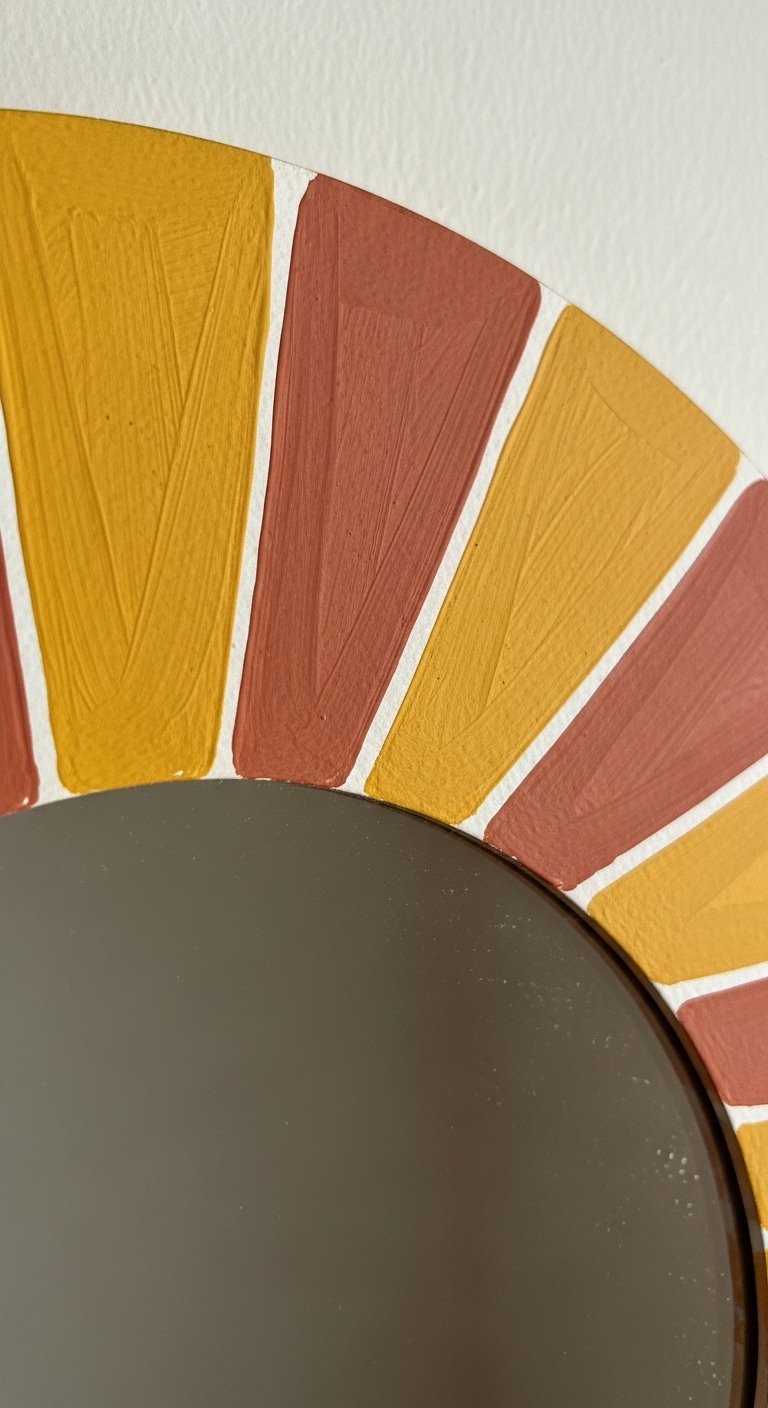
I painted a sunburst behind a mirror in our hallway. It’s graphic and tiny, but packs personality.
The first version had uneven rays. I sketched them lightly and used a straight edge for cleaner lines.
It’s a compact way to add vintage energy without overdoing color.
What You’ll Need for This Look
14. Rag-Rolled Texture for Subtle Depth
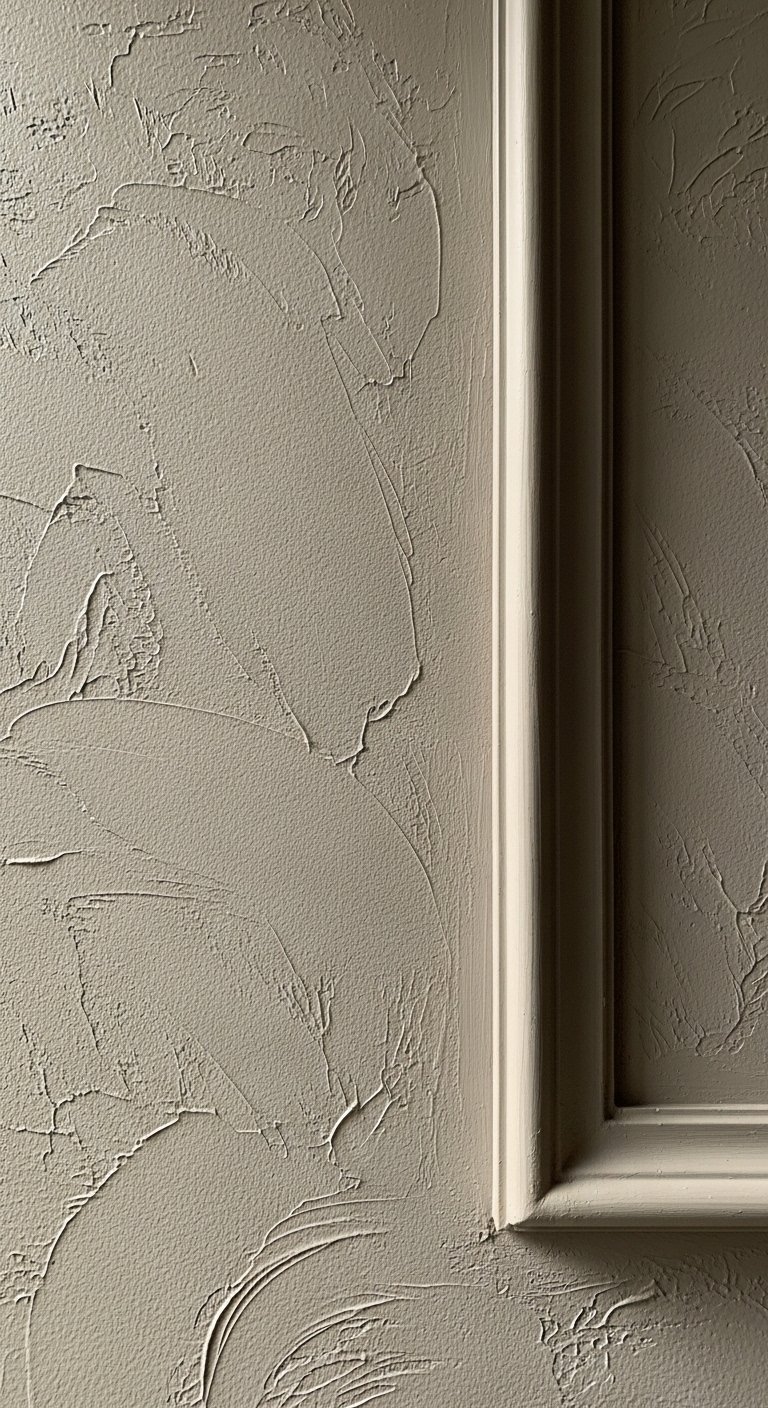
I rag-rolled a small hallway to bring depth to otherwise flat paint. It feels textured and quiet—like a fabric wall.
I used too much glaze at first and it dripped. Wring the rag well and dab lightly.
It’s forgiving and looks handmade, even if you’re not an expert.
What You’ll Need for This Look
15. Painted Archway Accent to Frame a Nook
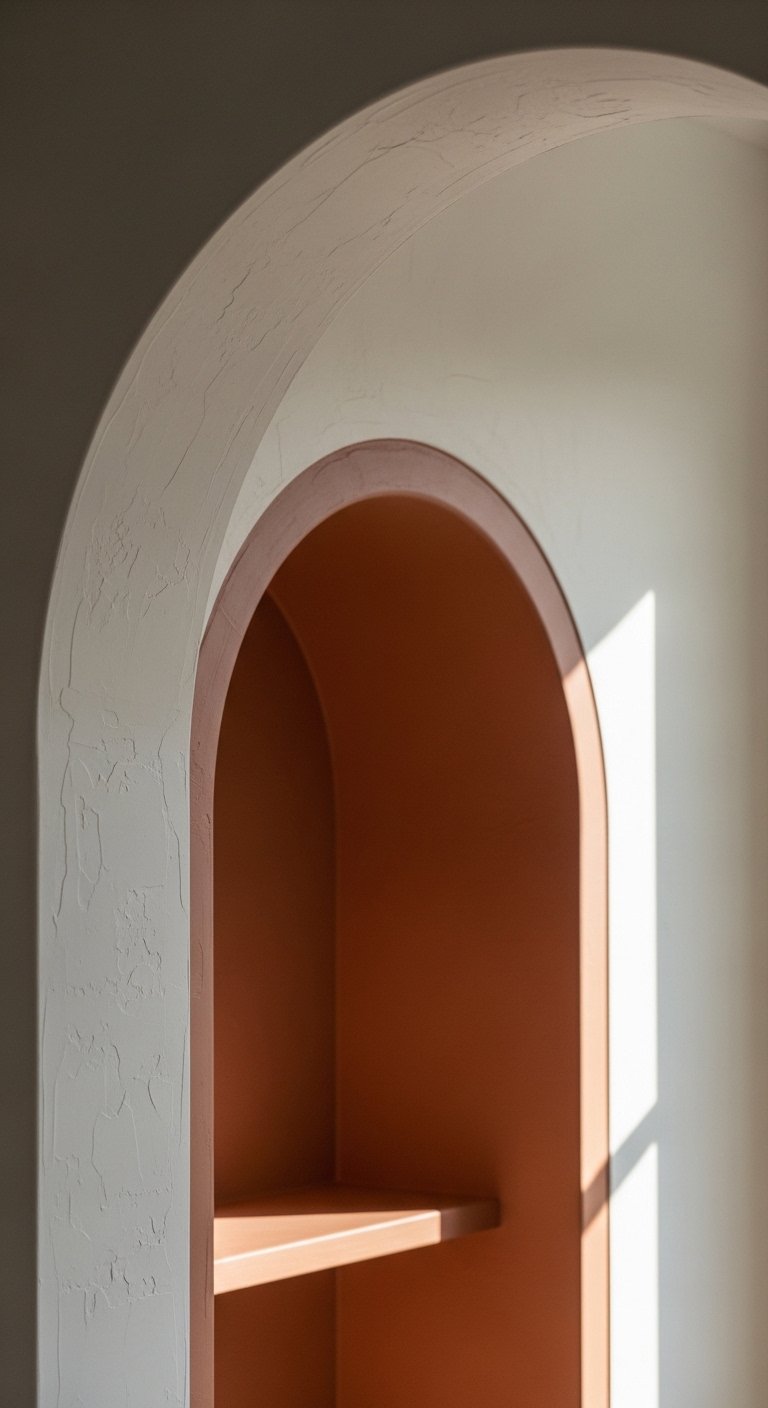
I painted the inside of an archway a warm terracotta. It made the small reading nook feel separate and inviting.
I misjudged scale once and chose a color too intense for the small arch. Smaller swatches saved me later.
This trick makes architectural details feel intentional.
What You’ll Need for This Look
16. Painted Built-In Shelves for a Cohesive Look
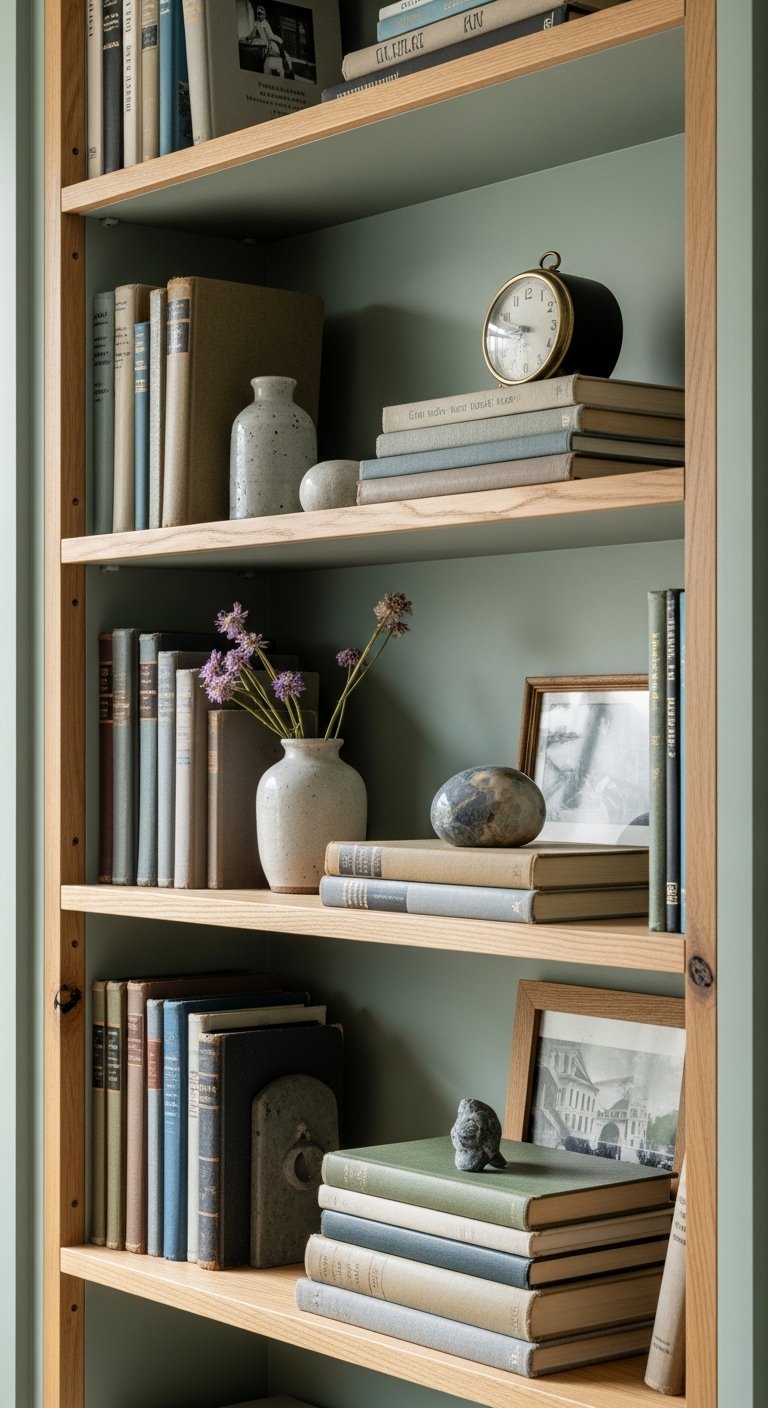
I painted built-ins the same color as the wall for a seamless, calm effect. It makes shelves feel like part of the room rather than an afterthought.
I once painted without removing items and nicked ceramics. Empty the shelves and label where things go.
It makes styling easier because the backdrop is unified and forgiving.
What You’ll Need for This Look
17. Moroccan-Inspired Pattern for Global Texture
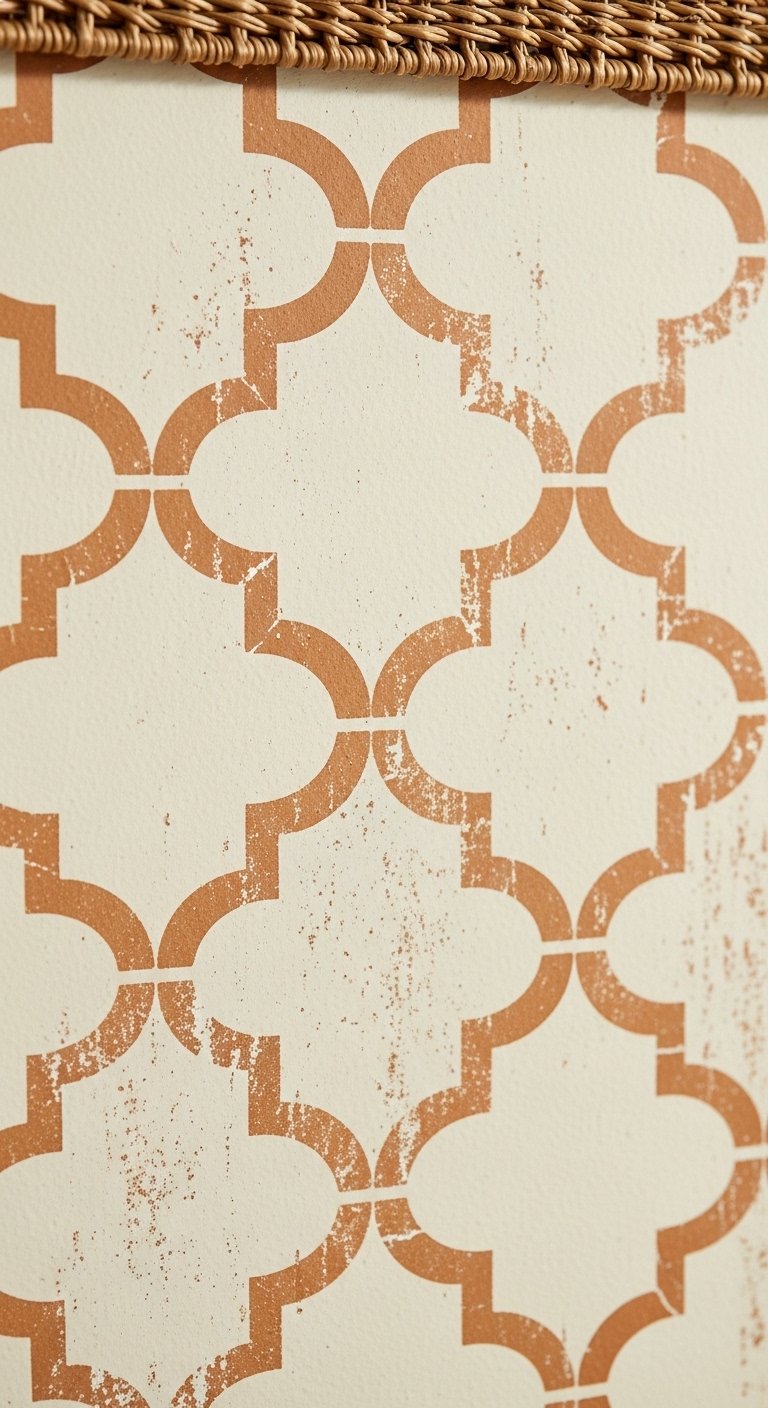
I used a Moroccan stencil in the guest room with toned-down clay and cream. It felt global without feeling busy.
At first the stencil slipped. I used repositionable adhesive spray to keep it flat.
It gives rooms pattern and interest while staying neutral.
What You’ll Need for This Look
18. Painted Brick Refresh for an Urban Cozy Feel
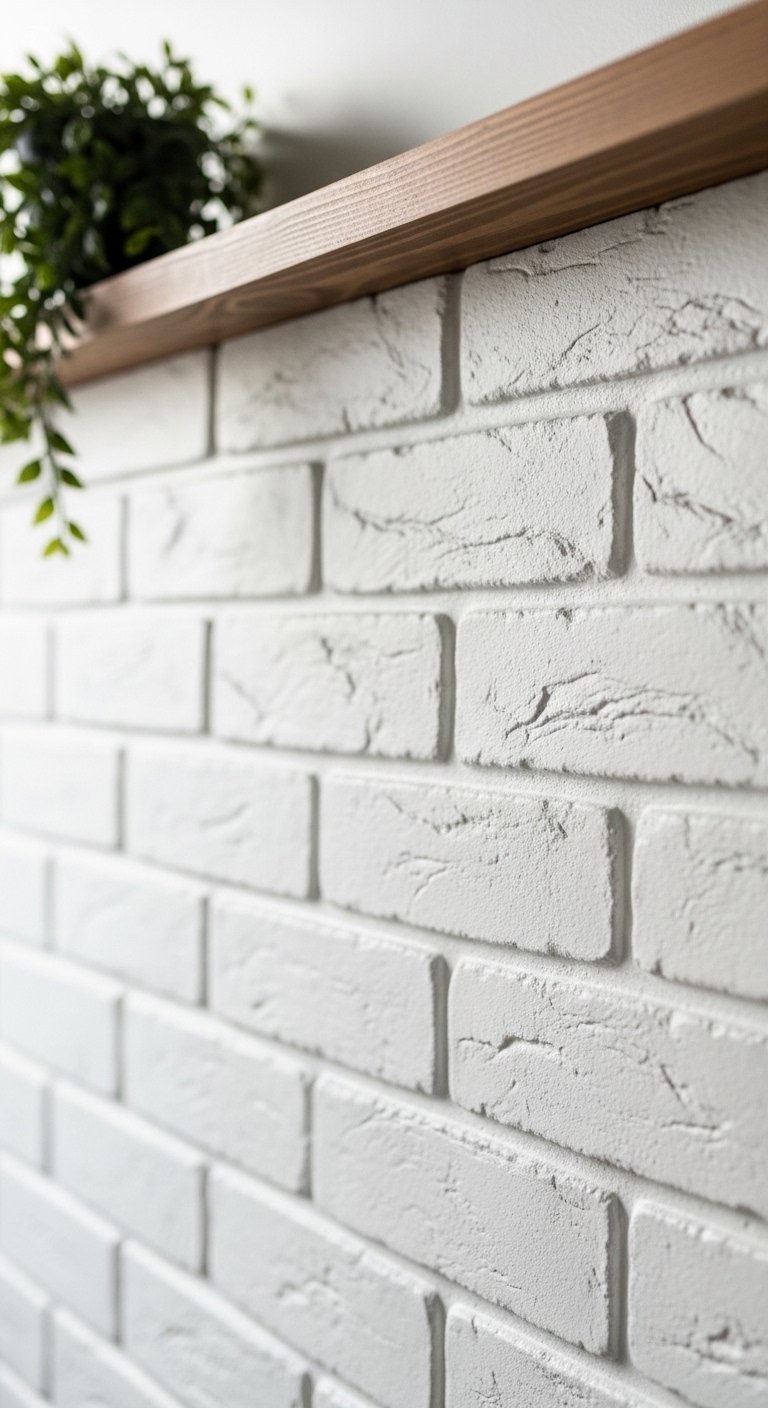
I whitewashed an indoor brick wall to soften the industrial look. It brightened the room but still showed texture.
I learned to dilute paint heavily for a true wash effect. Thick coats covered the character.
It’s a halfway house between raw and refined—very lived-in.
What You’ll Need for This Look
19. Minimalist Matte Black Trim for Modern Edges
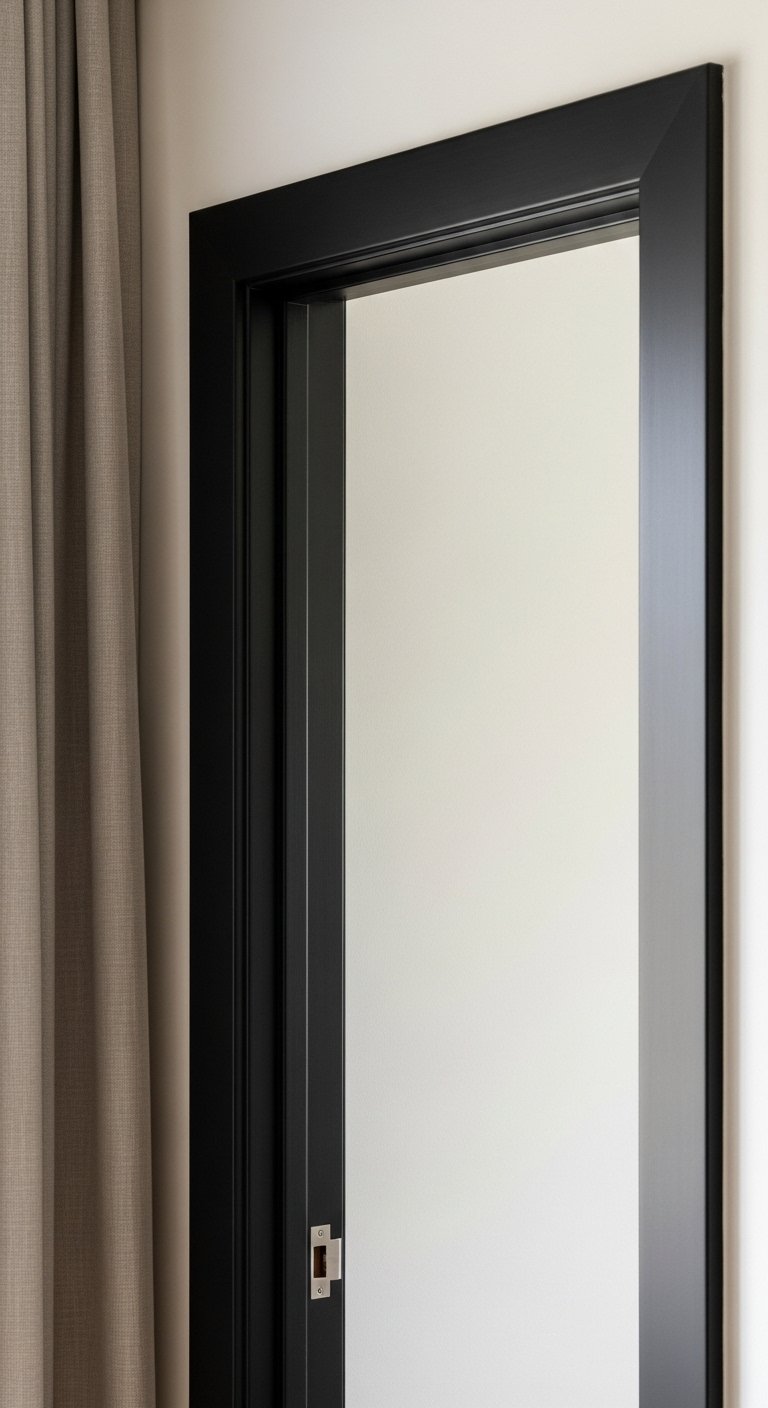
I painted interior trim matte black for contrast and it sharpened the whole space. It reads modern but cozy.
Warning: black shows dust and scuffs. I chose an easy-to-wipe matte enamel and keep a small touch-up kit nearby.
Minimal but decisive, and surprisingly inviting.
What You’ll Need for This Look
20. Soft Pastel Block for a Playful Corner
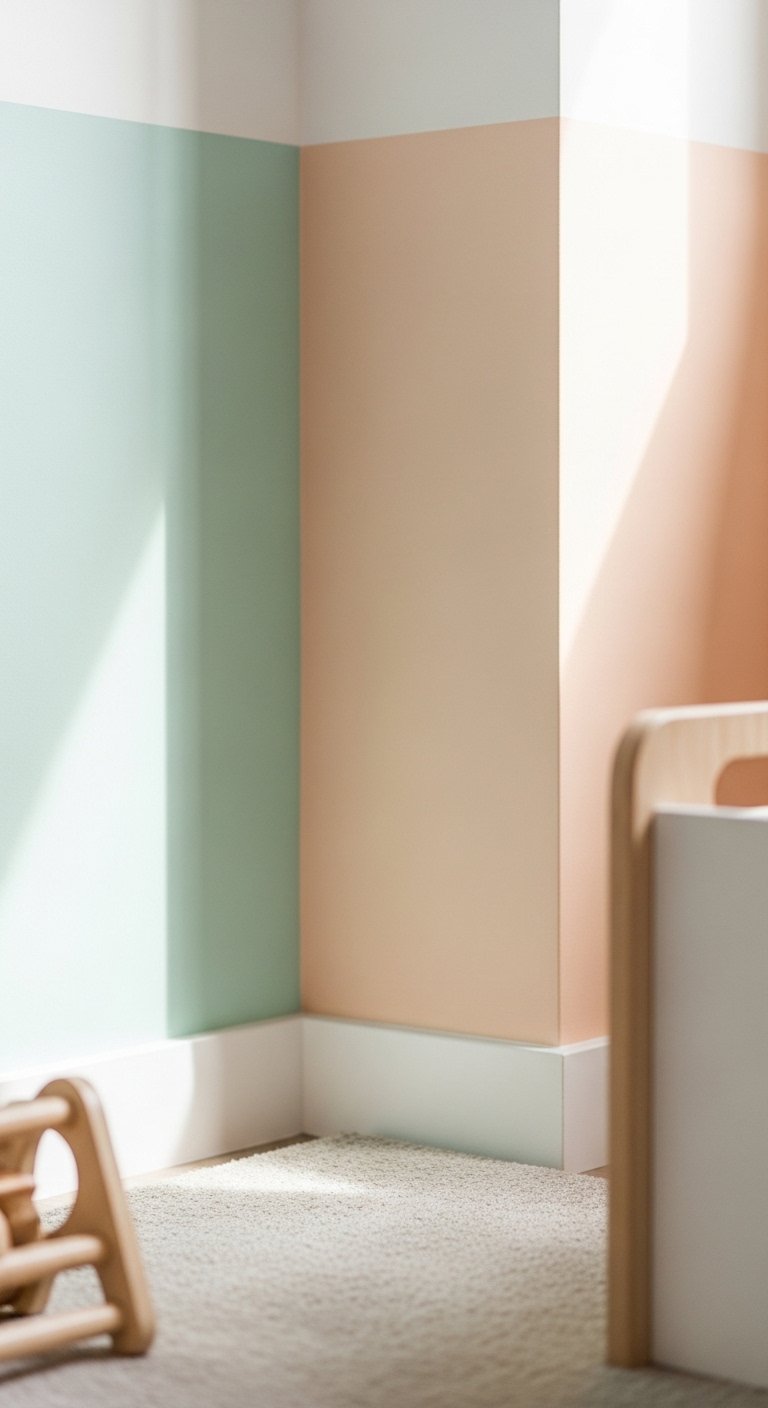
I color-blocked a kid’s corner with pastels. It felt cheerful and easy to update as tastes changed.
I initially used too many colors and it read chaotic. Two tones and a tidy divider line fixed that.
It’s playful without being juvenile.
What You’ll Need for This Look
21. Soft Gradient on Furniture for Subtle Interest
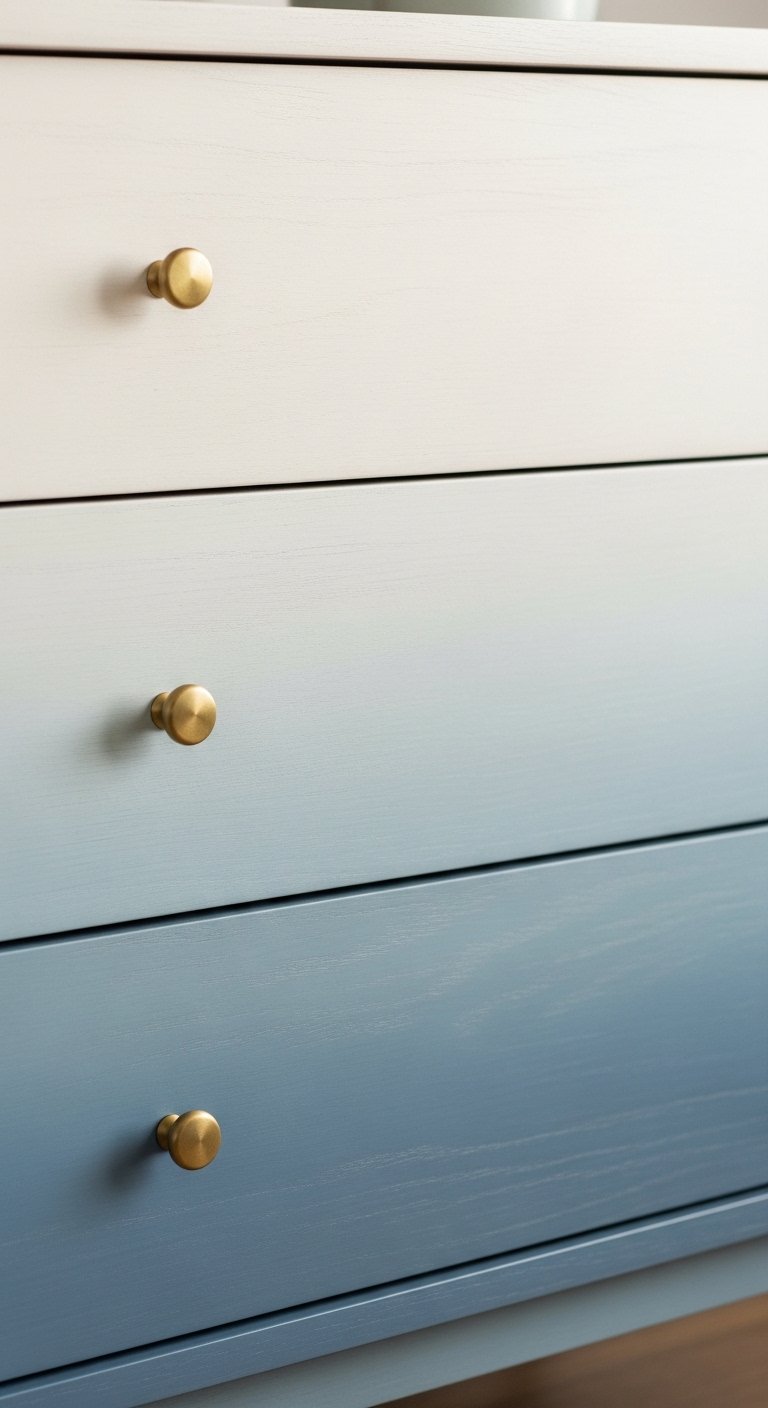
I painted a dresser with a subtle gradient across drawers. It felt refined and a little unexpected in my bedroom.
A mistake: I didn’t sand enough and the finish peeled at the edges. Proper prep matters on furniture.
It’s a wearable way to add color without overpowering the room.
What You’ll Need for This Look
22. Tropical Leaf Mural for an Indoor Vacation
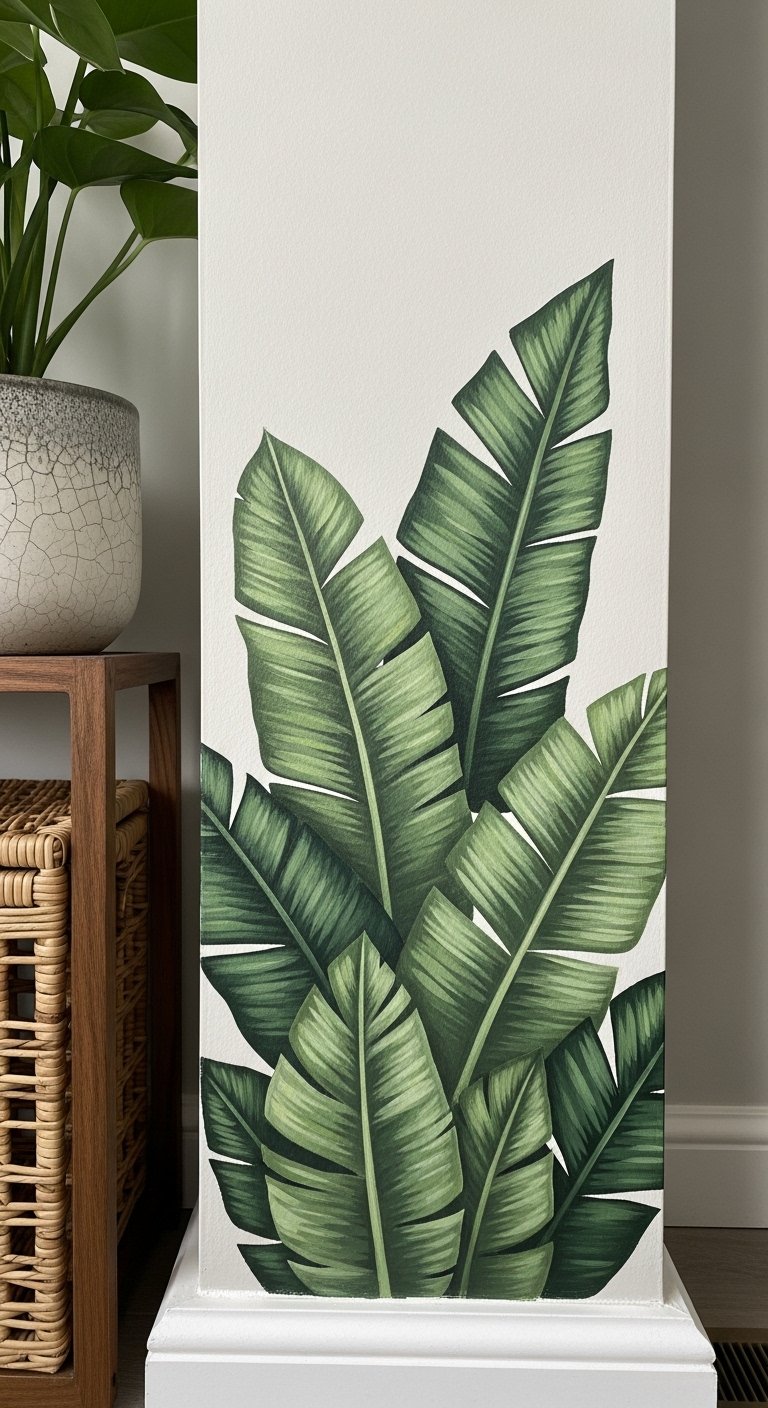
I painted a small tropical leaf mural by the window to inject a summery mood. It’s graphic but still calm in muted greens.
I sketched first and kept the palette limited. That stopped it from feeling kitschy.
It brightens a corner and pairs well with real plants.
What You’ll Need for This Look
23. Painterly Clouds for a Kid-Friendly Ceiling
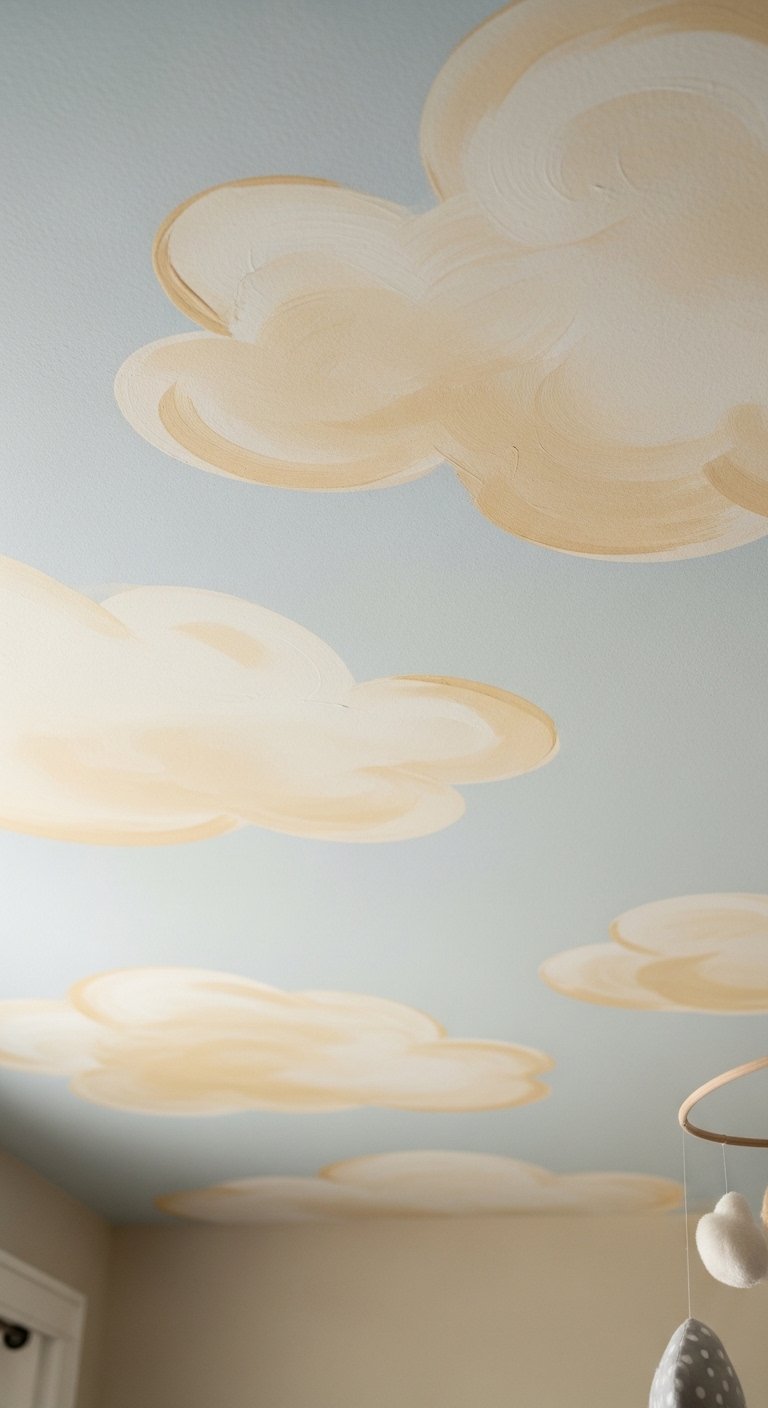
I painted soft clouds in my daughter’s nursery ceiling. It’s gentle and dreamy—nothing precise, just soft shapes.
I used a light hand and blended edges with a dry brush. Overworking made edges muddy.
This is playful and stays peaceful as kids grow.
What You’ll Need for This Look
24. Accent Door in Rich Jewel Tone for a Statement
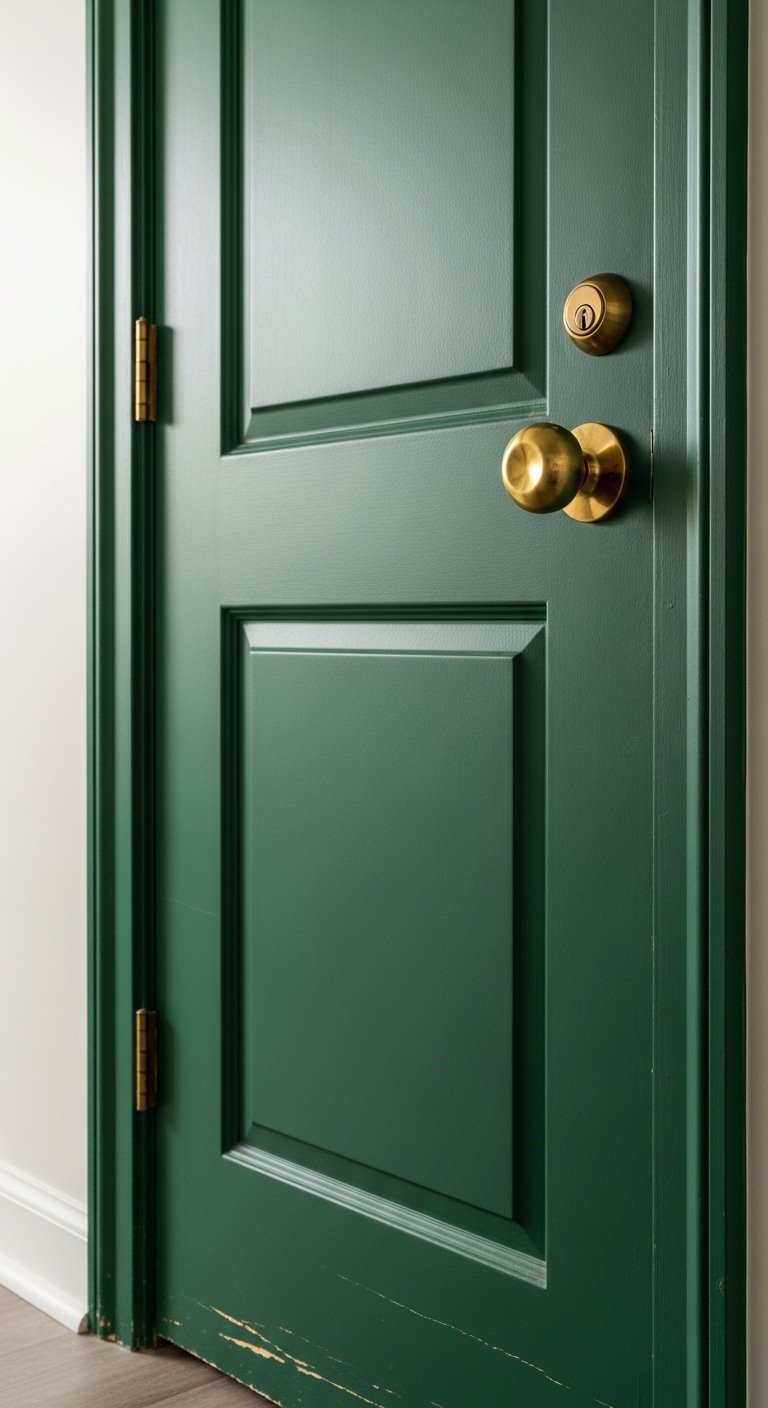
I painted our entry door a jewel emerald. It’s bold but welcoming, and it grounded our hallway palette.
I didn’t sand the old gloss paint enough once and the new coat flaked. Proper sanding plus primer fixed it.
It’s an easy way to add character without redecorating the whole room.
What You’ll Need for This Look
25. Faded Mediterranean Wash for Warmth and Texture
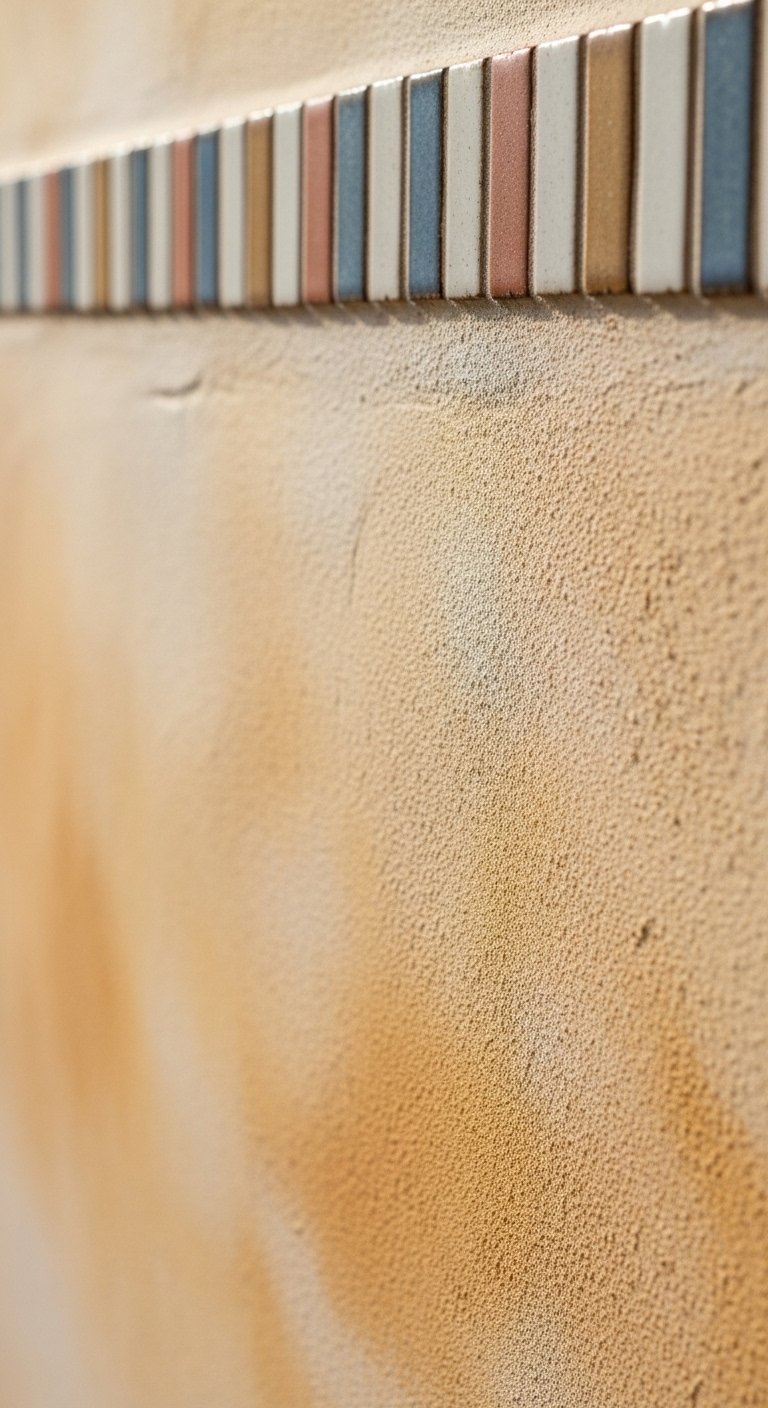
I used a limewash-style technique in a sunroom to introduce warmth and texture. It reads like old plaster and softens light.
I tested different dilutions. Too thin or thick changed the effect drastically, so practice is important.
It’s a lived-in look that pairs well with natural textiles and plants.
What You’ll Need for This Look
Final Thoughts
Painting is the fastest way I changed the mood of a room. Small experiments taught me more than big projects did.
You don’t need to do all 25. Pick one idea, try it, and live with it for a month.
I promise the right paint and a little patience go a long way.