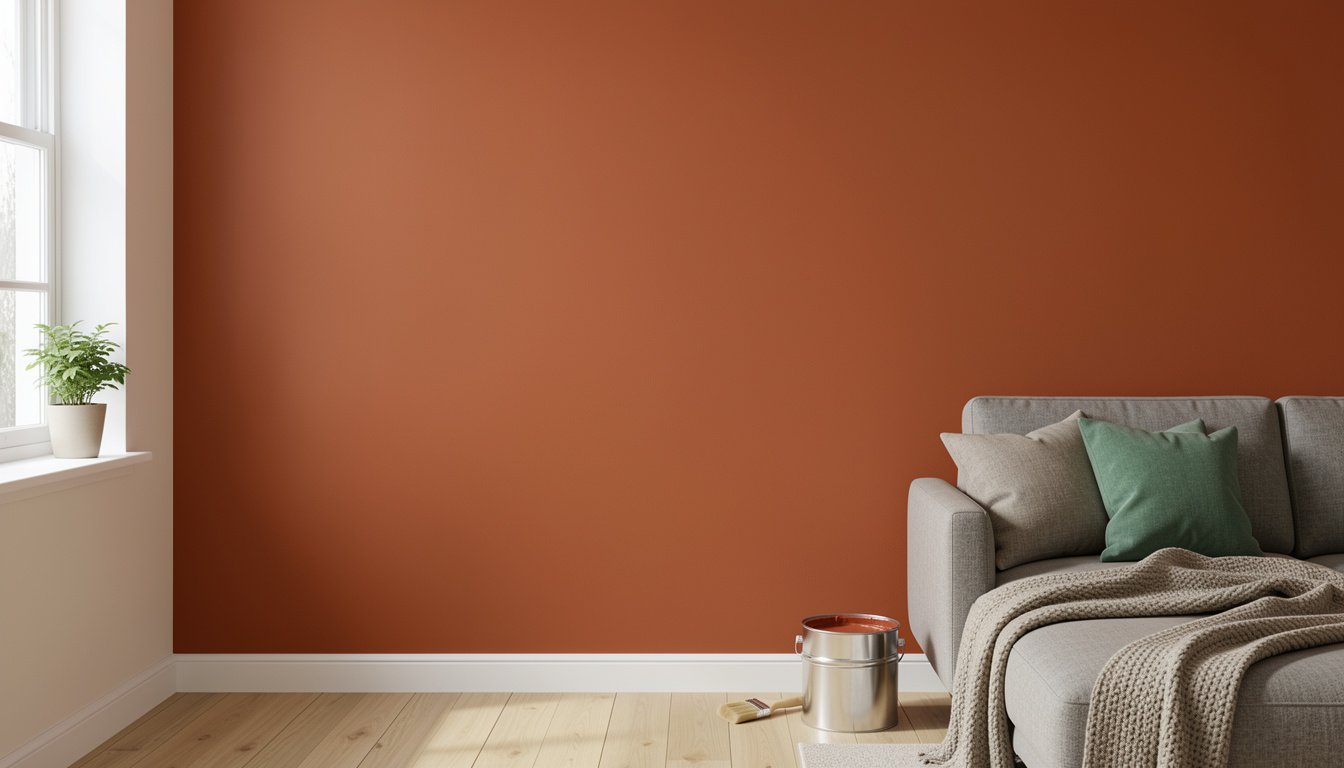
Okay, friend, if you’ve been staring at the same tiny wall for months, small home painting can feel like the easiest way to make your place feel new without breaking the bank. It’s amazing how a single color choice can shift a room’s mood and make a small space feel like it finally belongs to you.
I put this list together because I love quick, joyful projects that actually change everyday life – I’ve painted a handful of small walls and learned the tricks the hard way. I mixed sneaky neutrals with bold accents and yes, I made a few mistakes so you don’t have to.
Read on and I’ll walk you through 20 fun ideas, the vibes they create, and how to pick the right finish so your small home painting project actually feels like you did something worthwhile.
These 20 Small Home Painting Ideas Will Spark Your Space
Blue Bathroom Drama
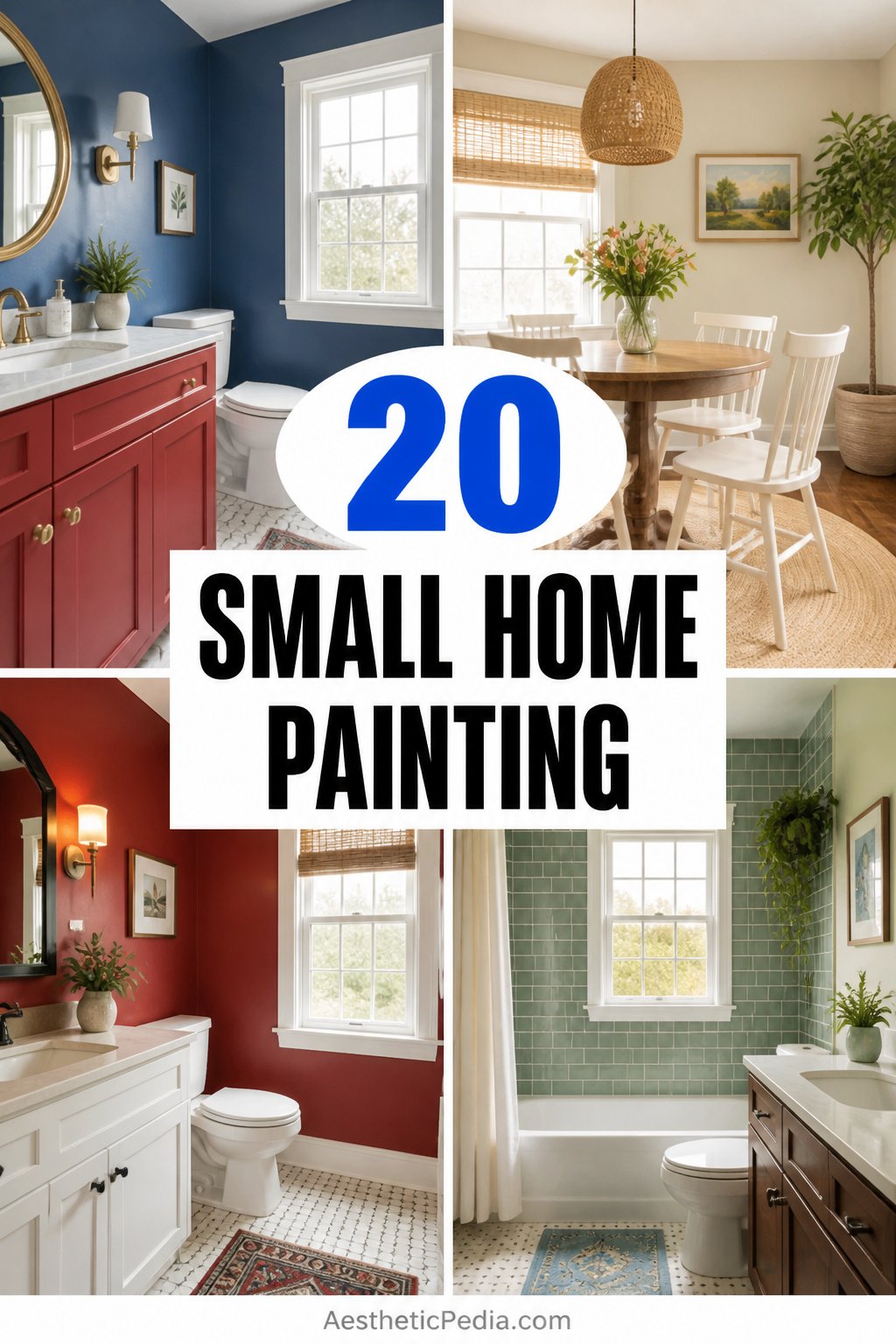
Painting a bathroom in a saturated blue and pairing it with contrasting red cabinets is bold but so rewarding when done in a small home – the color draws the eye and hides imperfections better than pale shades. I love how blue reads like a statement without overwhelming compact bathrooms, especially when you keep fixtures simple and white for balance. Consider a satin finish for walls to handle humidity and still look chic.
Sunny Dining Nook
A fresh coat around a tiny dining table instantly feels like hospitality even if it’s just you and a mug of tea – I once painted my own little breakfast corner and it honestly made me linger there longer each morning. Choose a warm off-white or soft butter tone so your white chairs pop and flowers look like an everyday luxury. Keep the paint low-sheen so fingerprints and scuffs are easier to clean in a small, used space.
Red-Rich Accent Bath
There’s something unapologetic and cozy about painting a tiny bathroom red while leaving the fixtures white – it reads modern and retro at once depending on accessories. When I did a small red wall years ago, friends gasped the first time they saw it and then asked for paint advice after, which felt like bragging rights. Use this in tight bathrooms where a dramatic color makes the room feel intentionally designed, not cramped.
Classic White Refresh
Sometimes the best move is fresh white paint on a small bathroom to bounce light and simplify the space – it’s the reset button before you experiment with accents. White works wonders with plants, natural wood, and a statement mirror, and it allows you to switch up textiles seasonally without repainting. Pick a warm white to avoid a hospital feel and go for eggshell so the light reflects gently.
Mirror-Framed Vanity Pop
Painting the wall behind a sink and mirror a complementary tone makes a tiny vanity area feel intentional and like a boutique hotel nook. I always keep a small towel or accessory color in the same family to make the whole look cohesive without extra clutter. This trick works especially well when you have little square footage to spare but want a high-design effect.
Round Mirror Accent Rug Combo
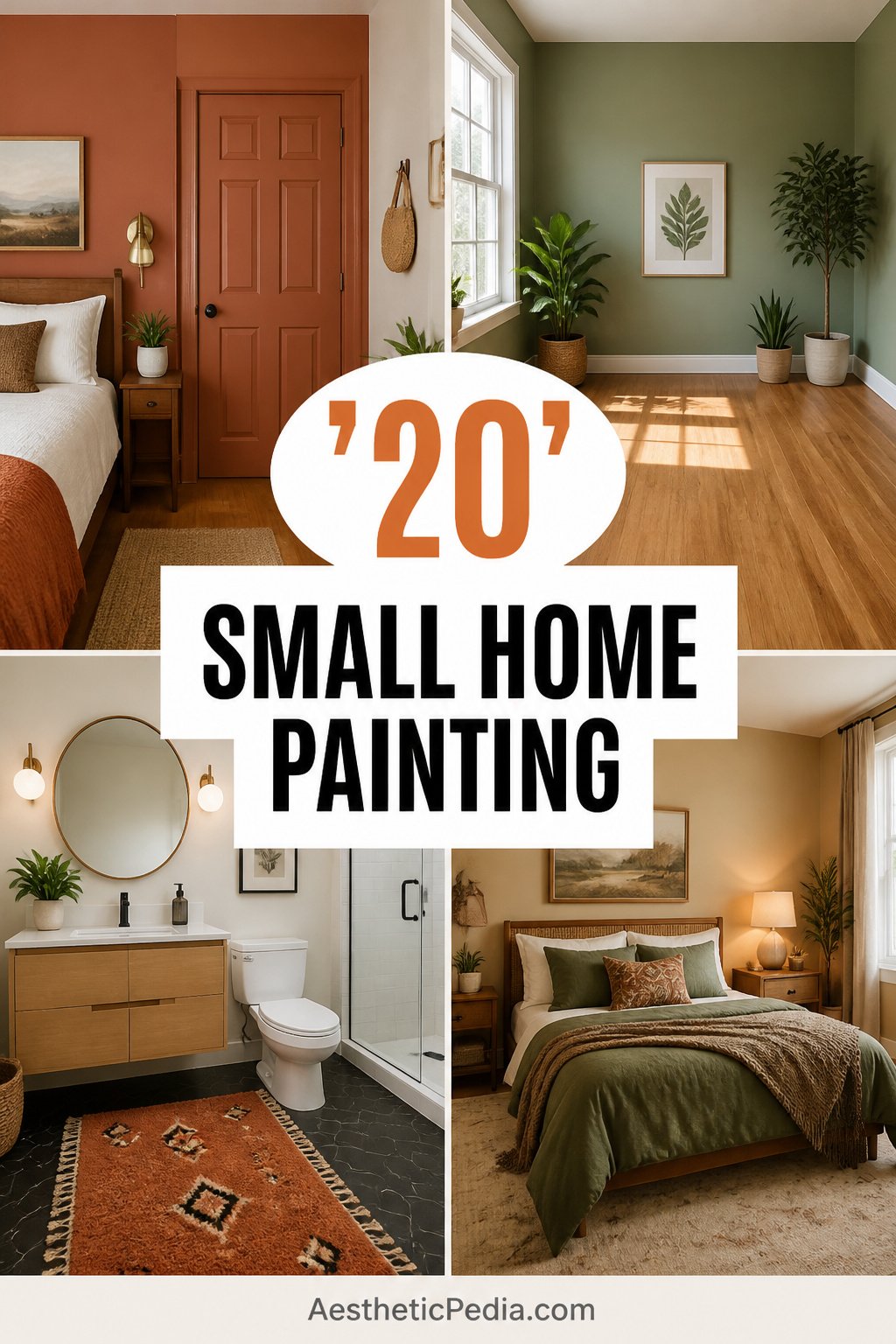
An orange rug paired with a softly painted wall and a round mirror creates a whimsical focal point – your small home painting can be playful without going full maximalist. When I matched a rug tone to a painted accent wall, it made the room feel curated and cozy, and guests always asked where I found such a perfect balance. Stick to one bold accent and keep other elements neutral to avoid visual chaos.
Green Tile Echo
If your bathroom already has green tiles, paint the adjacent wall a complementary green or muted cream so everything feels intentional and natural – plants will look stunning against that backdrop. You can make small spaces feel like an urban oasis by layering textures and finishes, and I swear plants make paint choices come alive. Matte finishes on the tile-adjacent walls keep the look grounded and modern.
Soft Light Above Sink
Highlighting the wall above a small sink with a pale, reflective shade makes the mirror and light fixture pop and improves the room’s perceived depth. I did this in a tiny powder closet and suddenly morning routines felt less rushed because the space looked calmer. Use subtle contrast and a satin finish to balance light and make the area easy to maintain.
Coastal Blue Tub Wall
Painting the wall behind a tub in a soft coastal blue can make a compact bathroom feel like a seaside escape and gives a small room a serious focal point. Even if you don’t have a view, the color can trick your brain into feeling airier and calmer when you step in for a soak. Pair it with white trim and natural textiles to keep the mood serene and collected.
Mirror-Centered Finesse
When the mirror is the central element, use paint to frame it – a soft contrasting tone will draw attention and make the small area feel styled. I framed my mirror with a thin painted border once and shoppers asked if I’d hired a designer – small tweaks feel luxurious. Keep the surrounding hardware minimal so the color does the talking.
Blue Cabinet Accent
Painting cabinets or just the cabinet faces in a deep blue while leaving walls neutral is a clever small home painting move that gives lots of personality with minimal commitment. I tried this on a tiny sink cabinet and it instantly felt elevated, plus repainting cabinet faces later is easier than changing walls. Use a semi-gloss on cabinet fronts so they’re wipeable and durable.
Soft Shelf Glow
Paint the small wall behind open shelves a muted, darker tone so your trinkets and jars pop; it visually deepens the shelf and organizes the eye. I love how changing just that thin backdrop can make toiletries look intentional instead of cluttered. Match shelf paint to small decor pieces for a boutique, collected look in small bathrooms.
Neutral Mirror Ensemble
A gentle, warm neutral surrounding a central mirror creates a calming, spa-like feel even if your bathroom is tiny, and it’s a safe bet if you’re renting. When I had a small rental bathroom, I used this trick to create a peaceful morning routine without permanent changes. Keep trimming subtle and choose a finish that cleans easily to keep the look fresh month after month.
Flower Counter Pop
Paint the little wall behind your sink a soft, floral-friendly shade so fresh flowers or faux stems feel integrated rather than accidental, and your countertop becomes a daily mood lifter. I remember painting a skinny wall lilac and suddenly every arrangement I bought looked editorial. This approach makes a small bathroom feel curated with almost zero extra cost.
Wood Cabinet Harmony
If there’s a wooden cabinet in a small bathroom, use paint to match or complement its undertones so the whole vignette reads intentional and warm. Painting a small wall behind the cabinet in a mossy or terracotta-adjacent shade can tie wood grain and tile together beautifully. Keep hardware matte to avoid reflecting too much light in compact zones.
Blue Tile Accent Band
Painting a narrow band of wall in a deep blue above white tiles creates a graphic, modern look that adds character without shrinking the room – it feels intentional and editorial. I tried a 12-inch painted stripe above tile and every visitor complimented the clean, thoughtful detail. Keep the stripe crisp and level and it will look designer-made even in tiny bathrooms.
Round Mirror & Plants
Choose a soft, warm shade behind a round mirror and layer in plants to make a small bathroom into a tiny sanctuary – the living element lifts any paint choice off the page. In my first apartment, a green-accented wall plus a fern made an otherwise basic space feel like a cozy greenhouse. Keep surfaces easy to wipe to protect both paint and plants from moisture.
Terracotta Bedroom Door Pop
If your home is tiny, painting a door or small accent wall terracotta creates warmth and an unexpected focal point that doesn’t overcrowd the room. I painted my bedroom door a rich terracotta and it became the backdrop for my entire decor palette, which made styling simpler. Use this where you want depth without large-scale commitment.
Green Room Refresh
An empty room painted in a calming green and paired with plants and wooden flooring feels like a breath of fresh air, especially in small homes that need a restful corner. I once painted a spare wall in a muted forest tone and it instantly became my reading nook – tiny but tranquil. Let natural light be your guide when choosing undertones so the green reads lively, not heavy.
Art-Adjacent Accent Wall
Painting a small wall behind a piece of art in a complementary color will make the artwork sing and give a compact room the curated feeling of a gallery corner. I tried this technique with a black-and-white print and a soft blush backdrop and it elevated the whole apartment instantly. Use paint to create depth rather than covering every wall, and the result will feel intentional and spacious.
How to Actually Make This Work For You
Start small and plan where light hits the wall – test large swatches because color reads differently in morning versus evening light and in small spaces you’ll notice every nuance. Choose finishes thoughtfully: satin and eggshell hide small flaws and are easy to clean, while semi-gloss works great for cabinets and trims because it resists moisture and wear. Finally, commit to one statement at a time so you don’t overwhelm your tiny home – pick a focal wall or cabinet, style around it, and live with the choice for a month before adding anything new.
What paint finish is best for tiny rooms?
Eggshell or satin often work best because they reflect enough light to brighten a small room while hiding minor wall imperfections – semi-gloss is ideal for trim and cabinets for durability. Avoid flat finishes in high-traffic areas because they’re harder to clean and can show marks faster.
How do I choose a color that won’t make the room feel smaller?
Pick colors with warm or light undertones and test swatches near the area where light lands – cool, very dark shades can shrink a space if used on all walls, but a single dark accent can create depth and interest. Use mirrors and lighter trims to balance richer hues so the room still feels open.
Can I paint cabinets myself in a small home?
Yes, painting cabinet faces is a high-impact DIY that works well in small homes – sand, prime, and use a durable semi-gloss or enamel to keep them wipeable, and work slowly on one cabinet at a time. If you want a smoother finish, lightly sand between coats and consider a brush-and-roller combo.
How much paint do I actually need for a small wall?
Most small accent walls need one to two quarts for full coverage if you’re using quality paint and apply two coats; exact amounts vary with surface texture and color change. Always buy a little extra for touch-ups and test a small area before committing to full coats.