Okay friend, let me tell you about the little obsession that’s been taking over my weekends – home color schemes aesthetic. I keep finding myself scrolling palettes and imagining how a soft green or warm terracotta would change the whole vibe of my apartment.
I wrote this because picking colors felt impossible at first and I wanted a gentle guide that actually helps – not just trends. After repainting my tiny bedroom and learning which tones make a space feel calm versus cramped, I figured out a few rules worth sharing.
By the end you’ll have ten real, wearable color ideas with clear visuals and simple tips so you can pick one and actually love it.

These 10 Home Color Schemes Aesthetic to Try Right Now
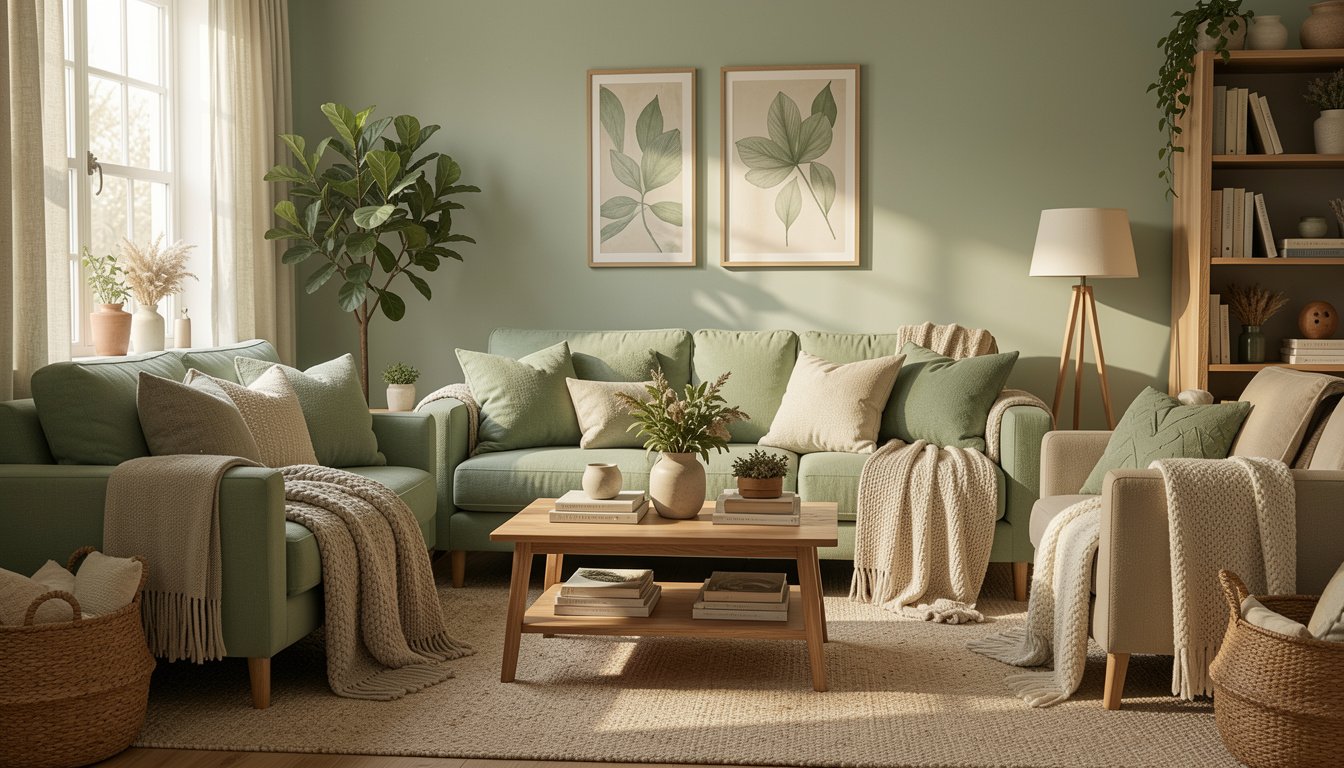
Soft Green Serenity
This palette is all about soft sage and muted olives layered over warm neutrals, which instantly calms a room without feeling cold. I painted one wall in my rental a similar shade and it made my plants pop while keeping everything cozy. Try pairing with natural wood and linen textures to avoid the space feeling too flat, and you’ll get a serene, lived-in look that never feels fussy.
Modern Gray Minimalism
Think layered grays from soft dove to charcoal with crisp white trim for contrast – it reads chic and intentional. You can soften this with warm metals or a beige rug so it doesn’t feel like a showroom, and I like to add one colorful throw to keep it approachable. When you balance light and shadow in the room you’ll see the different grays actually play together beautifully.
Clean Painter’s Palette
This look uses several coordinated paint swatches against a white backdrop to let each tone breathe and speak for itself. I once taped full-sized sample strips to my wall to live with them for a week – that trial saved me from repainting later. Let natural daylight guide your choice and keep furniture simple so the colors remain the star.
Warm Brown Comfort
Browns from cinnamon to chocolate wrapped around a room feel like an instant hug, especially when layered with cream and terracotta accents. You should mix finishes – matte walls, leather chairs, and a glossy ceramic lamp make the palette feel rich rather than heavy. Add plants or a light rug to break up expanses of brown and keep things fresh.
Swatch Wall Inspiration
Creating a swatch wall like this helped me commit to colors when I was indecisive – seeing them together on a vertical plane made a huge difference. You can mix unexpected neighbors, like a muted coral next to sage, and suddenly the palette feels curated. Let that wall guide your textiles and art placement for an instant cohesive update.
Cozy Artful Living
This aesthetic pairs layered furniture with an art piece above the coffee table to anchor the room, using color to echo tones from the artwork. I accidentally matched a throw to a painting once and the entire space seemed planned even though it wasn’t. Look for small repeats of the same hue across pillows, ceramics, and a rug to unify the look.
Clean Neutral Ready
Minimal, tidy, and very livable – this scheme relies on warm neutrals with crisp edges and uncluttered surfaces. You should add texture like a chunky knit or woven basket so the neutrals don’t read flat. Keep surfaces intentional and let a few mood-makers like a lamp or stack of books do the decorating for you.
Fireside Rich Tones
When you have a focal fireplace, rich tones like deep mustard, oxblood, or forest green create a dramatic, cozy vibe perfect for evenings in. I remember curling up here with tea during a storm, and the colors made everything feel intentionally snug. To avoid overwhelming the room, keep one large surface neutral and let the darker tones hug the focal area.
Tile and Accent Play
Using tile samples and small shapes gives you freedom to play with pattern and color on a modest scale before committing to paint or wallpaper. You can test combinations on a tray or table for a day to see how light affects each tone. This tactic helped me pick a bold accent color for a hallway without regretting it later.
Classic Fireplace Gathering
This design centers the room around a fireplace and layers complementary tones to make conversation feel warm and intimate. If you like hosting, pick colors that look good under both daylight and lamp light because mood shifts after sunset. I once hosted a small dinner where the paint color made everyone comment – that’s the kind of quiet win you want.
How to Actually Make This Work For You
Start by sampling colors at different times of day in the exact room you’re painting so you aren’t surprised by evening shadows, and pair your chosen wall tone with two contrast pieces like a rug and a lamp to test harmony. Keep functionality in mind – pick scrubbable finishes for high-traffic areas and choose calming palettes for bedrooms so your space supports rest. Trust a small repeat of the main color across accessories to create cohesion and save the bolder choices for accents so upgrades feel effortless.

How do I pick a main color for my whole home?
Start with a neutral base you love, then choose one main accent color that flows through several rooms for continuity – curtains, a throw, or a piece of art help link spaces. Also observe how light changes across the day to ensure the color feels right morning and night.
What if my apartment is small and dark?
Choose lighter, warmer neutrals or soft greens that reflect available light and avoid overly saturated tones which can feel heavy in small spaces. You can use a darker accent on a single wall or on furnishings to add depth without closing the room in.
Can I mix warm and cool palettes together?
Yes, mixing can work beautifully if you keep a consistent undertone – for example, choose warm-grays or cool-beige that bridge both families. Balance is key, so repeat one color in at least three places to make the mix feel intentional.
Are trendy colors worth following?
Trends can inspire you, but prioritize how a color makes you feel long-term and whether it suits your lifestyle; go for lasting satisfaction over novelty. If you love a trend, add it through accessories you can swap easily rather than committing a whole room immediately.