Okay, let me be honest – I could stare at pretty little vignettes all day, and that cozy pull toward curated decor is exactly why “home accessories aesthetic” is my favorite way to refresh a space without a full renovation. These little pieces are the secret mood-makers that make an apartment feel like you in seconds.
I wrote this list because I know how overwhelming styling can feel when you want your place to look thoughtful but not staged – I speak from a lot of trial and error, thrifted wins, and one or two aesthetic missteps. Over the years I’ve collected bits that actually work together and I want to share the ones that consistently make a room feel calmer and more intentional.
Read on and you’ll get ten easy, real-life accessory ideas with styling tips, quick notes on scale and budget, and a few of my own small stories to inspire you.
These 10 Home Accessories Aesthetic Will Transform Your Space
Soft Pink Candle Vignette
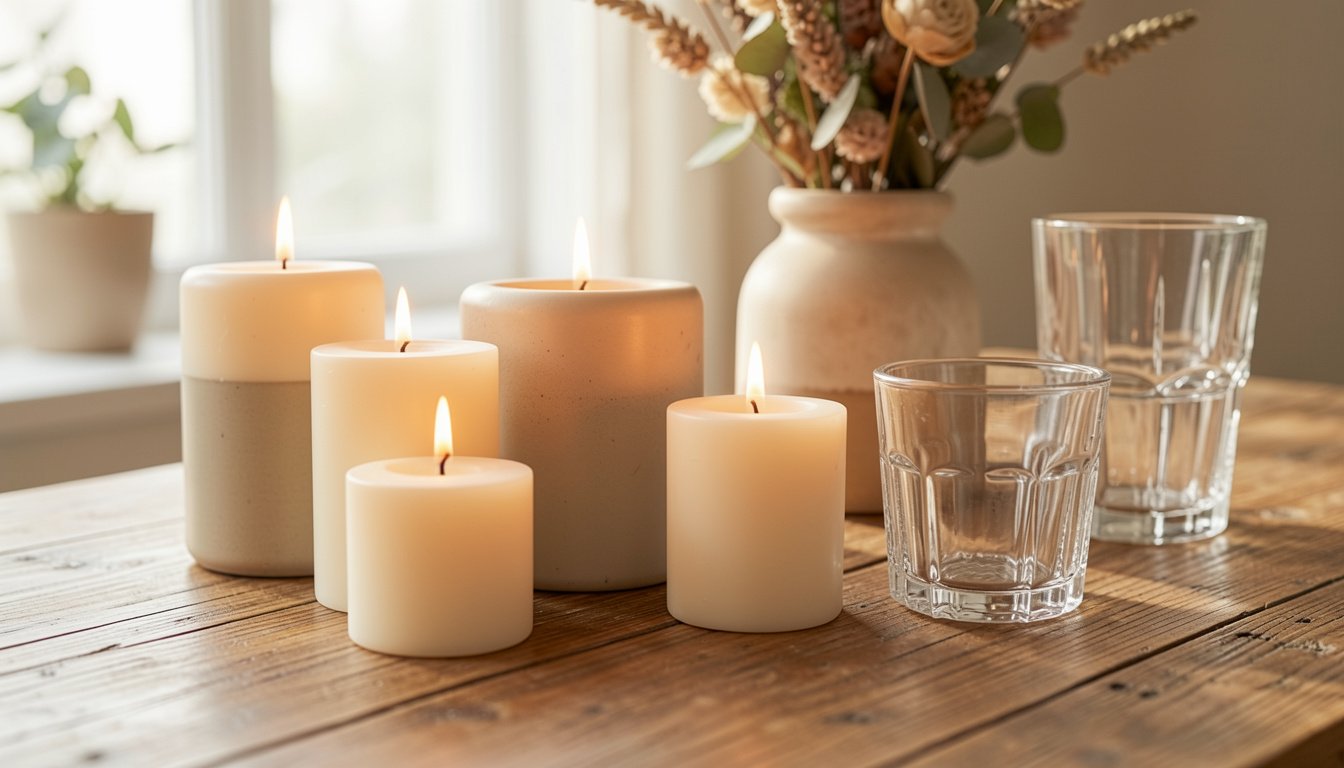
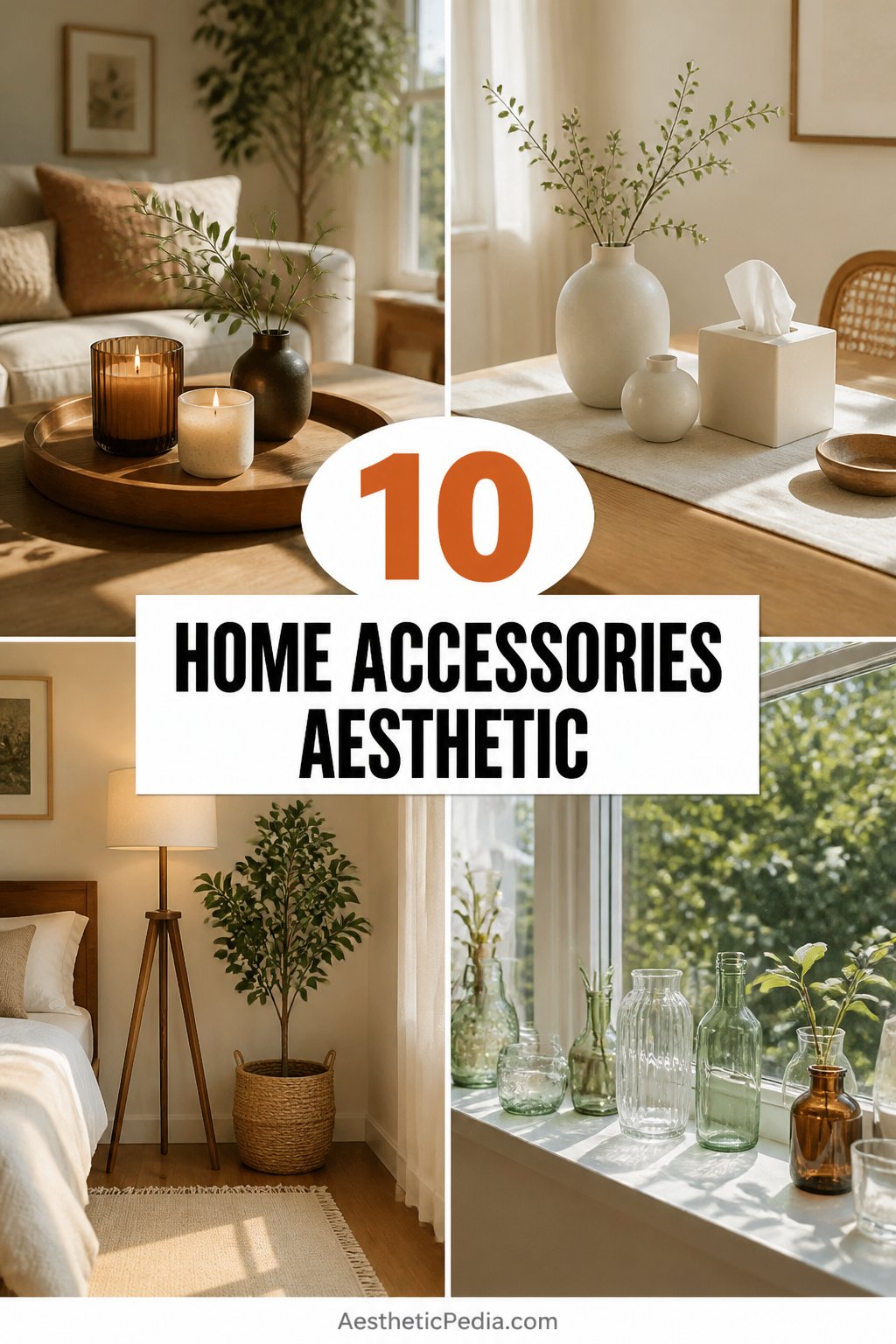
I love how a pair of pink candles can make a small corner feel curated and intentional, especially when paired with a simple vase and a vintage candle holder for texture. Lighting candles changes more than scent – it softens shadows and adds depth to flat surfaces, which is why I always keep them on a wooden tray to protect my table and group items cohesively. Once I stacked three different heights and realized the arrangement created a tiny ritual spot for tea and reading, which made mornings feel more deliberate and peaceful.
Minimal White Vase Duo
Two clean white vases placed together are a classic choice because they give you shape without competing with other colors in the room, and they’re so forgiving when you experiment with flowers or dried stems. I often swap tissue paper or seasonal blooms in and out depending on the vibe I want that week, which keeps the look fresh without needing new purchases. Try tucking them on a console or open shelf where light hits them – they act like tiny sculptural anchors that pull an area together.
Cozy Wooden Bedside Corner
A warm wooden floor lamp next to a plant and a low-profile nightstand makes a bedroom instantly feel lived-in and intentionally calm rather than showroom perfect, which is a vibe I chase every time I change my sheets. I swapped out a bulky lamp for a slender wood one and the room immediately felt airier while still giving cozy light for night reading. Small decisions like scale and warmth of wood are everything – you want accessories that invite use, not just look pretty.
Sunlit Window Glassware Collection
Grouping a handful of glassware on a windowsill is one of my favorite low-effort styling tricks because the pieces catch daylight and make a simple window feel like a tiny installation. I keep a variety of heights and stem styles and switch the lineup with the seasons, which creates subtle shifts in how the light plays across the room. If you have a small sill, experiment with clearing space and letting the glass speak for itself – the reflection and transparency add texture without clutter.
Sleek Metallic Coasters Set
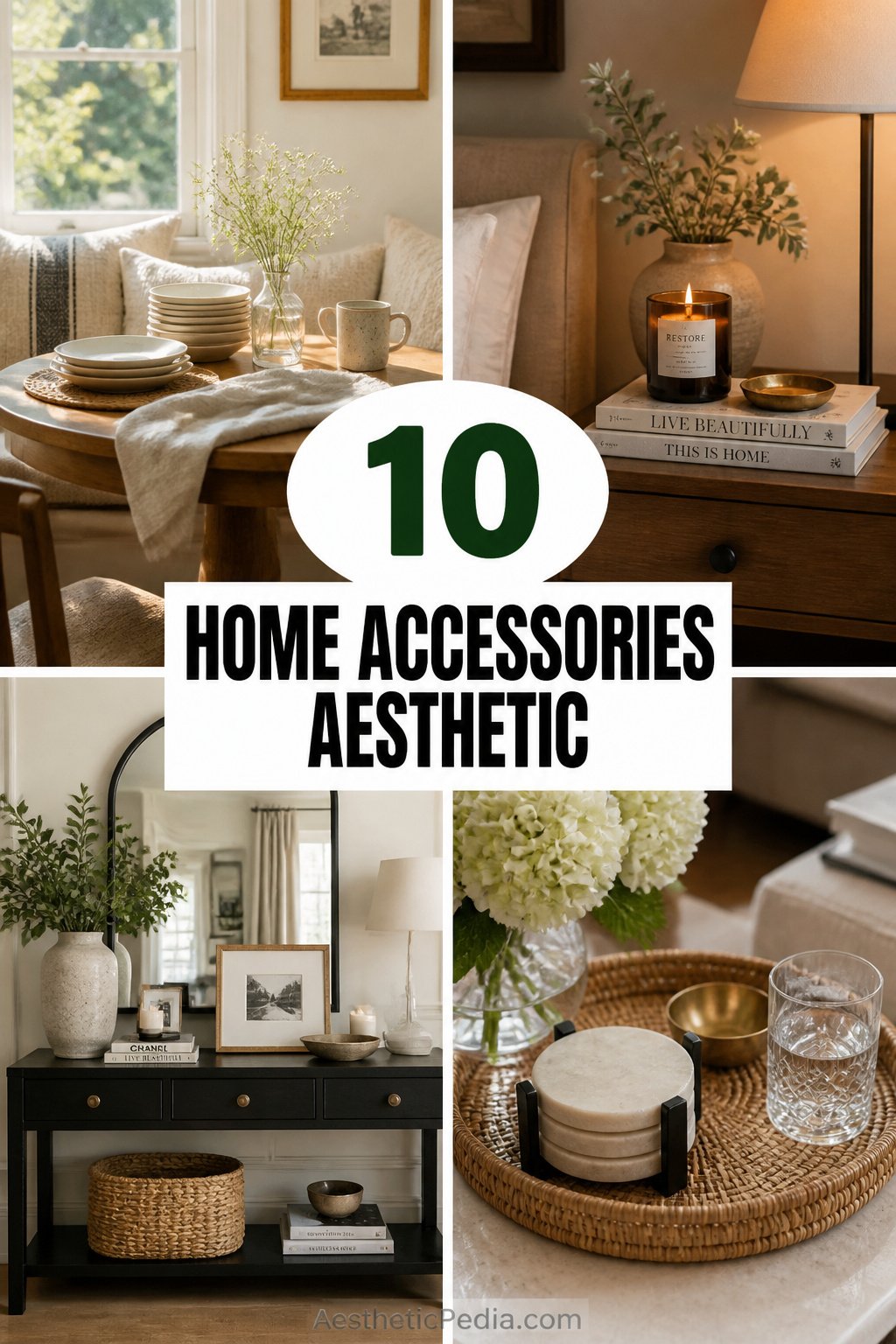
Metal coasters look more elevated than cork or felt and they’re a super functional detail that protects surfaces while making your coffee table photo-ready in seconds. I once hosted a midnight movie night and realized I’d introduced a rule I didn’t know I needed – always use coasters – because little protective rituals prevent bigger headaches later. Find a set with a subtle patina or shine that matches other accents like lamp bases or frames to create a quiet sense of cohesion.
Whimsical Fish Vase Accent
A playful fish-shaped vase is that accessory that reads like personality rather than a generic object, and I love how it can sit on a shelf or hang as wall decor to break up straight lines and predictable silhouettes. One time I added a small quirky vase to a bookshelf and people kept asking where I found it because it anchored the whole shelf so well. Use smaller statement pieces sparingly – they’re most effective when everything around them is quieter.
Mirror and Memory Table
A table styled with a small mirror and a few framed photos feels so intimate and curated, and I personally think mirrors are the unsung heroes of accessory styling because they bounce light and expand a view. I found a thrifted mirror that immediately made my entryway feel more like me, and arranging layered frames beside it surprisingly taught me to edit rather than pile. Keep the scale of each frame similar and let negative space do some of the heavy lifting for a more refined look.
Timeless Stacked Plates Display
Stacking white plates or ceramic dishes on open shelving is an easy move that reads both functional and decorative, and it’s a trick I use to make kitchen walls feel intentional even when cooking is a mess. I rotate in a colored plate or a small bowl for contrast, which keeps the shelves from feeling too museum-like and more like a real-loved kitchen. When you stack, think about rhythm and space – leave breathing room around the stack so each piece can be admired.
Textured Glass Tile Trio
A trio of small glass tiles or sample tiles placed on a table doubles as unexpected art, especially when layered next to natural materials like wood or linen, and they’re a subtle nod to texture that doesn’t scream for attention. I once used leftover tiles on a coffee table as a quick styling stopgap and it looked so purposeful I kept it for months. Arrange them in an off-center group for a relaxed look that still reads intentional and tactile.
Glass Knob Close-Up Detail
A decorative glass knob placed on a small trinket box or used as a drawer pull adds a vintage sparkle that feels tiny but impactful, and I can’t recommend this detail enough if you want charm without clutter. One of my favorite weekend projects was swapping out boring knobs for glass ones and watching how the whole dresser suddenly looked curated. Small hardware choices like this are a low-effort way to signal a thoughtful aesthetic throughout your home.
How to Actually Make This Work For You
Think of accessories as your outfit for the room – choose one or two pieces that reflect mood and keep the rest simple so the space doesn’t feel busy; edit ruthlessly and rotate items seasonally to keep things fresh without spending more. Start small by styling one shelf or corner and live with it for a week so you notice what you actually use and what’s performative, then adjust scale, color, and material until the area feels both functional and like you.
How do I choose the right scale for accessories?
Start by measuring the surface you’re styling and pick one anchoring piece around one-third to one-half of the width, then add smaller items to balance negative space – this helps everything read intentional rather than crowded. Try grouping odd numbers like threes for a natural composition.
Can cheap accessories still look high-end?
Yes – focus on texture, color palette, and a cohesive base like wood, ceramic, or glass to elevate affordable finds, and edit often so only the best pieces remain visible. Thoughtful placement and restraint create a luxe feel more than price tags do.
How often should I rotate decorative items?
Rotate seasonally or whenever you crave a mood change; small swaps like candles, a vase, or a textile refresh are easier than replacing big pieces and keep the space feeling new. I usually make changes four times a year and it keeps styling fun.
What’s one quick tip for renters who can’t change fixtures?
Use freestanding accessories like lamps, rugs, and art leaning against walls to change the room’s personality without altering the space – these pieces are movable and impactful. Layering textures and selecting a consistent palette will make temporary choices read permanent and polished.