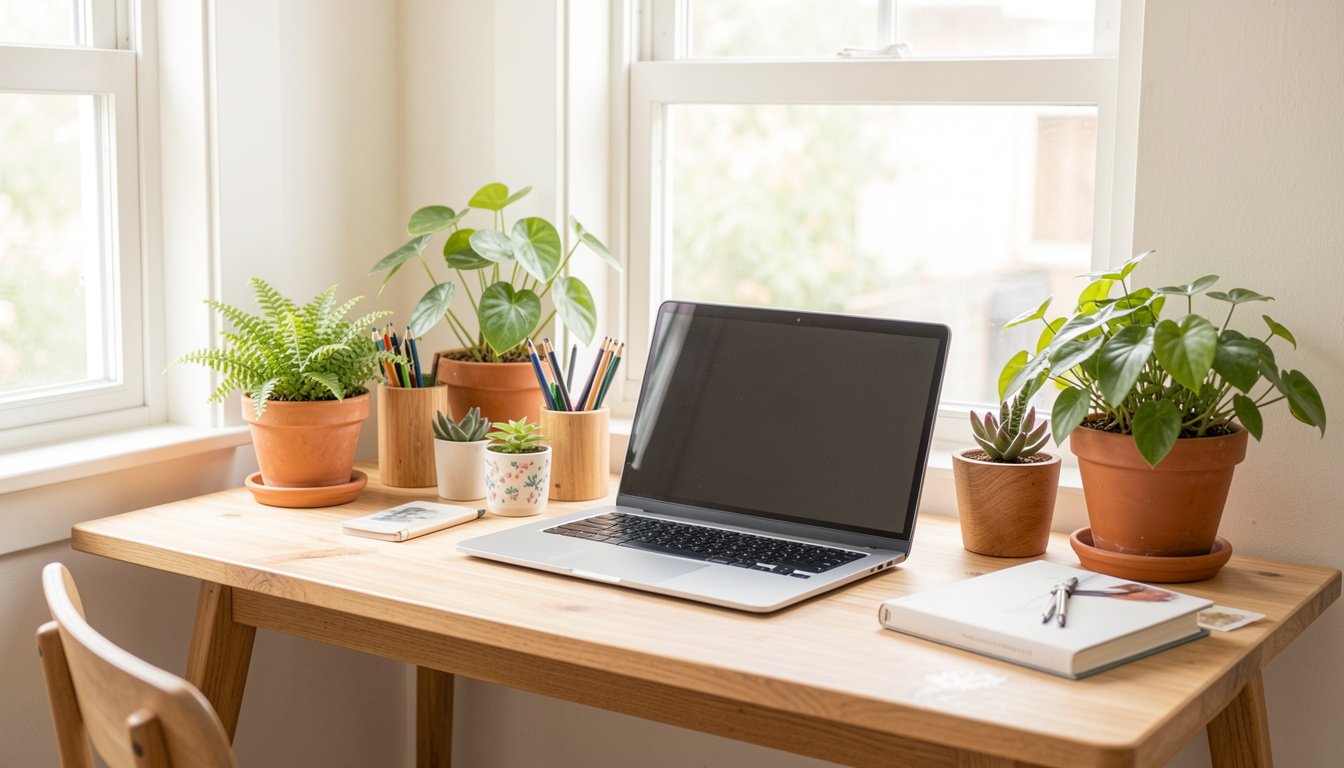
Okay friend, I am so excited you clicked – creating a home office setup diy has been my little weekend obsession lately and I can already tell this will be fun. I’ve tried tiny desks, big corner builds, and a fair share of thrifted shelves, so I wrote down everything that actually worked for me. You’re going to get practical ideas, easy DIY projects, and a few of my favorite aesthetic tweaks to make your space both cute and functional.
Most of what I share cost under $100 and can be done in a few hours, which is perfect if you’re impatient like me. I’ll be honest about what felt worth the effort and what didn’t, because I hate wasted time and money. Expect approachable steps you can tweak for your style.
Scroll through these 15 ideas and pin the ones you want to try – I promise there’s something for every size room and budget.
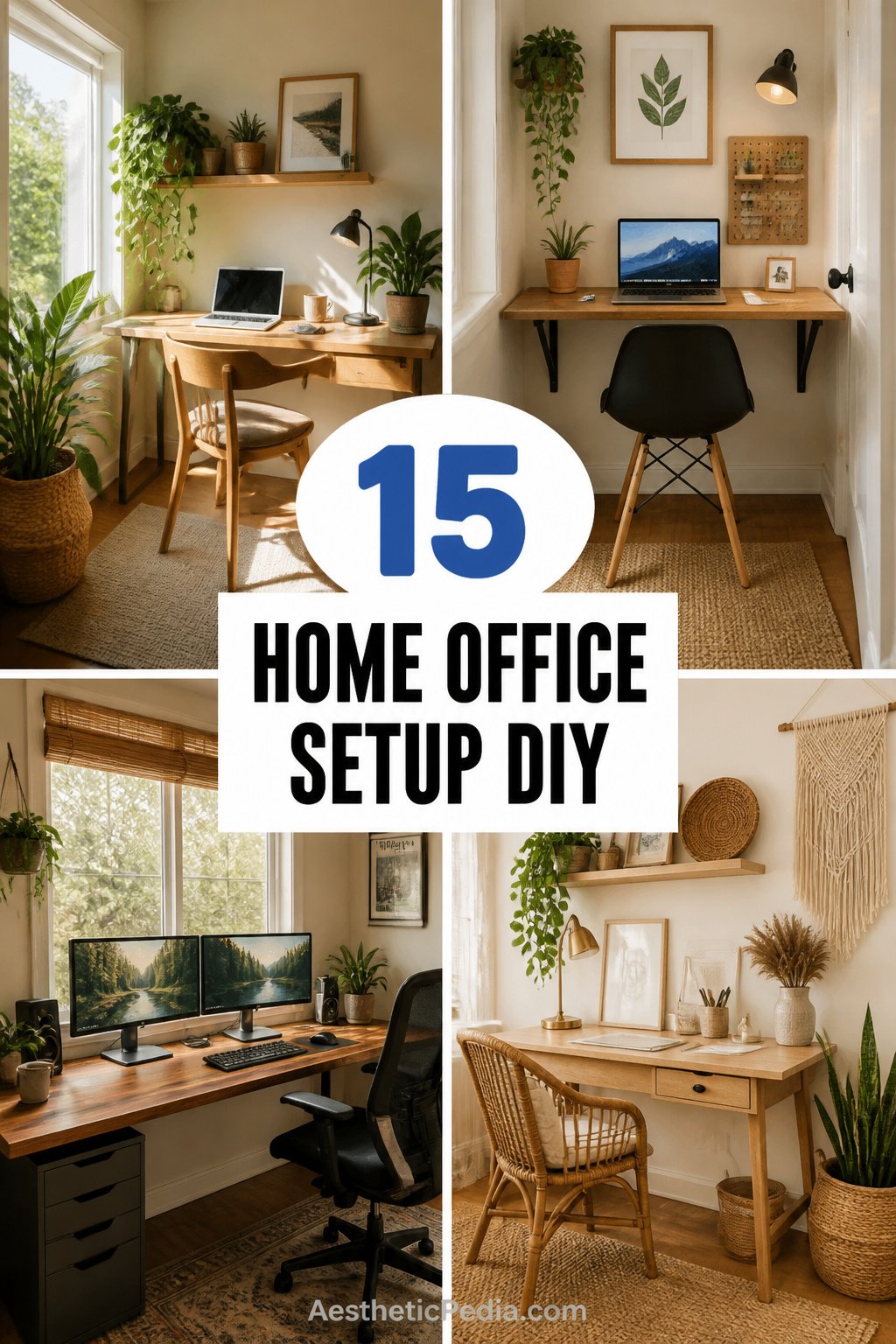
These 15 Home Office Setup DIY Ideas
Window-Facing Minimal Desk
Sit with the sun on your face – a window-facing minimal desk instantly boosts mood and focus, and you can DIY a floating shelf desk in an afternoon. I once built a slim tabletop from an old dresser top and paired it with sleek brackets, which felt way more grown-up than I expected. Keep the surface clear with a pencil tray and one plant to avoid visual clutter. You’ll be surprised how much natural light changes your workflow and weekly energy.
Warm Wooden Workstation
A warm wooden workstation makes everything feel intentional, and a simple stain project can transform a thrifted desk for super low cost. I love pairing wood with white storage boxes so the space stays bright but still grounded. Add a small drawer organizer for pens and notebooks to keep the surface practical. This setup is perfect if you need a reliable, cozy place to spread out projects.
Built-In Shelves Above Desk
Add built-in shelves above your desk to take advantage of vertical space and keep essentials within reach, which is great for tiny rooms. Start by measuring carefully and building shallow shelves that don’t overwhelm the sightline – I used 8-inch deep boards and it felt perfect. Arrange baskets, books, and a few plants to balance function and style. You’ll reduce desktop clutter and give yourself a nice backdrop for video calls.
Gallery Wall With Desk
Create a gallery wall behind a simple desk to add personality without sacrificing space, and rotate prints seasonally to keep things fresh. I framed a mix of postcards and prints from local artists, and it makes me smile every morning. Keep frames aligned using a paper template on the wall so you get straight rows the first time. This is an easy weekend update that makes your desk feel custom-made.
Window Seat Office Nook
If you have a wide windowsill, convert it into a window seat desk nook with cushions and a slim pull-out table for your laptop. Start by measuring the depth and adding a low-profile pull-out surface that tucks back under the sill when you want quiet. Include a tiny shelf for chargers and a plant for height contrast. Working by the window like this feels like a mini retreat and is surprisingly productive.
Two-Screen Productivity Desk
Building a two-screen productivity desk is easier than you think – a wide plank and monitor mounts give you tons of flexibility. I mounted my monitors to free up desk space and suddenly had room for notebooks and a cup of tea. Use cable channels under the desk to keep wires invisible and calming. This layout is ideal if you switch between spreadsheets and creative work all day.
Simple Scandinavian Setup
A Scandinavian-inspired setup prioritizes light woods, clean lines, and a single sculptural lamp to create calm – perfect for shorter attention spans. Choose a slim desk and a comfortable chair with simple legs to keep the airy feel. Add texture with a woven rug and one ceramic mug for pens. You’ll get a space that looks chic on video and stays pleasantly uncluttered.
Audio-Friendly Corner Desk
If you’re on calls or edit audio, design an audio-friendly corner desk with soft fabrics and a headset hook on the wall – your ears will thank you. I installed an adhesive hook and suddenly my headphones stopped getting tangled under cables. Place foam panels or a bookcase filled with books nearby to dampen noise without heavy construction. This approach keeps things simple and saves your voice for long meetings.
Plant-Filled Productivity Shelf
A plant-filled shelf above or beside the desk softens the space and improves air quality – plus greenery is an instant mood lifter. Rotate low-maintenance plants like pothos or snake plants so they survive your occasional forgetfulness. Use matching pots for a coordinated look and add a humidity tray if you’re worried about overwatering. You’ll end up with a small indoor garden that makes work feel less like work.
Compact Gaming/Work Hybrid
For those who combine gaming and work, a compact hybrid desk with dedicated cable ports keeps both worlds organized and quick to switch. Start with a sturdy desk surface and allocate zones – one side for productivity, the other for play. I set up a little shelf for controllers and a pegboard for cables, which saved so much time. Balancing utility and comfort here prevents gear from taking over the whole room.
Built-In Drawer Organization
Custom drawer dividers make a huge difference for keeping pens, scissors, and sticky notes accessible but hidden. Cut plywood or use adjustable organizers to create compartments that match your supplies. I labeled a few slots and it cut down on the five-minute scavenger hunts that used to eat my mornings. This small investment pays off every single day.
Bright White Minimalist Desk
A bright white minimalist desk reflects light and makes a tiny room feel larger, and a washable surface keeps things looking fresh. Pair it with a colorful accessory or a single vase to prevent sterility. I find that cleaning the surface weekly keeps my brain from getting cluttered as well. If you want clarity and calm, this is your vibe.
Cozy Window Plant Corner
Create a cozy corner with a small desk, a lamp, and a cluster of plants near the window – it becomes a spot you actually want to sit in. My friend and I once turned a corner into a plant nook and ended up spending more time there than anywhere else in the house. Use a tiered plant stand to maximize light exposure without crowding the desk. The result is a calming workspace that feels more like a living room sanctuary.
Dual Monitor Corner Desk
A corner desk with dual monitors helps you multitask while keeping cables out of the way, especially if you use a corner mount. Position the main monitor directly in front and the secondary at a slight angle for easy reference. I installed a small under-desk shelf for the CPU and it freed up tons of legroom. This layout is ideal for creative or analytic work that needs constant screen switching.
DIY Desk With Hidden Storage
A DIY desk with hidden storage keeps supplies close but out of sight, and a sliding drawer or a shallow rolling cabinet does wonders. Start by measuring what you really use and design drawers to fit those items instead of guessing. I built a slim drawer under my desk for markers and it made morning routines faster and calmer. You’ll appreciate the look of a clean surface and the practicality of everything being within reach.
How to Actually Make This Work For You
Start by measuring your space and listing the three things you use most each day so the design supports your real habits, not a Pinterest-perfect fantasy; next, prioritize one upgrade at a time so you see progress without overwhelm, and finally pick materials that are forgiving and easy to clean so the setup stays useful long-term. If you rent, favor freestanding or reversible solutions so you can take them with you, and always test a chair or desk height before committing to a full build.
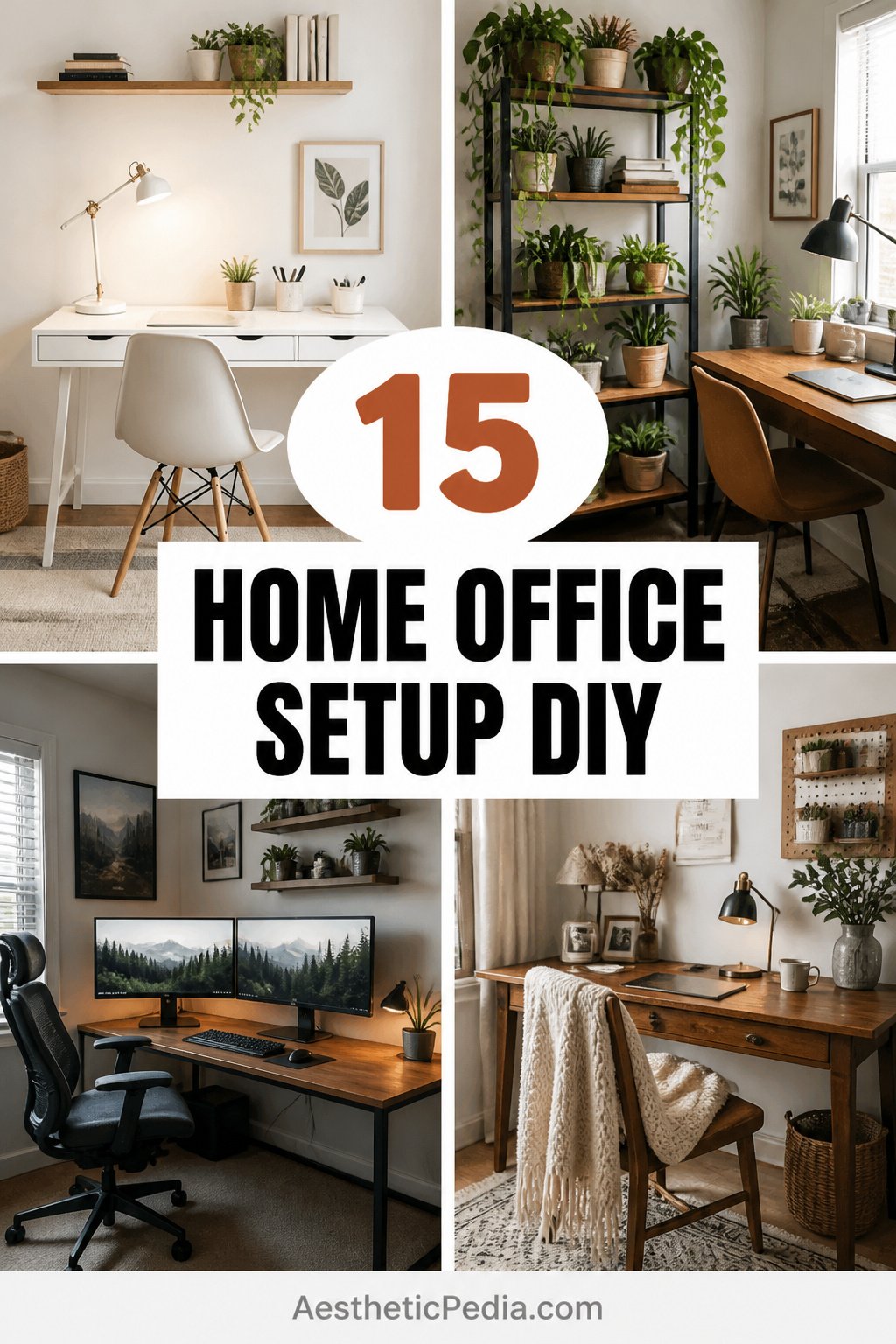
How much should I budget?
Answer – You can spend as little as $50 for simple DIY upgrades like shelves and drawer dividers, but expect $200-400 for a more polished build with quality materials. Prioritize one investment at a time to stretch your budget.
Can these ideas work in tiny apartments?
Answer – Absolutely, many ideas are designed for small spaces like floating desks, wall shelves, and window nooks that free up floor space. Focus on vertical storage and multifunctional pieces for the best results.
Do I need special tools for these projects?
Answer – Basic tools like a drill, level, measuring tape, and a saw are enough for most of the projects described; some builds can be completed using pre-cut boards and adhesive hardware for a tool-light approach. Borrow or rent specialty tools if you only need them once.
How do I keep my workspace tidy long-term?
Answer – Create a simple nightly reset routine where you clear the surface, stash cables, and file papers so clutter never accumulates, and use labeled storage to make putting things away effortless. Treat tidying as a two-minute habit rather than a big weekend chore.