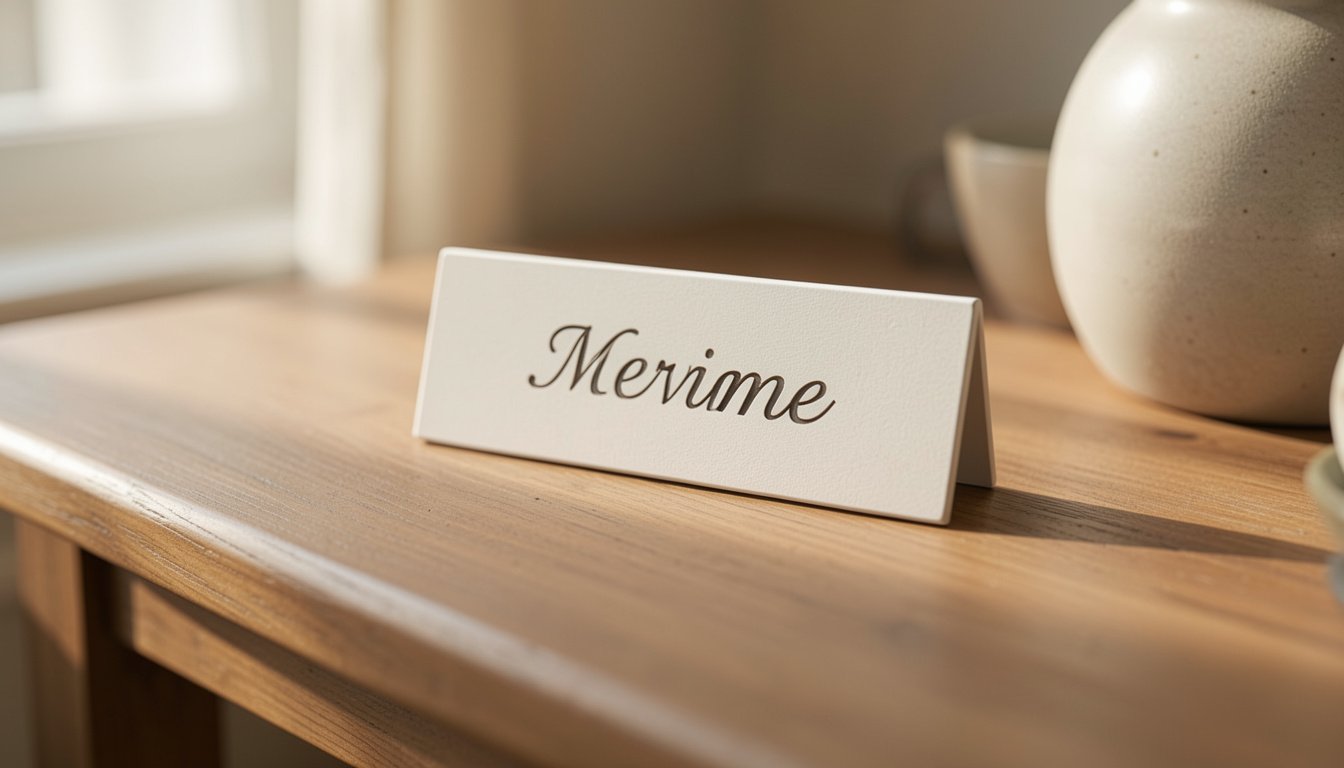
Okay friend, if you love little details that make a house feel like yours, you’re going to fall for name plates for home aesthetic the same way I did. They are small, but they set a tone – like a wink at anyone who walks in that this space was lovingly curated.
I started collecting simple plates, paper tags, and handmade clay signs after moving into my first apartment and realized how fast they changed the vibe. This article exists because I keep discovering cute, clever, and doable name plates that actually make rooms feel finished instead of staged.
Below I’ve rounded up 12 of my favorite ideas with real notes on how to use them and what I learned so you can pick one that feels right for your space.
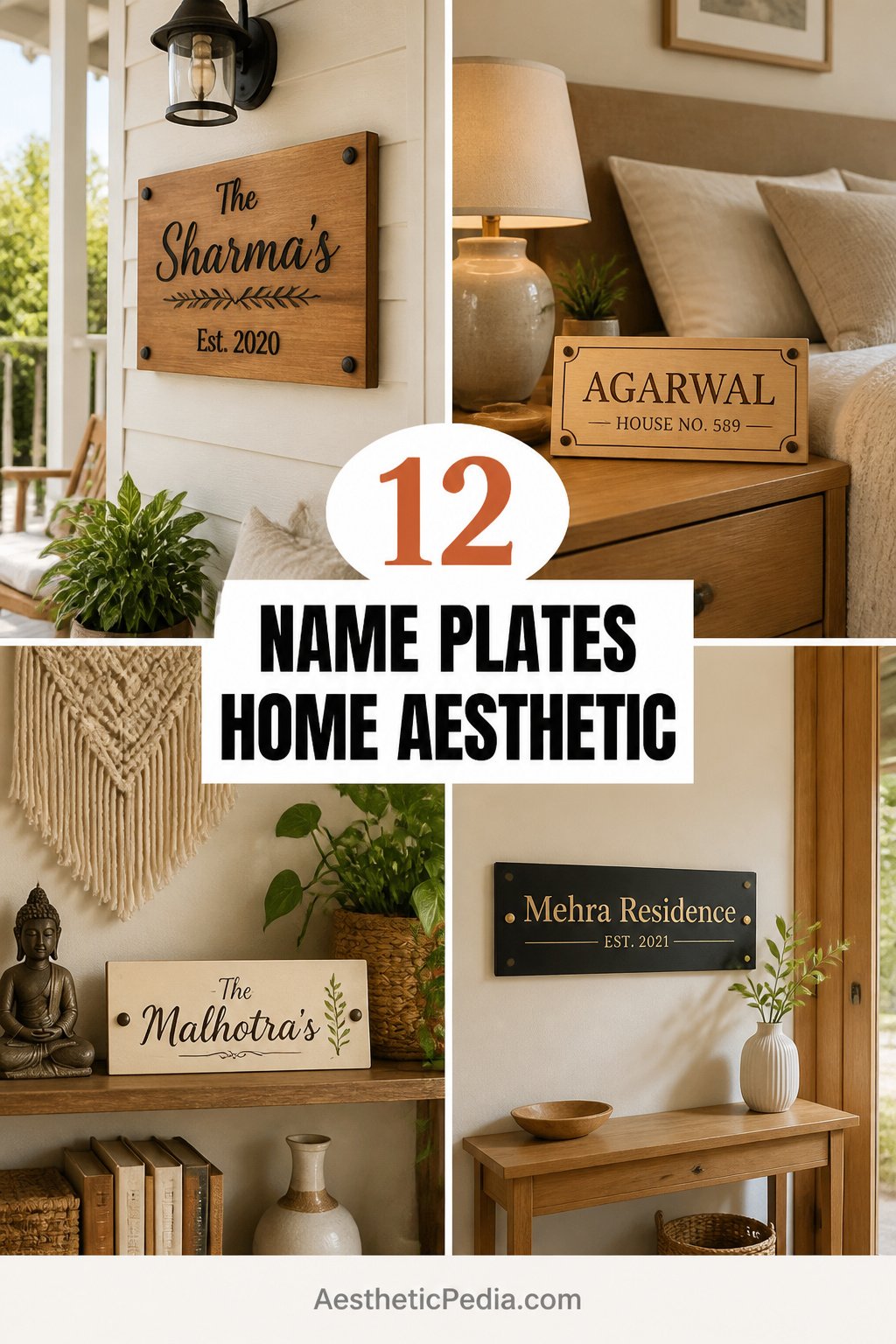
12 Cool Name Plates For Home Aesthetic
Paper Cutouts For Playful Corners
These paper cutouts are adorable on a console or kids’ nook and they feel so accessible because you can make them in an afternoon. I once taped a set above my plant shelf and they added just the right amount of whimsy without competing with the greenery. If you want a casual, temporary option that you can swap seasonally, this is the easiest route.
Floral Cardboard Wall Art
Cardboard flower portraits turned into name plates are unexpectedly elegant when painted in soft neutrals, and they work well in a hallway gallery. I love the texture they bring, especially when paired with framed photos and a mix of materials. Consider using a small brass hook so the pieces hang flat and don’t cast distracting shadows.
Hand-Drawn Paper Signs
There is something so honest about a name plate you drew yourself with a pen – the imperfections become charm. You can personalize fonts, add doodles, and swap them out for guests or holidays, and I used this exact idea at a weekend dinner once and everyone asked if they could take one home. Try thicker paper or light card stock so the ink doesn’t bleed through.
Symbol-Stamped Ceramic Plate
Handheld ceramic plates stamped with icons feel like little altars – they anchor a vanity or entry shelf with weight and texture. Because ceramics have a tactile quality, they give your name plate a collectible feel that I adore. Place one on a small easel or lean it against stacked books for a layered look.
Mixed-Frame Gallery Tags
Mixing name plates into a gallery wall with tiny framed canvases keeps the composition interesting and guides the eye. A heart-shaped tag or a handwritten slip can make the arrangement feel personal instead of templated. I swapped a framed print for a wooden name plaque once and the whole wall felt more “us” immediately.
Beaded Card Name Plates
Cards with beads and string accents are perfect for a boho shelf or a bedroom ledge and they add movement when the light hits the beads. You can DIY these with leftover craft supplies and experiment with colors to match a pillow or throw. If you hang them by a window, they catch light and cast tiny playful shadows.
Playful Ceramic Dish Names
Decorative plates with motifs are great as name plates on a mantel or table because they double as decor and a personal sign. I used a similar colorful plate on my porch during a summer party and people loved how it set a joyful tone. Try soft mounting with museum putty if you want them secure but not permanently fixed.
Doily-Backed Frame Labels
Placing a small name card over a vintage doily inside a frame gives a romantic, heirloom feel that reads as intentional and curated. You can layer fabrics and papers behind translucent name plates for depth. When I first moved into my flat, a doily label made the space feel warmer and more like it had history.
Desk Mirror Name Display
Using a mirror as a backdrop for a slim name plate turns a vanity into a statement and reflects light back into the room. This works especially well in small spaces where you want to create the illusion of depth while still keeping the decor functional. Keep the plate small and centered so it doesn’t overwhelm the mirror’s surface.
Quirky Animal Box Tag
A patterned box with an animal motif can double as a name holder if you affix a tiny tag or lettered band across the top for a touch of whimsy. Kids and pet areas are especially fun places for this approach because it invites smiles. Try muted palettes if you want the piece to blend with modern decor rather than scream playful.
Wooden Slab With Handprint
Raw wood with a hand-painted name or a family handprint feels so warm and honest, and it’s a craft project you can do with a partner or child. I made a mini wooden plate with my niece’s handprint and it sits on my bookshelf as a tiny marker of that summer. Seal the wood to prevent wear and keep it looking fresh for years.
Ornate Paper Cut Monogram
When you want something more elegant, an ornate paper-cut monogram inside a small frame reads like a mini emblem and suits a formal entry or home office. It takes time, but the result is delicate and beautifully detailed if you’re patient. Mount it with a subtle mat so the shadow lines play up the cut edges.
How to Actually Make This Work For You
Start by choosing a surface and scale – entry tables call for sturdier, heavier plates, while floating shelves and bedroom nooks can handle lighter paper pieces; aim for contrast in materials so the name plate feels intentional rather than an afterthought. Think about attachment and placement before you buy or make something, because the way a piece is hung or propped will change how it reads in the room, and finally, don’t be afraid to mix styles: pairing a handmade name plate with modern frames or ceramic dishes creates the collected-over-time look that feels lived-in and real.
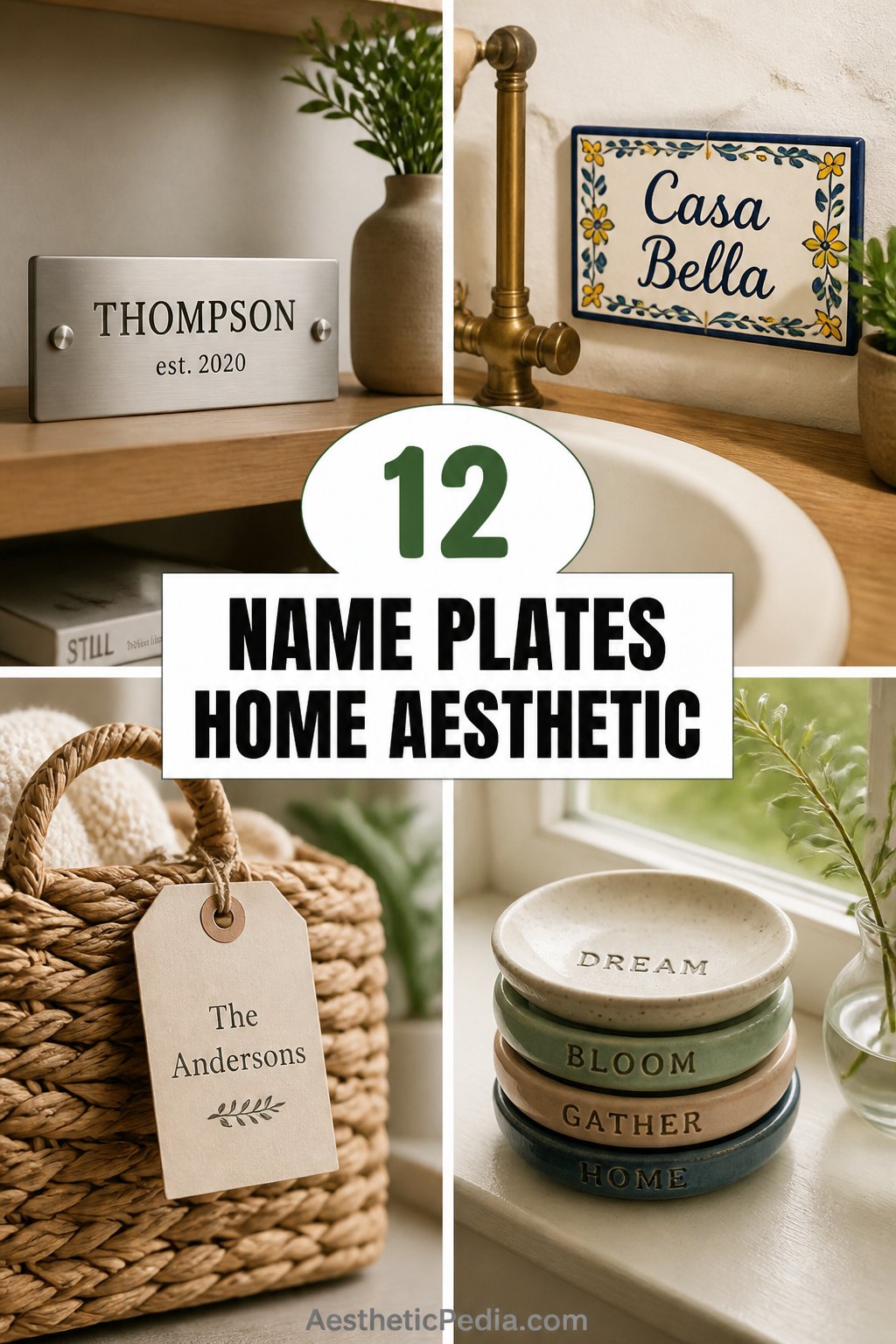
How do I choose the right size?
Consider the surface and surrounding objects – smaller frames and shelves usually need tiny plates while entry consoles can take larger statement pieces. Measure your space and visualize the plate next to existing items before committing.
Are DIY name plates durable?
They can be if you use the right materials and sealants, especially for wood and paper that might face humidity or sunlight. Always test a small patch of paint or finish first to make sure it won’t discolor.
Can I mix styles in one room?
Yes – mixing textures and styles makes a space feel curated instead of cataloged, just tie the mix together with a shared color or material to create cohesion. A little repetition goes a long way in making disparate pieces feel intentional.
Where should I place a name plate for biggest impact?
Think entryways, mantels, and floating shelves where the piece meets the eye at first glance; small dining nooks and bedside tables also make great spots. Placement at eye level or slightly below usually reads best and invites closer inspection.