Okay so you want to make a workspace that actually feels like yours – home study rooms diy is my new happy place and I get it, it’s personal.
I started collecting small ideas while squishing a desk into awkward corners and I want to save you from the trial-and-error I lived through.
Stay with me and you’ll get 25 easy, inexpensive setups and real tips to make a study nook you won’t dread using.
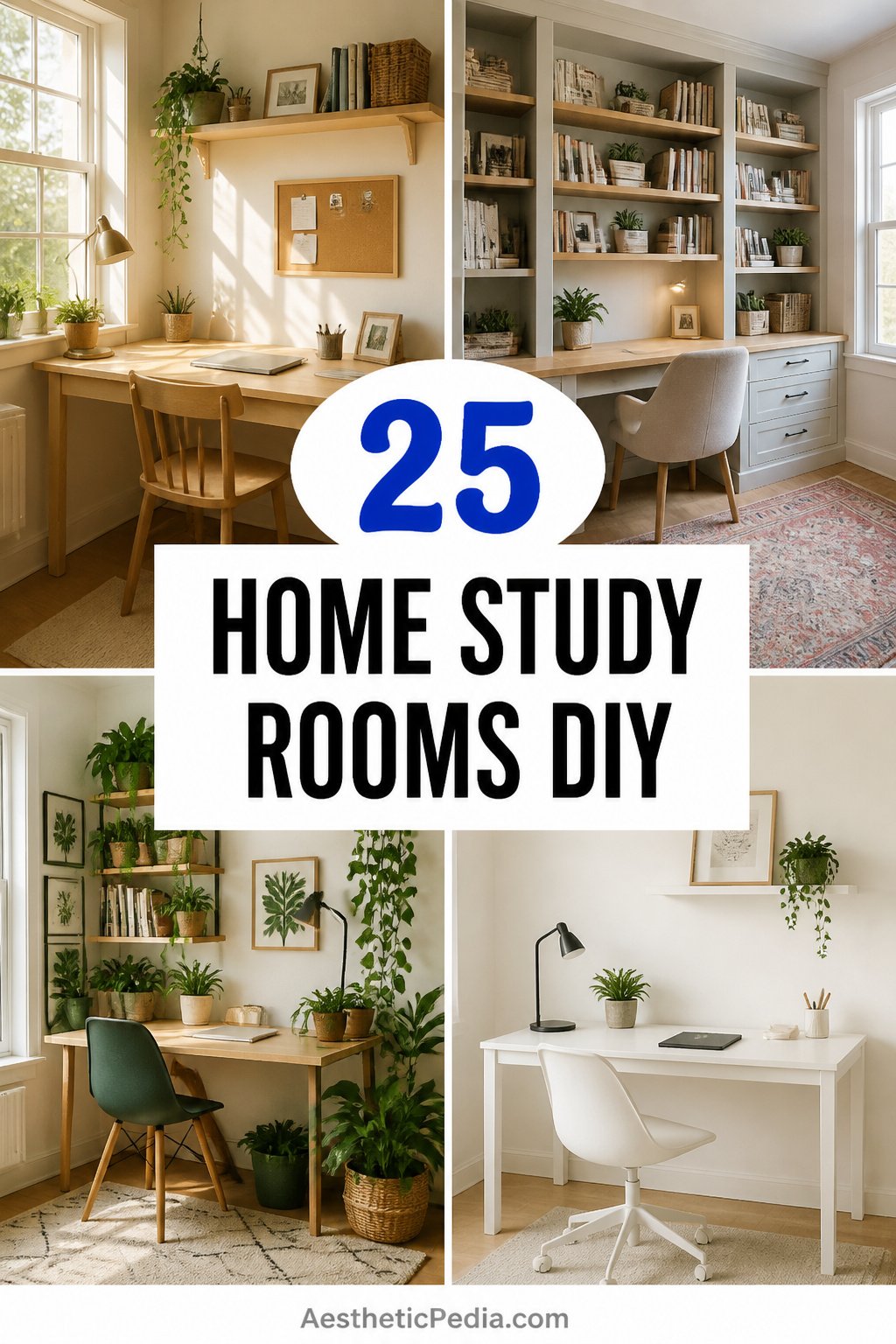
These 25 Home Study Rooms DIY Ideas Will Make Studying Fun
Window-Watching Wooden Desk
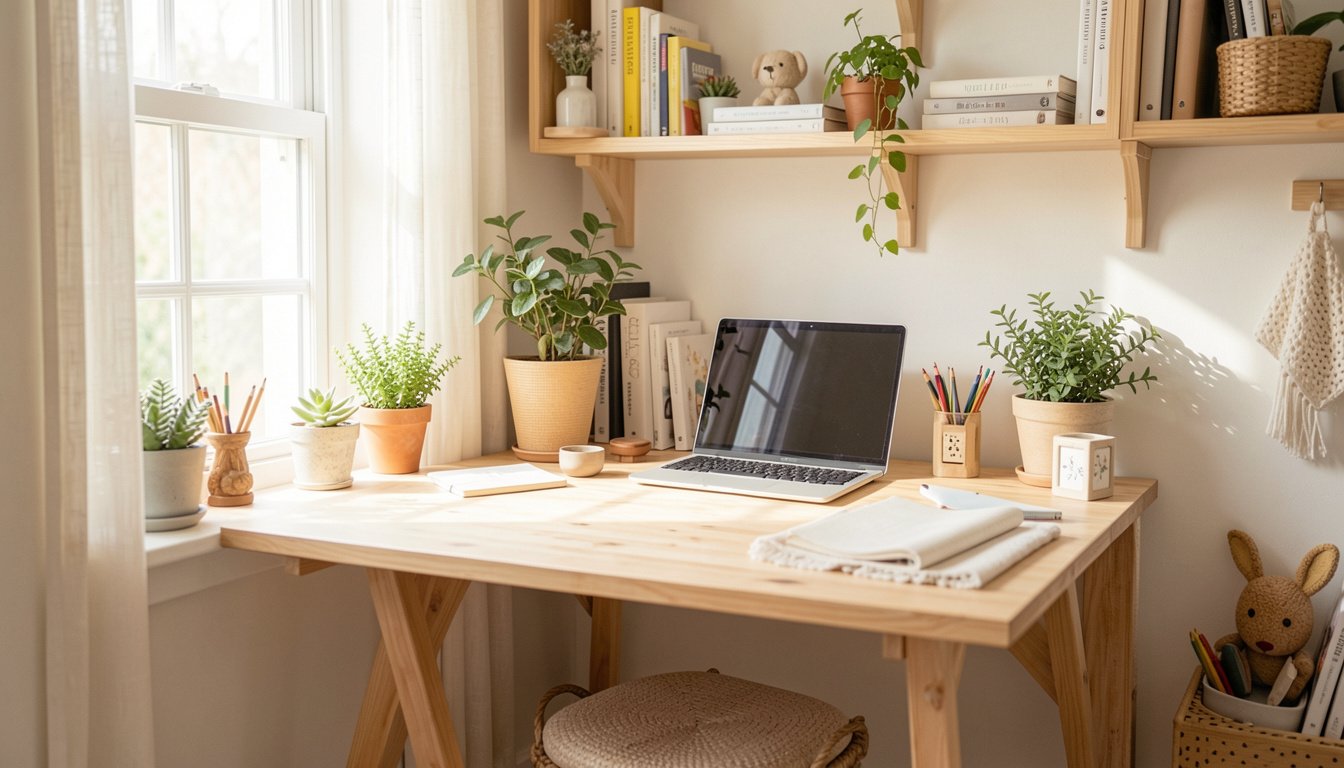
A slim wooden desk by a sunny window is the classic for a reason – the light wakes you up and the view keeps the brain calm during long sessions. I once turned a tiny corner into this exact setup with a thrifted desk and a lamp and it instantly felt like a dedicated study zone. Add a small tray for pens and a low-profile plant to keep clutter out of sight.
Bookshelf-Backed Laptop Station
Having a laptop on a desk in front of a full bookshelf makes the space feel intentional and resourceful – it also keeps references at your fingertips. You can use bookends to categorize supplies so grabbing a reference becomes instinct, not a hunt. I find a cozy chair makes hour-long sessions feel less like a chore.
Planty Corner Study
Greenery brightens a small desk area and balances the tech vibes – a potted plant on the shelf softens lines and boosts mood. When space is limited, floating shelves above the chair free up floor area while still allowing you to keep essentials nearby. Try low-maintenance plants like pothos if you forget to water often.
Casual Living Room Desk Spot
Placing a desk in a living room can feel daring, but it actually blends comfort with productivity when styled well. Keep the desk minimal and use baskets or closed storage to hide paperwork when guests come over. I learned that a small rug under the desk defines the area and helps me remember it’s work time.
Built-In Shelves Office Nook
Built-in shelving turns a plain wall into a study command center – shelves act like a gallery for books, supplies and inspiration. If you can’t afford built-ins, try tall bookcases anchored together for a similar feel. Lighting under the shelves creates a focused work glow without overwhelming the room.
Corner Desk With Lighting
A corner desk seems cozy and surprisingly spacious because it wraps around you – that layout also gives more wall space for calendars and moodboards. Add task lighting that directs onto your work area and you get clarity without harsh overhead glare. My favorite part is how private it feels, even in a busy home.
Minimal Laptop Workspace
Sometimes all you need is a clean white desk and a laptop to focus – minimalism removes decision fatigue so you can get to work faster. Keep only daily-use items on the surface and store extras away, then rotate decor seasonally to keep things fresh. I use a small box for chargers and it changed how tidy the desk looks overnight.
Wood Floor Study Charm
Wood flooring paired with open shelving gives a study a warm, grounded feeling – textures help the area feel intentional rather than thrown together. Try mixing wood tones with a subtle rug to avoid cold acoustics and improve comfort. If you like vintage finds, a secondhand desk can add character for little money.
Window-Forward Bookish Desk
Setting your desk in front of a window gives natural light and a mental break when you glance up – just be mindful of screen glare during midday. A sheer curtain filters brightness without removing that connection to the outside. I learned to angle my monitor slightly to keep visibility and still enjoy the view.
Duplicate Room Layouts
Seeing two angles of the same room shows how lighting and styling change perception – swap small decor pieces and the whole vibe shifts. If you love a layout, take photos from different sides before you change anything so you can return to what worked. This trick saved me a lot of redoing when I was redecorating last year.
Plants and Laptop Harmony
Combining plants with a white desk and laptop keeps the workspace bright and airy – the contrast makes tiny plants pop visually. Use shelves to stagger plant heights so nothing competes with your screen. I recommend a small watering schedule so you never overdo the green brigade.
Dual Desktop Photos
Before-and-after images of a desk show how small changes like a plant or lamp can completely refresh a study area. Try experimenting with both function and mood lighting to see what keeps you focused longer. A tiny trick I use is switching my desktop background seasonally to feel like a fresh start.
Simple Wooden Table Setup
A basic wooden table against a blank wall becomes a powerful work surface with the right accessories – think tray organizers and a single framed print. It’s inexpensive and incredibly adaptable to your needs as they change. I once used this exact setup for a month while renovating and it felt surprisingly professional.
Cabinetary Focus Zone
Using cabinets to flank a desk gives closed storage for clutter and open top space for decor – this combo looks polished and hides the chaos. If you have odd wall space, custom cabinets are a splurge that pays off in long-term peace of mind. Even simple IKEA units can be styled to look built-in with trim and paint.
High-Storage Living Room Ideas
When your living room doubles as a study, built-in storage or shelving above seating is a lifesaver for books and supplies. Keep baskets and boxes uniform to maintain the calm aesthetic; it makes cleaning up fast. Once I boxed up miscellaneous chargers and papers, the whole area felt less stressful.
Desk With Nearby Computer Cabinet
Positioning a computer desk next to a small cabinet or shelf is an efficient way to keep technology and accessories organized. A tidy cable management system under the desk reduces visual clutter and keeps your space calm. You can repurpose kitchen or media cabinets for this if you’re on a budget.
White Desk, Bright Accents
A white desk acts like a blank canvas so colorful accents stand out and keep the mood playful – try stationery in a single accent color to keep coherence. I like to change the accent seasonally, which makes the same desk feel new throughout the year. Keep a small drawer organizer to save time searching for essentials.
Window Sill Shelving Desk
Using a windowsill as shelving for books and supplies creates an integrated, cozy study with light from behind you – be careful with direct glare on screens. Try layering thin frames and small pots on the sill for charm without clutter. My study improved when I learned to keep only weekly-use books on the sill and store the rest away.
Mobile Cart For Supplies
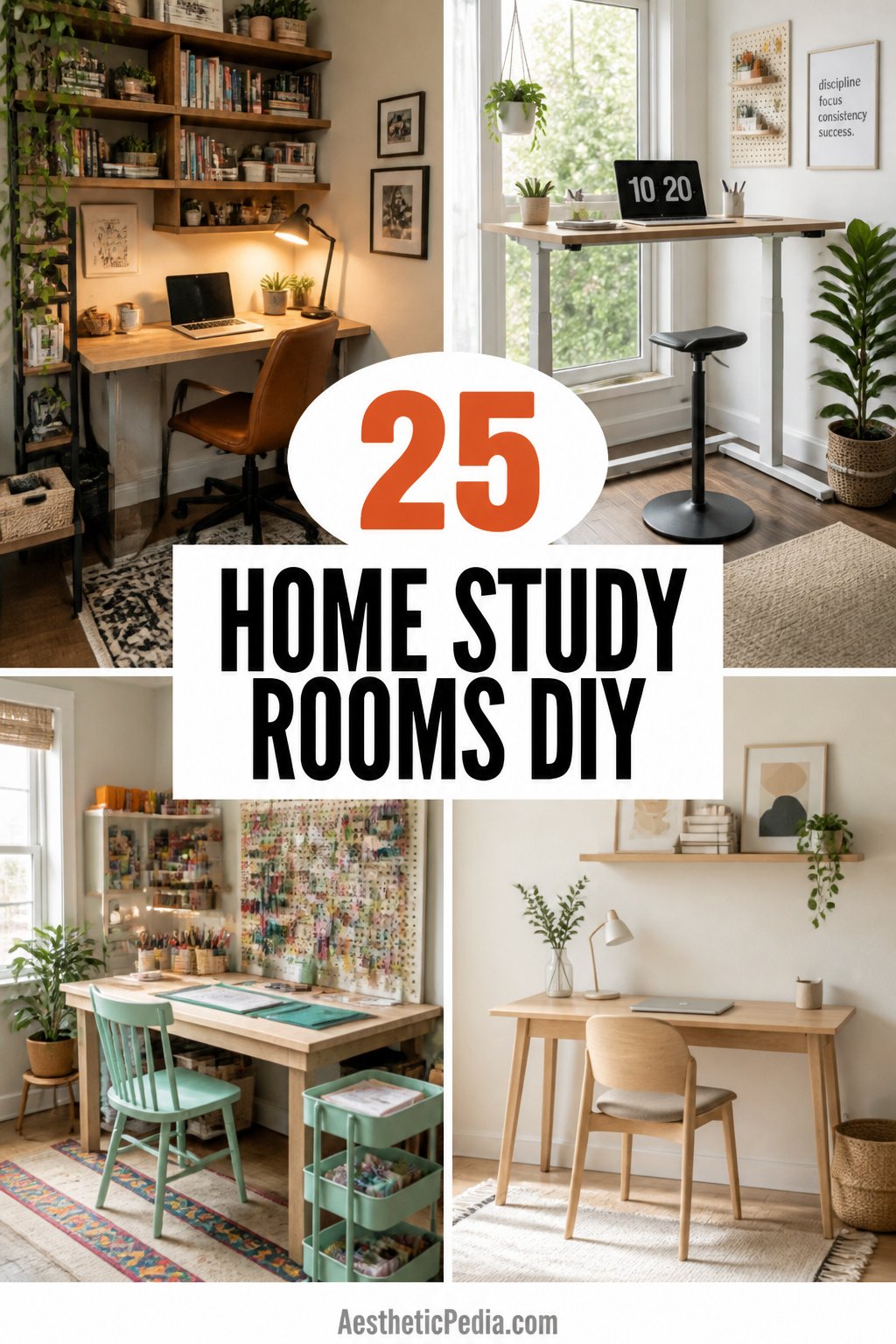
A rolling cart next to your desk is brilliant for flexible storage – move it, tuck it, and use it as a standing station if you need a break from sitting. Keep daily tools on the top shelf and less-used items below so you can change pace quickly. I love this approach for craft-heavy study days where tools shift dramatically.
Cozy Table With View
A small table with a window view can feel social and contemplative – the trick is to add a supportive chair so long sessions don’t hurt your back. Breaks become more inviting when you can stare out and reset for a minute. Once I swapped a soft chair for an ergonomic one and my afternoons stretched without pain.
Green Desk, Happy Vibes
A wooden desk topped with plants gives a productive, calming energy that keeps you anchored during study marathons. Try mixing textures – matte pots with glossy leaves – for visual interest that doesn’t distract. My notes somehow felt clearer when my desk looked intentional and cared-for.
Drawer-Ready Laptop Station
Laptop on a desk with a drawer full of pens and stickers is pure functional charm – the drawer hides the small clutter while keeping what you need within arm’s reach. Use small dividers inside the drawer to avoid digging for a highlighter. I keep a tiny notebook there for sudden ideas so I never lose a thought mid-study.
Corner TV and Desk Combo
Using the same room for media and study requires smart zoning so the TV doesn’t hijack focus – rugs, lighting and a focused desk lamp help define the work area. Consider a folding screen or curtain if you need more separation during peak study times. One evening I hung a fabric panel and it felt like a separate office instantly.
Shelved Study with Style
A room with shelves and a desk invites decorating and practical storage at once – use baskets to corral mess and keep the visible shelf items meaningful. Rotate your displays so the space stays inspiring instead of stagnant. When I curated my shelves by color, I found myself more excited to sit down and work.
Wall-Mounted Bookcase Desk
A white desk with a wall-mounted bookcase above it gives a studio-like, clean backdrop that makes concentration easier. Install soft under-shelf lighting and you’ll have both ambiance and task brightness when you need it. This setup is perfect if you’re aiming for a neat, modern study vibe with maximum storage.
How to Actually Make This Work For You
Start by choosing one anchor – a desk or shelf – then build storage and lighting around that piece so the room grows with your needs; test different chair heights and light positions to find what actually keeps you comfortable. Remember to schedule small weekly tidy sessions so the space stays usable and to mix functionality with a couple of items that spark joy so you actually want to sit down and study.
How do I pick the best spot for a study nook?
Look for natural light, a quiet corner and a place where you can set a dedicated desk so the space becomes a habit – even a small window ledge works if it’s consistent. Try the layout for a week and refine storage after you see how you actually use it.
What should I prioritize when on a budget?
Prioritize a comfortable chair and a clear, flat surface; thrift stores and DIY refinishing can give you a beautiful desk for much less. Use baskets and labels for inexpensive but effective organization.
How do I stop distractions when studying in a shared space?
Use visual cues like rugs, room dividers or a specific lamp to signal study time to others and yourself – earplugs or focus playlists help too. Agree on quiet hours with housemates if possible so everyone respects your dedicated blocks.
Which lighting is best for late-night study?
Layer a warm desk lamp for focused work with a dimmable overhead or floor lamp to avoid eye strain; cool, harsh lights make it harder to wind down. Keep a small lamp for note-taking and a softer lamp for reading to switch moods easily.