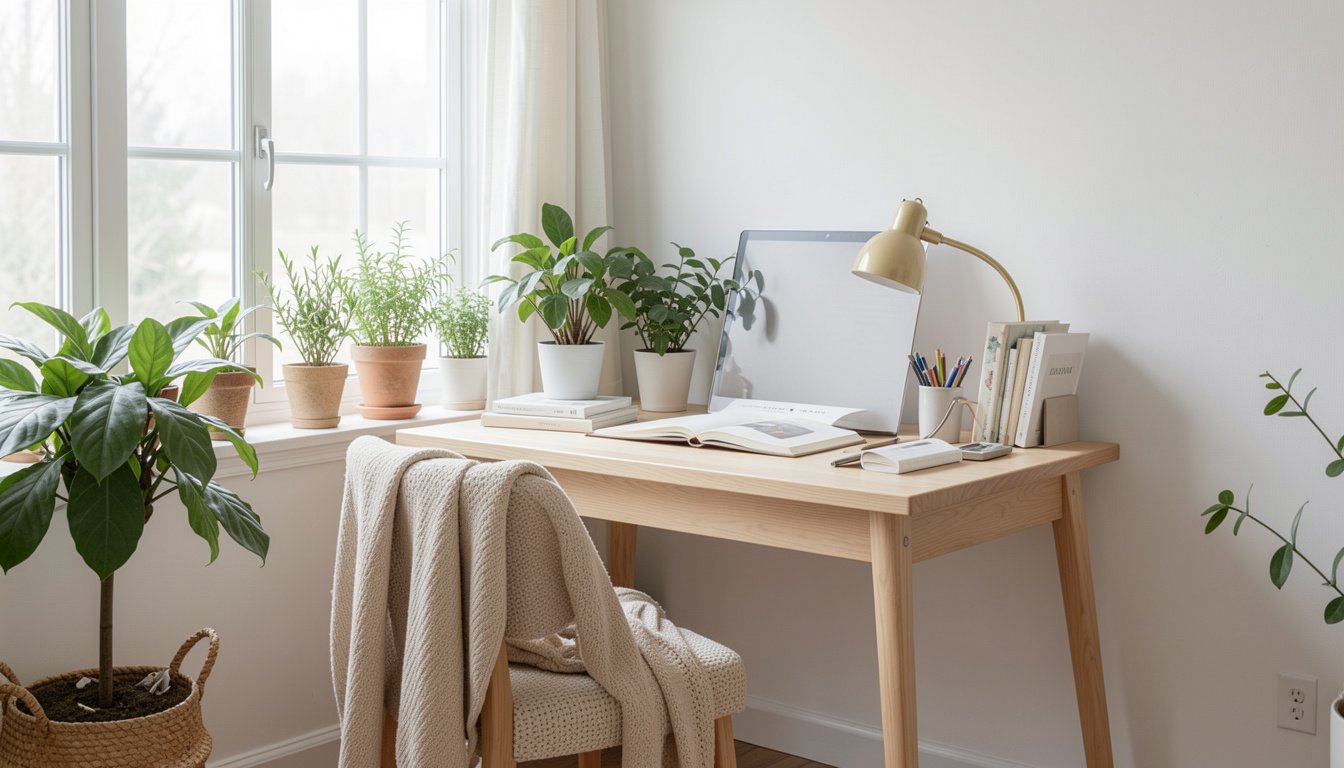
Okay friend, if you’ve been scrolling for hours you already know how much difference a thoughtful corner can make – home study rooms ideas are my current obsession and I can’t wait to share them.
I made this list because I kept saving pins and then forgetting what actually worked in real life, so I tested layouts, desk heights, and lighting until my tiny room felt like a productivity bubble. I genuinely want you to skip the mistakes I made and fall in love with your workspace faster.
You’ll find 25 practical, pretty home study rooms ideas you can try today, plus tiny swaps that make a big comfort difference.

These 25 Home Study Rooms Ideas Will Make You Rethink Your Space
Twin Desk Productivity Corner
Two desks side-by-side are perfect if you share a study space or need separate zones for laptop work and paper projects. I set this up for weekend planning sessions and it felt so grown-up – suddenly paperwork didn’t win. Try matching chairs to keep the look cohesive while letting each side reflect your personal style.
Cozy Bookshelf Backdrop
A desk tucked beside a bookshelf makes everything feel intentional and calm, and plants in the corner soften the lines. I love this layout because I can reach for a book without losing focus. If you want a lived-in vibe, mix hardcovers with decorative items and a woven basket for supplies.
Built-In Cabinet Desk Area
Built-in cabinets around your desk hide clutter and create a real command center for long study sessions. You can close everything away at the end of the day and the room instantly feels tidy. Personalize the open shelves with a few framed photos and a couple of favorite mugs.
Window Corner With Shelves
Sitting next to a window makes focus feel effortless because natural light keeps your energy steady. I once moved my desk two feet and the difference in afternoon mood was wild – sunlight really helps. Add lightweight curtains or a roller shade for glare control when spreadsheets cause a headache.
Greenery-Filled Study Nook
Plants add life and improve air quality while making the work area feel like a small oasis. I have a snake plant that survived my forgetful watering schedule and it brightens everything. Pick low-maintenance pots and group plants at varying heights for visual interest.
Classic Library Desk Setup
A desk facing a bookshelf full of books is timeless and comforting when you’re deep in research. I love the way it anchors a room and makes even short tasks feel purposeful. Consider a warm desk lamp to create a focused pool of light during late nights.
Minimal Monochrome Desk
Sticking to one color palette keeps visual noise low and helps you concentrate on the task at hand. You can layer textures instead of colors – a wool throw, matte lamp, and wooden desk all play nicely together. My go-to is soft grey and natural wood because it never feels fussy.
Simple Empty Room Transformation
An empty spare room becomes an incredible study with just a desk and a few shelves, so don’t overthink it. I converted our guest room corner one Saturday and it became my favorite place to write. Start with the essentials and add personality slowly instead of crowding the space day one.
Window-Lit Desk With Views
A desk in front of a large window gives you scenery during long hours and natural breaks to rest your eyes. If city lights distract you at night, add blackout curtains for sleepy evenings. I find that having a plant on the sill makes the whole setup feel curated and cozy.
Traditional Shelf & Desk Combo
This layout feels organized and scholarly, with open shelves keeping things within reach. You can use boxes and dividers to avoid the “visual laundry” effect that sometimes happens. For me, a corkboard above the desk saved time by keeping urgent notes visible.
Bright Desk Next To Window
Light-filled study rooms feel uplifting and help with motivation on slow days. I recommend positioning the desk so the light comes from the side to reduce screen glare. A slim shelf above the desk holds small plants and a few motivational postcards.
Window Seat Study Retreat
Combine a cozy window seat with a nearby desk and you instantly have a dual-purpose nook for reading and working. My best brainstorming sessions happened perched on a window cushion with a mug of tea. Keep a basket under the seat for blankets and cords to stay tidy.
Warm Wood Desk Area
Natural wood surfaces add warmth and a timeless feel to a study room, and they pair well with almost any color scheme. You can oil or wax a wooden desk for longevity and charm. I like to add a small brass lamp to bring just enough shine without being flashy.
Two-Desk Shared Workspace
Two desks facing the same wall are great if you need a partner in crime for projects or homeschooling. We set this up for weekend workshops and it made collaborative work feel natural. Encourage individuality by swapping chair cushions or desk mats to mark your side.
Plant-Adjacent Wooden Desk
A wooden desk with a potted plant nearby combines natural elements for a relaxed, focused vibe. I often reach for my ficus when I’m stuck on a paragraph – it’s oddly inspiring. Make sure plants don’t block vents or screens to keep both tidy and functional.
Cozy Book-Filled Workspace
Books surrounding your desk make every study session feel like you’re in a private library. I actually rearranged my collection by color once and loved the fresh look – it felt like a tiny makeover. Mix vertical and horizontal stacks to avoid a monotonous shelf line.
Dual Monitors By the Window
For heavy computer work, two monitors in front of a window balance productivity and natural light. Place blinds or an anti-glare screen to manage reflections. I built a simple cable tray to hide cords and it immediately made the desk feel calmer.
Cityscape Nighttime Desk
If you work late, a desk with a city view adds energy and a sense of scale to long hours. Nighttime lighting choices can be as important as daytime ones – I use a warm desk lamp to keep evenings cozy. Try fairy lights for a soft glow that won’t blind your screen.
Corner Bookcase Nook
Corner bookcases make the most of unused space and cradle a desk in an intimate, focused spot. I built mine around a thrifted desk and it instantly felt custom. Use a swivel chair so you can reach shelves without standing every couple of minutes.
Desk With Lamp and Plants
A classic lamp plus a plant is the simplest trick to make a study desk feel finished and functional. I rotate small plants seasonally to keep things interesting and reduce monotony. Choose a lamp with adjustable brightness for day-to-night flexibility.
Laptop-First Wood Desk
A pared-back wooden desk for your laptop is ideal when minimal distraction matters most. Keep a slim tray for chargers so everything has a place. I keep a notebook open beside the laptop to capture ideas that pop up mid-session.
Bedroom Study Corner
When space is tight, a desk in the bedroom corner can double as a vanity and study spot, just zone it visually. I once used a small rug to define my desk area and it helped my brain switch into work mode. Keep evening routines to separate sleep from study in the same room.
Sliding Door Light Desk
A desk near a sliding glass door brings in light and makes the room feel larger, which is perfect for creative work. I sometimes take conference calls with the door open and the sound of outside life is surprisingly grounding. Use rugs and curtains to soften echo if needed.
Cozy Corner With Plant
A small corner desk paired with a plant and a comfy chair becomes an immediate focus zone for short bursts of work. I keep a diffuser nearby for a subtle scent boost during deadlines. Rotate desk accessories monthly so the area continues to feel fresh.
How to Actually Make This Work For You
First, choose one focal change – better lighting, a supportive chair, or a dedicated shelf – and commit to it for a month so you can actually feel the difference, and then layer other tweaks slowly. Second, set small rituals like a five-minute tidy up before you start and a shutdown routine after you finish so the space signals work time and rest time. Third, personalize with two meaningful items only so the room feels like yours without becoming visually overwhelming.

How do I choose the right desk size?
Measure your available wall space and consider what you need on the surface – laptop, monitors, or books – then allow extra room for a lamp and a cup of tea. If you work with multiple screens, prioritize depth and width over decorative shelving.
Can I make a study nook in a small bedroom?
Yes – tuck a slim desk into a corner or under a window and use vertical storage to keep the floor clear. A simple rug can define the area so your brain separates work from rest even in one room.
What lighting is best for long study sessions?
Layer ambient light with a warm-toned desk lamp that has adjustable brightness to avoid eye strain and maintain a cozy atmosphere. Position the lamp to the side of your dominant hand to reduce screen glare and shadows on paper.
How do I keep my study room clutter-free?
Create a small daily tidying habit and use closed storage for supplies you don’t need every day, so surfaces stay clear and calming. A few organizers and a weekly reset go a long way toward keeping focus intact.