Okay, if you love tiny, calm spaces as much as I do, you are going to fall for these small japanese home ideas – they feel like a gentle breath of fresh air. I get so cozy just imagining sliding shoji doors, tatami mats, and little plant-filled corners that somehow make every inch feel intentional.
I put this list together because I lived in a tiny city studio for a year and learned how to make small spaces feel wildly elegant without spending a fortune – so many of these ideas come straight from trial and happy accidents. You might recognize a few setups if you’ve ever daydreamed about a quiet nook or a pared-back kitchen that still feels lived-in and loved.
Read on and you’ll get 15 real, easy-to-adopt ideas for styling a small japanese home with warmth, function, and that calm minimalism everyone envies.
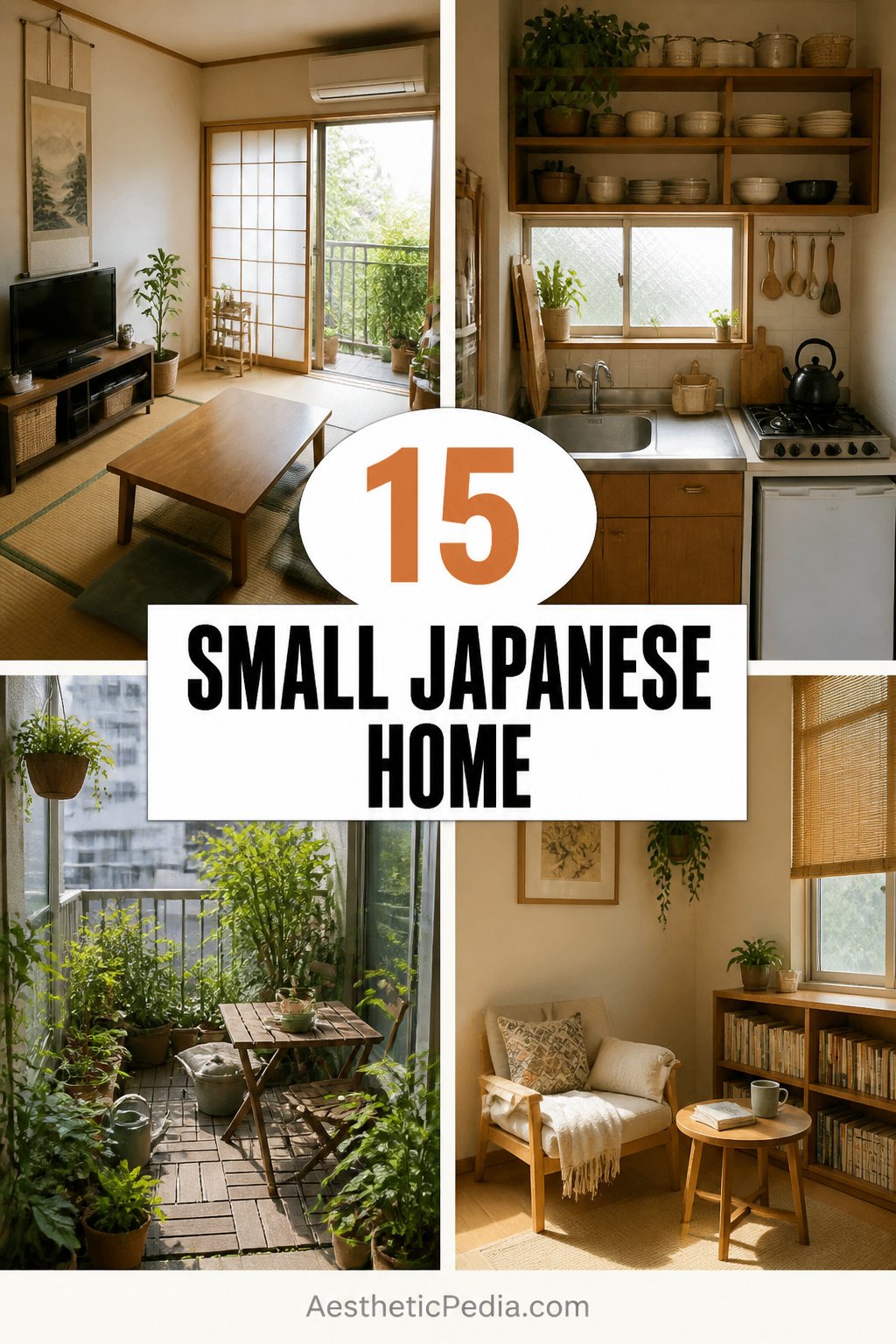
These 15 Small Japanese Home Ideas Will Make You Rethink Your Space
Plant-Forward Front Facade
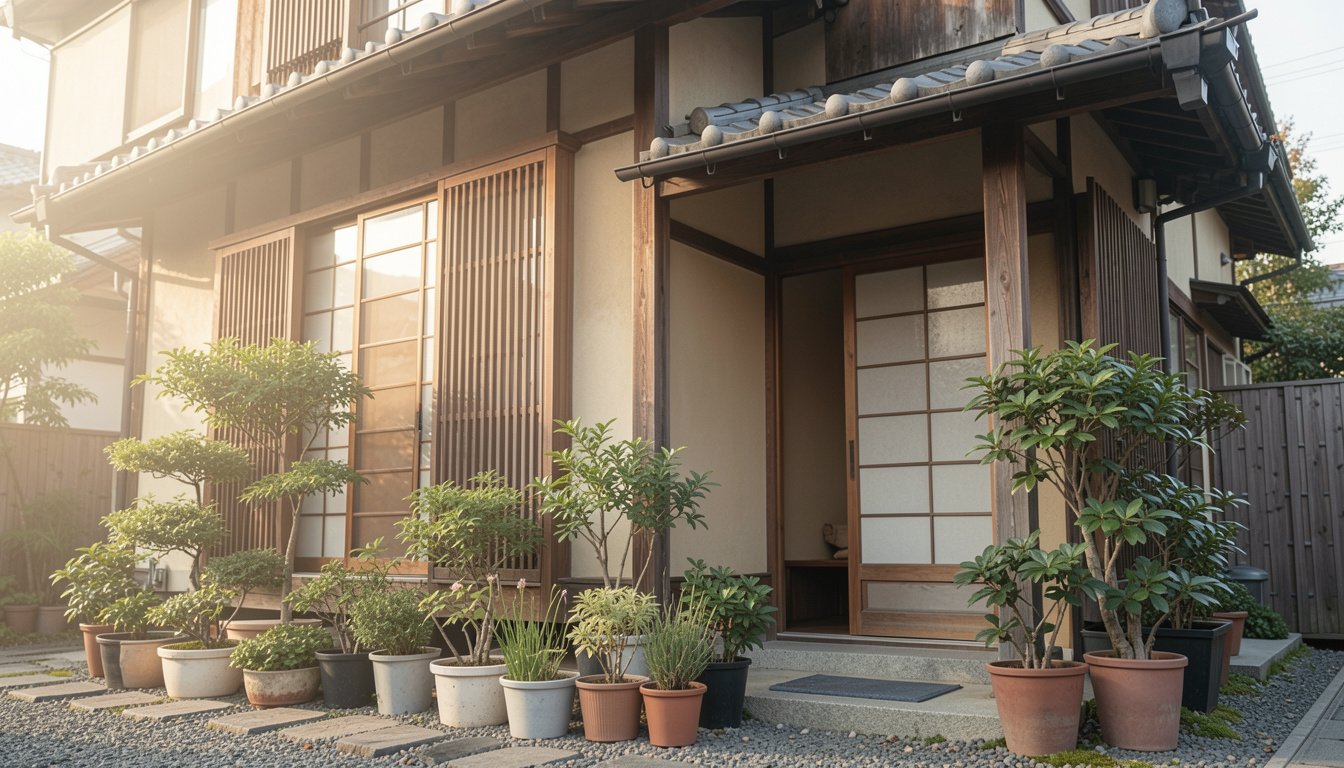
This little white facade with plants stacked along the windows shows how greenery instantly softens compact exteriors and makes arrival feel special. You can recreate that same welcoming rhythm at home by grouping potted plants at varying heights instead of scattering them, which makes a tiny porch feel curated and intentional. I did something similar on my own stoop and neighbors started complimenting the space within a week – it genuinely lifts day-to-day mood.
Warm Wooden Kitchen Shelves
Open shelves in light wood give a compact kitchen warmth without closing you in, and they invite you to display a few cherished ceramics instead of hiding everything behind doors. If you keep only what you use daily and swap seasonal pieces, the look stays calm rather than cluttered. When I moved into my tiny apartment, clearing out one cupboard and styling two shelves felt like a reset for the whole home.
Court-Side Swing Moment
Adding a single swing or suspended seat in a courtyard or balcony creates an instant focal point and invites slow, deliberate relaxation in a compact outdoor area. You don’t need a large yard to build something dreamy – a simple wooden plank, sturdy rope, and a comfy cushion is all it takes. I once installed a tiny hammock-style seat on my small balcony and it became my favorite place for morning tea and reading, even in drizzle.
Minimal Living Room Flow
A living room that centers on a few well-chosen pieces and a low-profile media unit keeps sightlines open and makes a small footprint feel roomy rather than crowded. Think low sofas, lean tables, and a single sculptural plant to anchor the space. When you remove visual noise, the room naturally reads as calm and intentional, and guests notice how peaceful the whole home feels.
Evening Staircase Glow
Staircases in compact Japanese homes often double as display space or pockets of storage, especially when softly lit at dusk with warm bulbs. You can emphasize natural materials like pale wood to reflect light and make narrow stairs feel airy rather than claustrophobic. I learned to love the way a single lamp at the top of stairs can change the vibe of an entire hallway into something quietly cinematic.
Mountain House Roots
Classic countryside Japanese houses remind us that compact living has always been about connection – to landscape, materials, and simple craftsmanship. Bringing wooden beams, stone accents, or even a curated bonsai can anchor a small home to that timeless feeling. You don’t need to renovate extensively; even a framed landscape print and a woven mat can hint at those mountain house roots and slow the tempo of your day.
Cozy Corner Sofa Setup
A small couch, a low coffee table, and a single potted plant form a perfect reading or tea corner in compact living rooms, offering enough function without overfurnishing. Positioning the sofa to face a window makes the room feel larger and invites natural light to become part of the decor. I still rave about the tiny loveseat I fitted into my studio – it felt luxurious precisely because everything else was pared back.
Green-Facade Apartments
Plants trailing down from window boxes on apartment facades create privacy and a soft, organic texture against practical urban architecture. If you’re renting, try lightweight planters and removable hooks to achieve the same layered look without damaging exterior walls. You’ll be amazed at how much softer your view becomes and how cooler the apartment can feel on hot days with some strategic greenery.
Staircase Minimalism
A simple wooden stair with white walls and clean lines reads modern and spacious when kept uncluttered, and it’s a small architectural detail that really elevates a compact home. Use the wall beside stairs for low-profile art or thin wall-mounted shelves so you don’t lose visual width. When I moved into a place with similar stairs, I left them almost bare and the whole apartment felt more gallery-like than cramped.
Outdoor-Connected Living
Large doors that open to a patio or garden effectively extend your living room and let fresh air become part of the daily rhythm in a small home. Aim for lightweight curtains and low thresholds to blur the line between inside and outside. You may find, as I did, that being able to step outside for a breath without leaving the room changes how often you actually enjoy the outdoors.
Tatami Simplicity
Tatami mats instantly add texture, warmth, and a flexible layout option – they work for sleeping, seating, and meditating in a single compact room. Consider layering a small rug or cushion to create zones and protect the tatami from wear in high-traffic spots. I once rearranged an entire weekend around these mats and felt like I’d added a peaceful micro-retreat to my apartment.
Sunlit Wood Panel Room
Wood paneling around a central window can create a warm cocoon that makes a small room feel both modern and snug, especially when paired with minimalist furnishings and a neutral palette. To avoid heaviness, keep trim and furnishings light and choose windows that flood the space with daylight. You’ll notice how much character wood grain adds without demanding extra square footage.
Quiet Entry Ritual
Designing a small entry with a wooden bench and neat shoe storage invites a calm ritual as you enter and exit, which is quintessentially Japanese in spirit and hugely practical for compact homes. Keep the area tidy with a tray for keys and a small wall hook for coats to reduce last-minute searches. I added a tiny bench in my hall and suddenly the entire morning felt more composed and simple.
Window-Bed Nook
Placing a bed snugly beneath a window creates a daily connection to light and sky while saving precious floor area for other functions like a small desk or shelf. Use thin bedding and a floating shelf beside the bed to keep the sleep area light and airy. I once slept in a window bed and the way morning light poured in felt like a built-in alarm clock I actually loved waking up to.
Floating Shelves Accent
Simple wall shelves arranged asymmetrically let you display books, ceramics, and small plants without sacrificing floor space or creating visual clutter. Rotate displays seasonally and keep to a restrained palette for an elegant, edited effect that reads calm and intentional. When I began limiting my shelf items to favorites only, the whole apartment felt more curated and restful.
Simple Sliding Screens
Sliding screens or shoji-style panels are perfect for dividing sleeping and living areas without the fuss of swinging doors, and they keep flow smooth in tight plans. Light filtering through rice paper or frosted glass creates a soft glow that feels soothing at night. If you’re renting, consider fabric panels on a track to mimic this effect while staying removable.
Curated Nook Storage
Intentionally curated storage that doubles as decor helps tiny homes breathe; a few baskets, neatly stacked ceramics, and closed drawers keep chaos at bay. Opt for multi-use furniture whenever possible so every piece earns its place. I still remember the relief of swapping a bulky cabinet for a shallow shelf-and-basket system – the flat surfaces stayed calm and my stress levels dropped.
How to Actually Make This Work For You
Start by measuring carefully and committing to edit heavily – keep only items that are beautiful and used regularly, and think in layers rather than piles, which makes a small japanese home feel spacious and intentional. Embrace multifunctional pieces and light, natural materials to reflect daylight and create a quiet, welcoming flow from room to room.
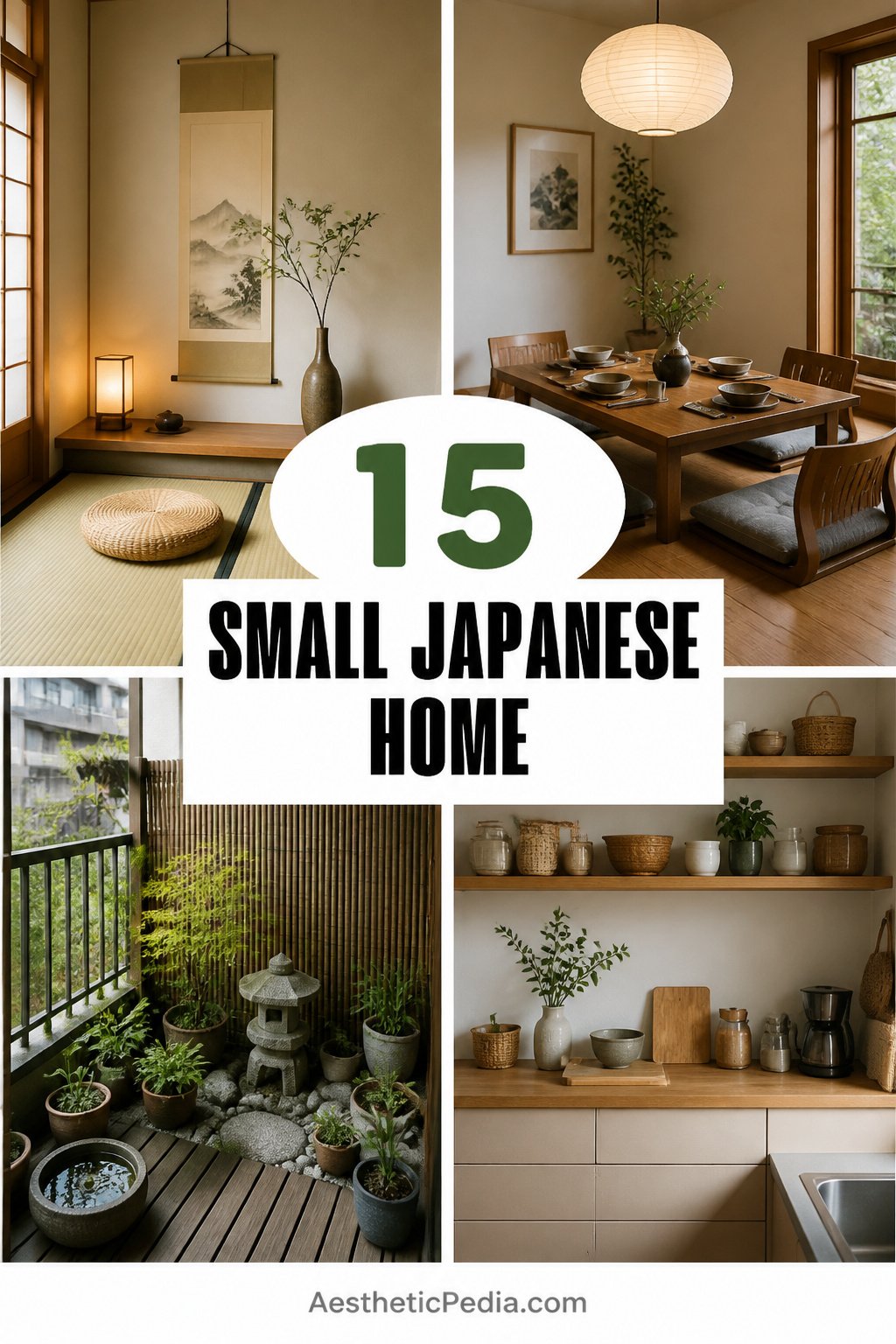
How do I make a small space feel larger?
Use light colors, low-profile furniture, and clear sightlines to visually expand a room; mirrors and natural light amplify this effect, and plants add depth without weighing a space down. Editing down possessions and choosing multifunctional pieces will instantly make the footprint feel more generous.
Are tatami mats practical in modern homes?
Tatami mats are practical and versatile for sleeping, seating, and calming the room’s acoustics, though they need occasional airing and gentle care to last. They work well layered with rugs or cushions to protect them and create zones in a compact home.
Can I achieve this look in a rental?
Absolutely – focus on removable upgrades like lightweight shelving, sliding fabric panels, hook-mounted planters, and portable lighting to create a Japanese-inspired feel without permanent changes. These small tweaks are easy to install and remove when you move.
What are the best plants for small Japanese homes?
Choose compact plants like ficus, pothos, small maples, or bonsai to maintain scale and keep humidity balanced; vertical planters and window boxes work great to add green without stealing floor space. Rotate plants seasonally to keep growth manageable and the look fresh.