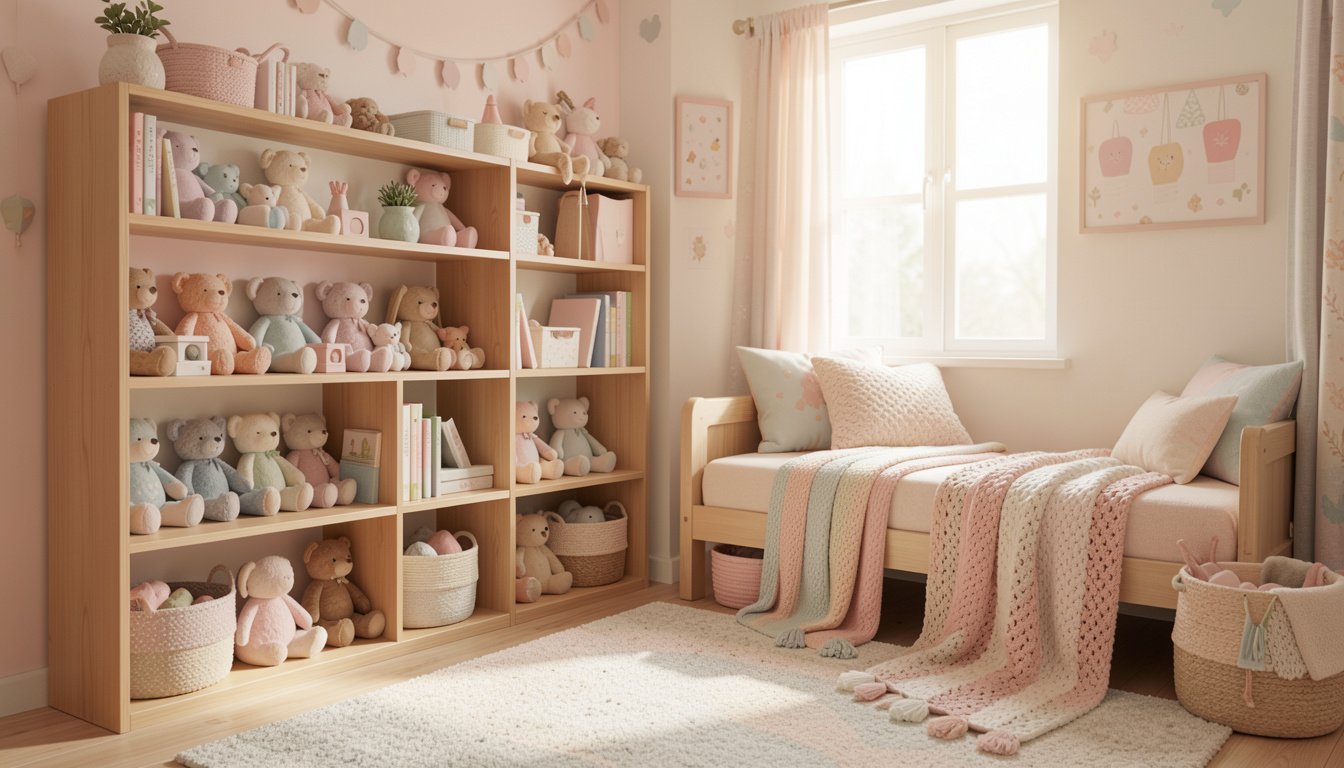
Okay bestie, you know how tiny rooms can feel like a puzzle – that’s why small toddler room decor has become my favorite little design challenge. I love squeezing big personality into a tiny footprint so it still feels playful and workable for a busy toddler.
I put this list together because I once turned a closet-sized space into a daytime play haven for my nephew and he refused to nap anywhere else – true story. I want to save you the trial and error I went through, from confusing storage to paint that looked good but drove me crazy in low light.
Read on and you will get fifteen practical, pretty ideas that are budget-friendly and actually livable – plus little tips I learned the hard way.
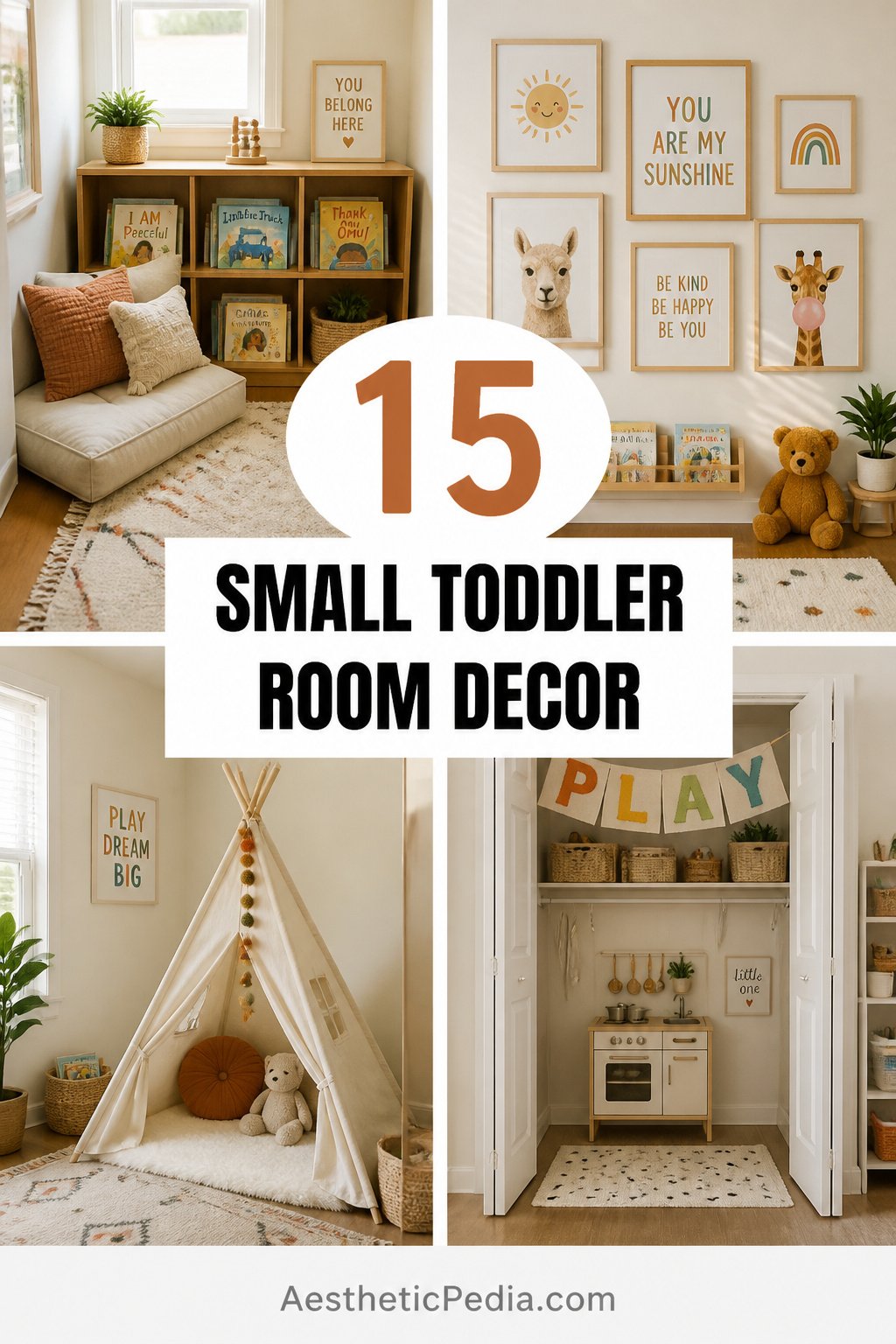
These 15 Small Toddler Room Decor Ideas Will Inspire Your Small Toddler Room Decor
Low Shelves for Little Hands
Low shelves are the backbone of toddler independence – arrange books and a few favorite toys within reach so your kiddo can practice picking and returning items. When I installed a shallow unit at my nephew’s level, his appetite for reading exploded and the constant “where’s my truck?” calls dropped dramatically. Try baskets on the lower shelf for round toys and label them with simple icons so you both know where things go.
Gallery Wall That Grows
A framed gallery wall feels grown-up but actually scales perfectly in a small room because it uses vertical space instead of floor real estate. Start with two to three pieces and add art as your toddler’s interests evolve; I swap pieces in and out seasonally so the wall stays fresh. Keep frames light and thin to avoid visual clutter and mix in a small shelf for 3D treasures.
Soft Textiles and Layers
Layering rugs, cushions, and a throw gives a small room instant warmth and defines play zones without permanent changes. I learned the hard way that a single big rug can overwhelm – instead use a soft rug under a play mat and smaller washable cushions around for comfy floor time. Choose textures that can be machine washed and don’t be afraid of a little pattern to disguise inevitable spills.
Wall-Mounted Storage Solutions
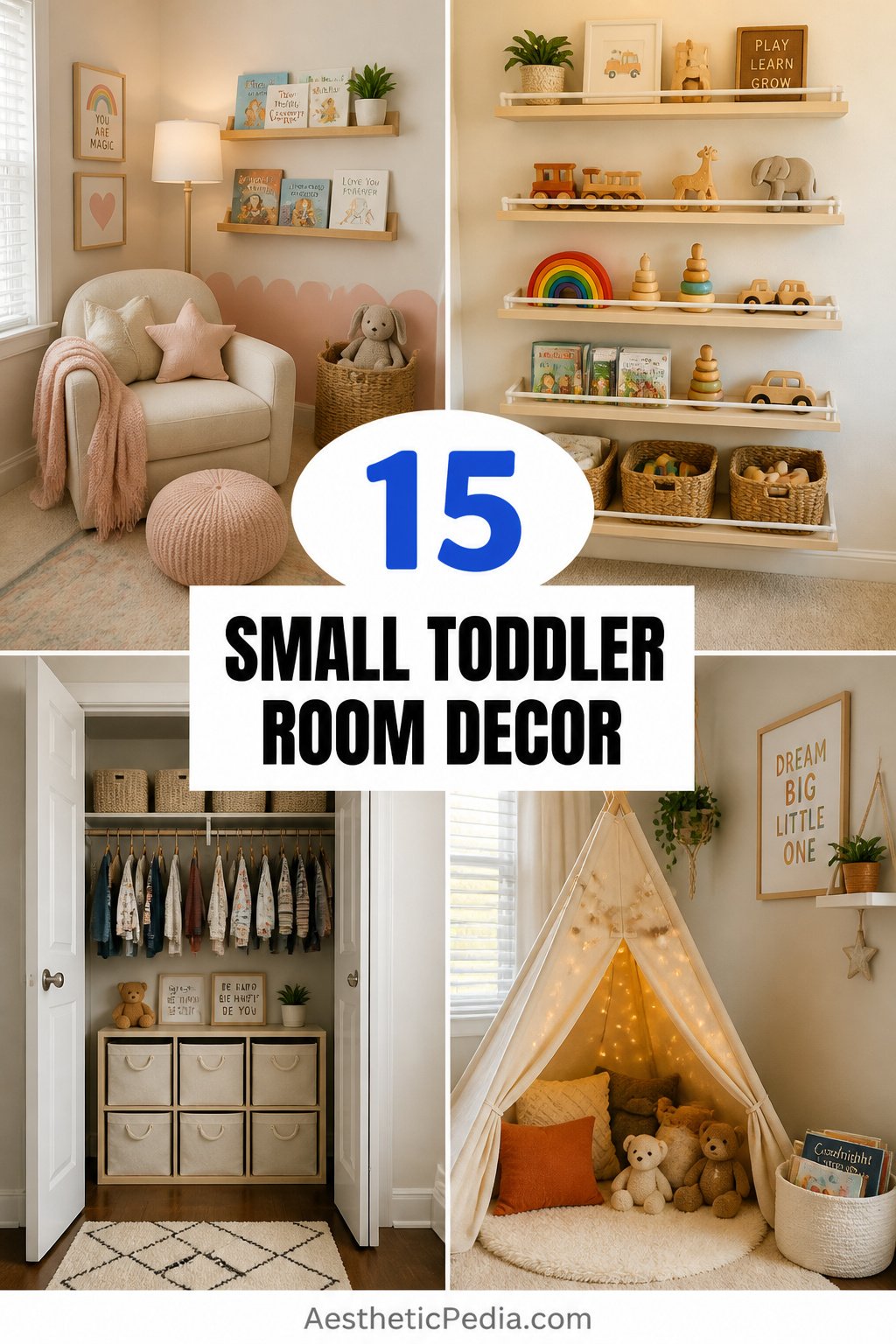
Floating shelves and wall cubbies free up floor space and create visual openness, which is gold in a small toddler room. You can place open cubbies at toddler height for toys and closed boxes up high for grown-up storage; when I installed wall baskets in my sister’s apartment, the floor cleared up instantly. Make sure items on lower shelves are heavy-duty and rounded so little hands are safe exploring.
Keep It Cozy with Rugs
A small, durable rug anchors the room and creates a defined play area without furniture barriers – pick an easy-clean fiber like cotton flatweave. In cold months, a plush washable rug layer makes morning play much nicer and encourages independent floor play. Rotate rugs occasionally so one area doesn’t wear out faster than the rest of the floor.
Pastel Built-In Shelving
Soft pastel built-ins feel calm and look custom without a big renovation – paint a shallow built-in to blend with the wall and you gain storage that reads as part of the room. I painted a skinny book nook a muted peach and it totally brightened the space while keeping things organized. Use consistent bins to reduce visual chaos and label with pictures so toddlers can help tidy up.
Play Teepee Corner
A small teepee or tent creates a cozy hideaway that doesn’t take up much square footage and instantly feels special to a child. My niece declared her teepee the “library” and suddenly quiet time was easier – the novelty works wonders for independent play. Keep it minimal inside with a few books and a soft pillow so it’s comfortable but not cluttered.
Bed Nooks and Shelves
Adding low shelves above a toddler bed gives storage and keeps favorite items within reach while freeing up floor space for play. You can stagger shelves to create a small display that doubles as a bedtime story library; honestly, seeing the books arranged on the shelf makes nighttime reading easier for both of you. Opt for rounded corners and secure anchors to the wall so nothing wobbles during the wiggles.
Creative Chalkboard Corner
A chalkboard wall or panel encourages creativity and is easy to refresh – it’s a washable marker-free zone of expression for tiny hands. Place it near a little art shelf stocked with chalk and cloth rags, and you have an instantly engaging area. I limit chalk access to the corner and noticed my floors stay cleaner when art is contained in one spot.
Tents and Reading Nooks
Create a dedicated reading nook using a small tent, floor cushions, and soft task lighting to invite calm play at the edge of the room. A tiny lamp with a warm bulb makes the nook feel magical and encourages longer, quieter play sessions. Rotate the books in the nook to keep choices exciting and manageable for a toddler’s attention span.
Stuffed Animal Display
Display stuffed animals in a hammock, shelf, or cubby instead of scattering them across the floor – it’s decorative and practical. When each favorite has a dedicated spot you’ll find mornings are less frantic and bedtime routines smoother. Choose breathable textile storage so soft toys stay fresh and easy to move during laundry day.
Green and White Calm
A palette of green and white reads serene and makes a small room feel larger thanks to the airy color balance. Use pops of sage and soft mint in textiles, then anchor the look with white trim and furniture for brightness. Plants that are non-toxic and placed out of reach add life without taking floor space, and they also teach kids about caring for living things.
Bookshelf Essentials
Stock a low bookshelf with a rotating curated selection of board books and a few tactile toys to keep choices simple and inviting. I learned to swap out half the shelf every few weeks to reintroduce forgotten favorites and spark renewed interest. Keep spines facing out for some titles and covers out for picture books – this mix encourages both recognition and discovery.
Mini Shoe Rack Hack
A slim shoe rack repurposed for tiny shoes, soft baskets, or toy pairs is a hallway-friendly storage hack that keeps clutter corralled. We used a shoe rack for little shoes and it saved our mornings because everything had a place and was visible at a glance. If you mount the rack low it doubles as a practical display and helps teach matching skills during clean-up.
Closet Organization Magic
Turn a small closet into a multifunctional space with adjustable rods, labeled baskets, and a low shelf for shoes and toys – it’s like adding secret extra square footage. I reorganized a cramped closet into a tidy wardrobe and play area and the whole room felt instantly bigger. Clear bins on the upper shelf keep seasonal items tidy while the toddler-level baskets make grabbing an outfit a team effort.
How to Actually Make This Work For You
Focus on one small change at a time – pick either storage, a rug, or a cozy corner and commit to it for a month to see how your toddler responds, then adjust as needed. Keep safety and accessibility at the top of your list while balancing aesthetics so you both like spending time in the room, and remember that flexible pieces that can be repurposed later save money. Finally, involve your child in small decisions like which bin goes where so they feel ownership and learn to help with tidying.
How do I choose safe materials for a toddler room?
Opt for non-toxic paints, washable textiles, and furniture with rounded corners; check labels for low-VOC and machine-wash recommendations. Natural fibers and breathable storage reduce allergens and make cleanup easier for busy parents.
What storage solutions work best in tiny rooms?
Use vertical shelves, under-bed bins, and wall baskets to maximize space while keeping the floor clear for play. Tailor storage to your child’s routines so daily items are easily reachable and rarely used things stay out of sight.
How can I make a small room feel larger?
Keep a light color palette, use mirrors sparingly, and choose furniture with exposed legs to maintain sightlines and openness. Defined zones with rugs or wall color help the space feel organized rather than cramped.
What budget-friendly decor tricks actually make a difference?
Swap out art seasonally, use removable wallpaper or decals, and repurpose baskets or thrifted shelving for instant impact. Small changes like consistent storage bins and a washable rug often change the whole vibe without a big spend.